+86 29 8881 0979

default

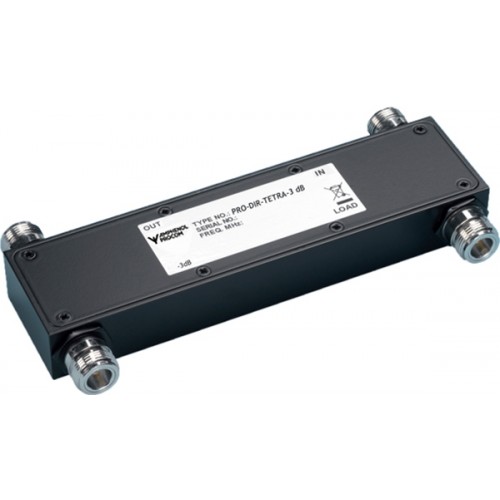
Antenna Power Divider Guide | 6 Uses Explained

An antenna power divider splits RF signals evenly or unevenly across multiple outputs, crucial for applications like multi-antenna systems, signal distribution, and phased arrays. For instance, a 2-way Wilkinson divider offers 3 dB power loss per port with 20 dB isolation. In cellular networks, 4-way dividers distribute signals to sector antennas with <1.5 dB insertion […]

Antenna Power Divider Guide | 6 Uses Explained Read More »
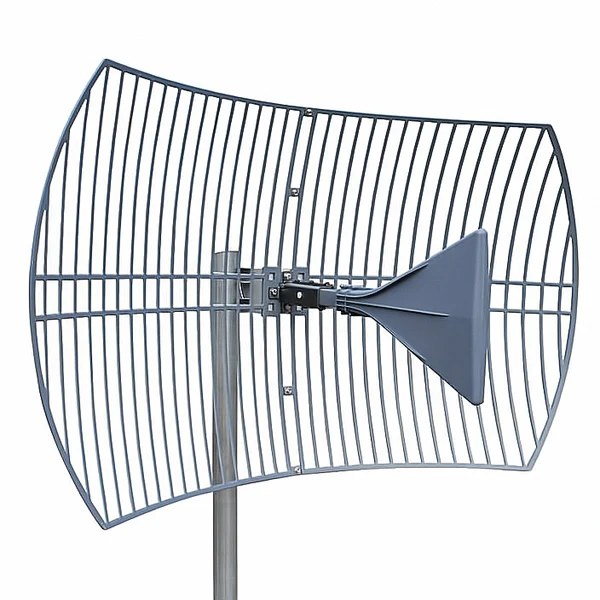
How to Choose High Gain Antenna | 4 Factors

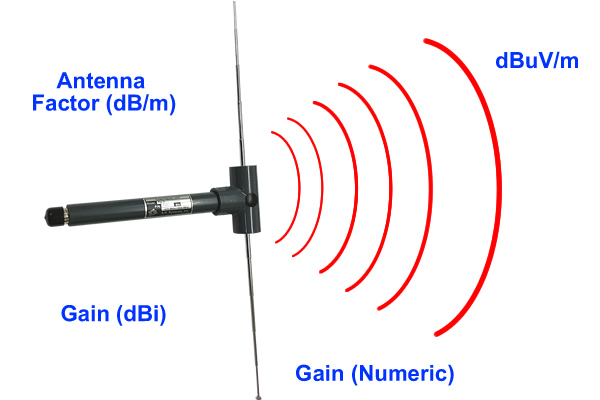
​​Selecting a high-gain antenna requires evaluating four key factors: frequency range (e.g., 2.4GHz or 5GHz for Wi-Fi), gain rating (15-20dBi for long-range), radiation pattern (omnidirectional vs directional), and impedance matching (50Ω standard). For optimal performance, ensure proper alignment (within ±5° of target) and elevation (minimum 3m clearance). Outdoor models should have IP65+ waterproofing, while grid/parabolic

How to Choose High Gain Antenna | 4 Factors Read More »

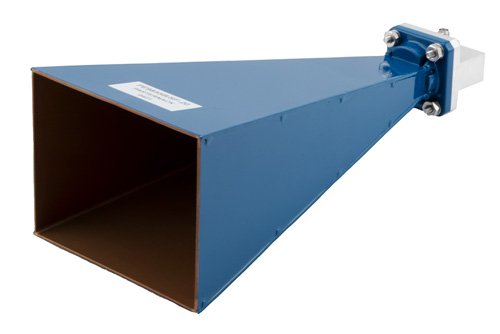
High Gain Horn Antenna Performance | 7 Metrics

High gain horn antennas excel in performance with key metrics: gain (15-25 dBi), frequency range (1-40 GHz), and VSWR (<1.5:1). They achieve 90% radiation efficiency and 30 dB front-to-back ratio, minimizing sidelobes. Beamwidth narrows to 10°–30°, enhancing directivity. To optimize, align the feed precisely (λ/4 offset), use smooth waveguide transitions, and ensure impedance matching (50Ω).

High Gain Horn Antenna Performance | 7 Metrics Read More »

Setting Up Antenna Controller in 4 Easy Steps

To install an antenna controller, first ​​mount the unit within 3 ft of the antenna​​ using waterproof housing if outdoors. Next, ​​connect the control cables (typically RJ45 or RS-232)​​ and power supply (12V/24V DC). Then, ​​calibrate the azimuth/elevation limits​​ via the controller’s software (e.g., 0°–360° azimuth, 5°–90° elevation). Finally, ​​test alignment with a signal meter​​,

Setting Up Antenna Controller in 4 Easy Steps Read More »

Antenna Couplers Explained | 3 Core Benefits

Antenna couplers​​ dynamically match your radio’s impedance (typically ​​50Ω​​) to an antenna’s fluctuating impedance—preventing up to ​​70% power waste​​ as heat or reflected energy. For example, a naval HF radio transmitting 1kW into a mismatched whip antenna without a coupler might radiate only ​​300W​​, losing ​​700W​​ to inefficiency. Couplers like the ​​Rohde & Schwarz QTL1810​​

Antenna Couplers Explained | 3 Core Benefits Read More »

Optimizing Antenna Feeder System with 5 Pro Tips

A poorly optimized feeder system can waste up to ​​30% of transmitted power​​ due to mismatches and losses. Start by ​​keeping VSWR below 1.5:1​​—every 0.1 increase adds ​​1-2% loss​​. Use ​​low-loss cables (e.g., LDF4-50A)​​ over standard RG-213 to cut attenuation by ​​50% at 2GHz​​. Proper ​​connector torque (e.g., 25 in-lb for N-type)​​ prevents moisture ingress,

Optimizing Antenna Feeder System with 5 Pro Tips Read More »

Passive vs Active Antennas: 4 Crucial Differences

Passive antennas, which rely solely on external signal strength, typically deliver gains between 2 dBi and 10 dBi, making them ideal for short-range, low-interference environments. Active antennas, on the other hand, integrate built-in amplifiers (LNAs) to boost weak signals, offering gains up to 30 dBi or higher—critical for long-range or high-noise scenarios like satellite comms

Passive vs Active Antennas: 4 Crucial Differences Read More »

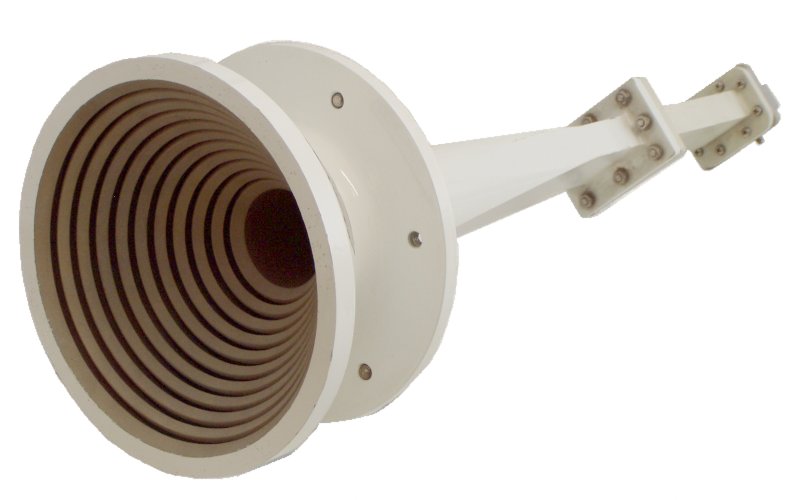
What is Antenna Feedhorn | 3 Key Applications

​An antenna feedhorn is a crucial component in RF and microwave systems, directing signals between the antenna and receiver/transmitter. Used in 80% of satellite dishes and radar systems, feedhorns ensure minimal signal loss (typically <0.5 dB) and optimal frequency targeting. This article explores its design and three key applications—satellite communication, radar, and radio astronomy—with practical

What is Antenna Feedhorn | 3 Key Applications Read More »

Waveguide Suppliers Comparison | 5 Essential Metrics

Five key indicators for comparing waveguide suppliers: 1) frequency range (such as 26.5–40 GHz); 2) insertion loss (≤0.2 dB/m); 3) standing wave ratio (VSWR≤1.2); 4) material (such as aluminum alloy 6061-T6); 5) delivery cycle (≤4 weeks). Pricing Transparency During APSTAR-7 satellite commissioning last year, an 83% sudden price hike for Ku-band waveguides delayed ground station

Waveguide Suppliers Comparison | 5 Essential Metrics Read More »

Scroll to Top
Blank Form (#3)