+86 29 8881 0979

default

How to choose Waveguide Systems | 5 factors guide

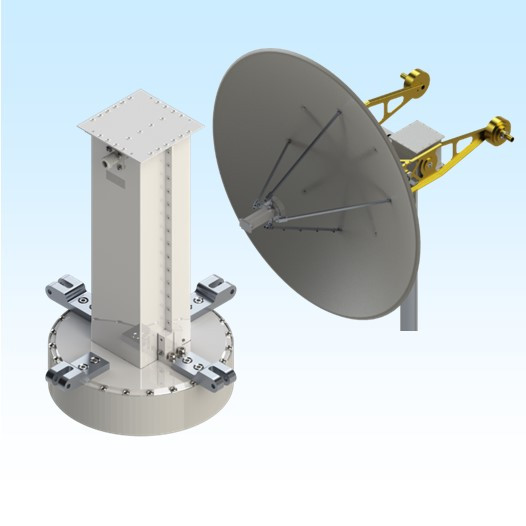
Selecting the right waveguide system requires careful consideration of frequency range, power handling, material, and application needs. For instance, WR-90 waveguides operate at 8.2–12.4 GHz, ideal for X-band radar, while WR-112 suits 7.05–10 GHz for lower frequencies. Power handling depends on material; copper waveguides tolerate up to 1 kW, whereas aluminum handles 500 W. For […]

How to choose Waveguide Systems | 5 factors guide Read More »
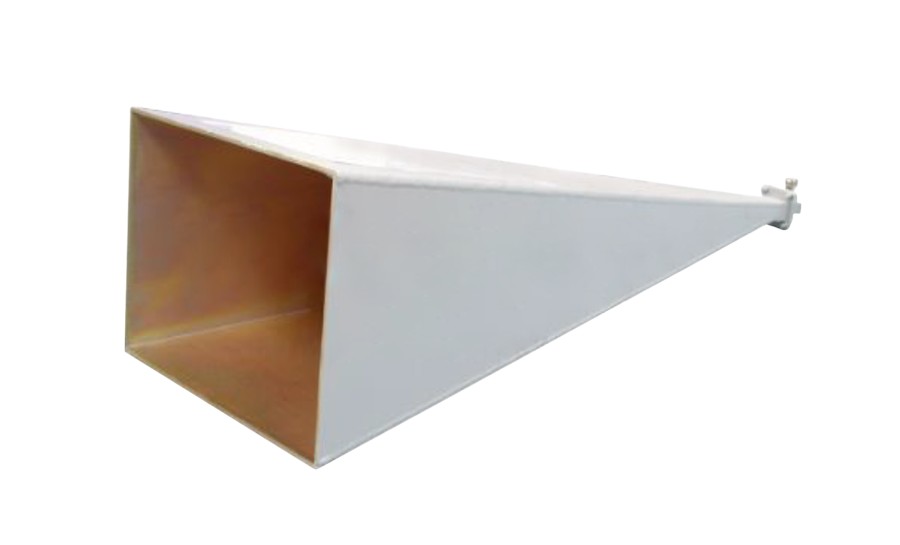
High Gain Horn Antenna selection | 5 buying criteria

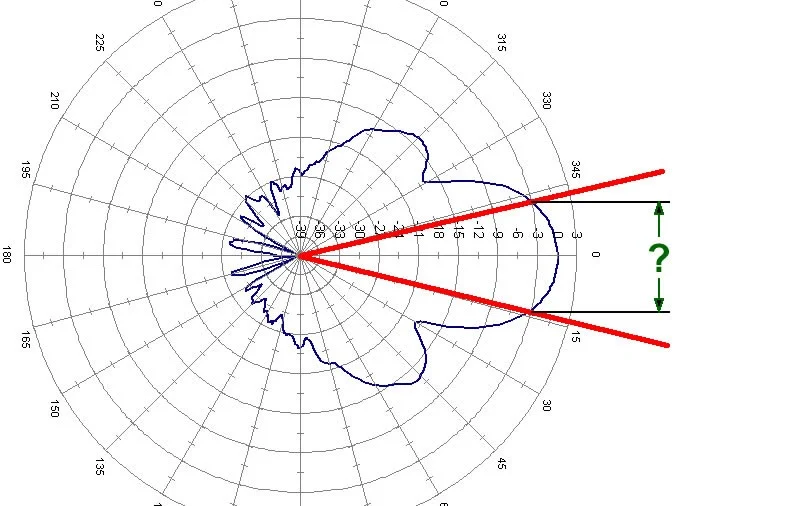
When selecting a ​​high-gain horn antenna​​, prioritize ​​frequency range​​ (e.g., 2-18 GHz for radar applications), ​​gain​​ (15-25 dBi for long-range signals), and ​​beamwidth​​ (narrower than 30° for focused coverage). Ensure ​​VSWR​​ is below 1.5:1 for minimal signal loss and check ​​durability​​ (IP67-rated for harsh environments). Opt for ​​lightweight aluminum​​ (under 5 lbs) for easy mounting.

High Gain Horn Antenna selection | 5 buying criteria Read More »

Installing Satellite Indoor Antenna | 3 easy steps

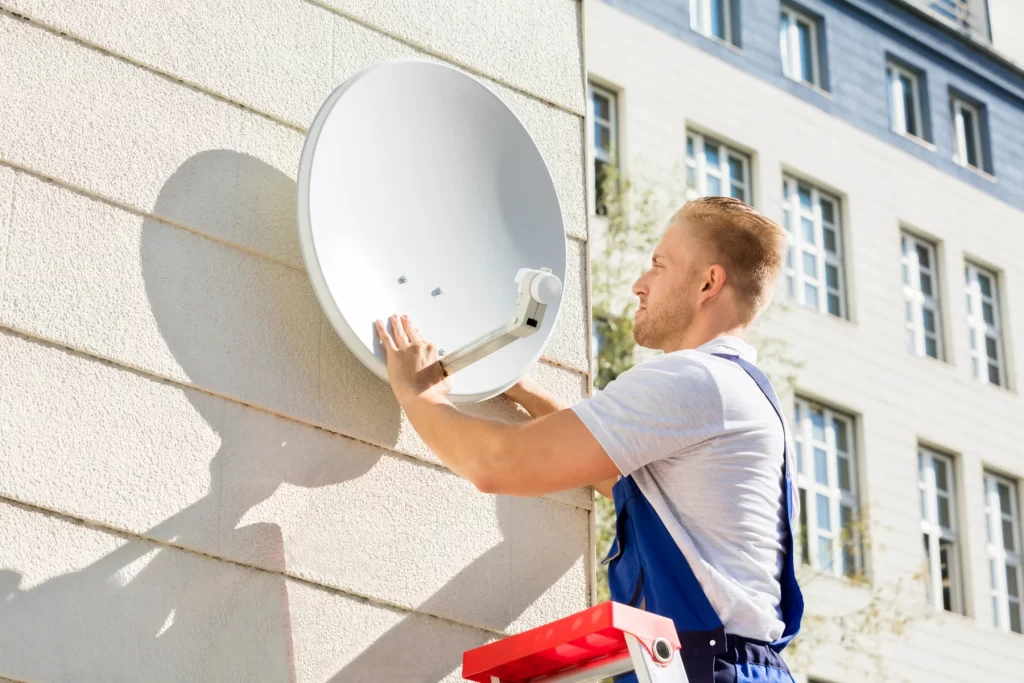
First, choose a location near a window facing the satellite’s direction (typically south for most regions) to ensure strong signal reception. Next, connect the antenna’s coaxial cable to your TV’s satellite input port securely. Finally, power on the TV and run an automatic channel scan—this takes about 2–5 minutes—to detect available channels. For optimal performance,

Installing Satellite Indoor Antenna | 3 easy steps Read More »

Passive vs Gain Antennas | 3 key differences explained

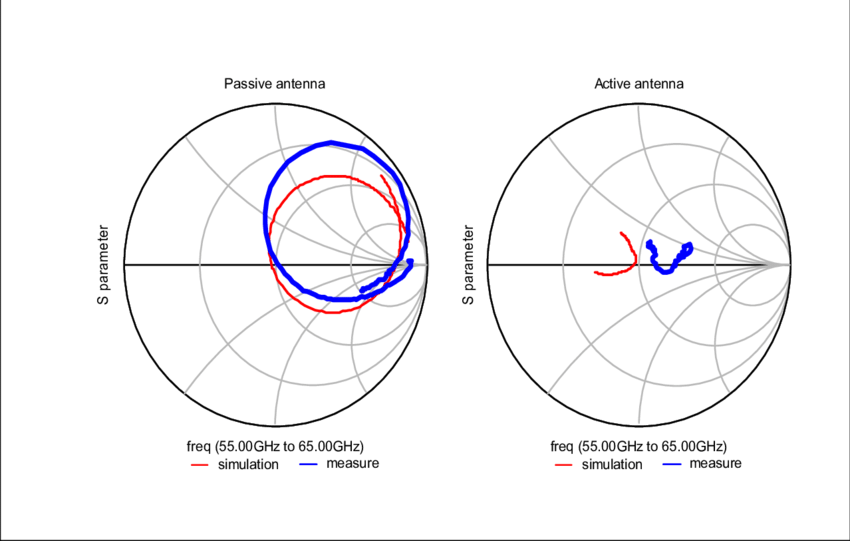
Passive antennas simply receive or transmit signals without amplification, relying on their design (like dipole or Yagi) to focus energy. Gain antennas actively amplify signals using built-in electronics, boosting range and clarity. Key differences: gain antennas require power, offer higher signal strength, and are more directional, while passive ones are simpler, wider-coverage, but weaker. Choose

Passive vs Gain Antennas | 3 key differences explained Read More »

Comparing Antenna Types | Top 5 for Performance

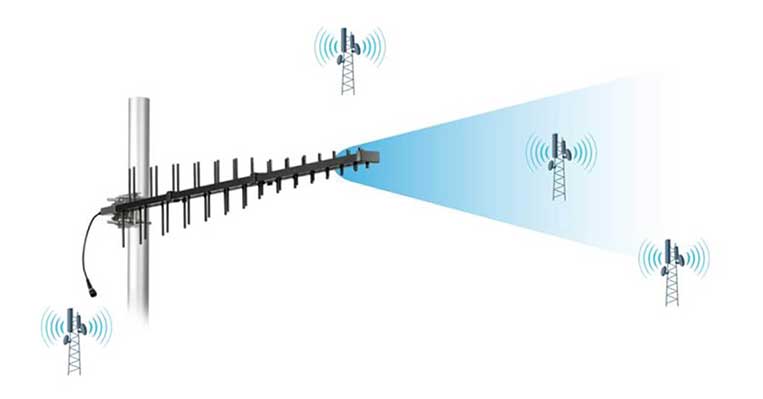
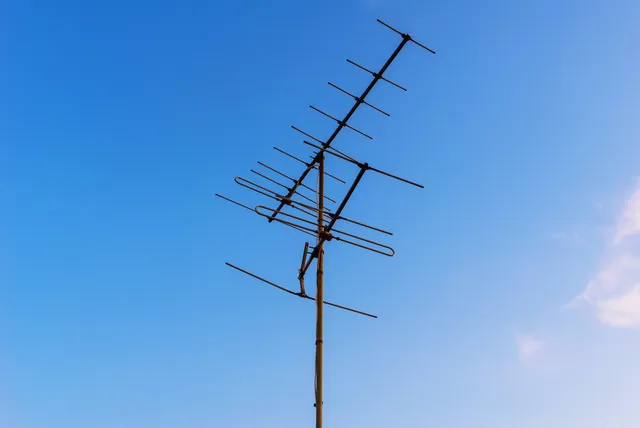
When comparing antenna performance, directional antennas like Yagi-Uda offer high gain (10-15 dBi) and narrow beamwidth (30-60°), ideal for long-range point-to-point links, while omnidirectional antennas (2-5 dBi) provide 360° coverage but shorter range. Parabolic dishes achieve extreme gain (up to 30 dBi) for satellite communications but require precise alignment. Patch antennas (6-8 dBi) are compact

Comparing Antenna Types | Top 5 for Performance Read More »

Antenna Feed System Design | 6 Components Guide

A well-designed antenna feed system includes six key components: the coaxial cable (50-ohm impedance for minimal loss), connectors (e.g., N-type for durability), baluns (1:1 or 4:1 ratio for impedance matching), lightning arrestors (handling 5kA surges), grounding rods (1.5m deep for safety), and weatherproofing (sealed with silicone to prevent 90% moisture ingress). Proper cable routing (avoiding

Antenna Feed System Design | 6 Components Guide Read More »

Passive Antenna Advantages | 5 Key Benefits

Passive antennas offer 30-40% lower costs vs active ones, 95%+ efficiency sans power/cooling; install via simple mounting, reducing maintenance—ideal for 5G small cells or IoT, boosting reliability with minimal upkeep. Zero Maintenance Needs​​ Passive antennas sidestep nearly all maintenance headaches because they contain no electronics or moving parts. Unlike active antennas – which require quarterly

Passive Antenna Advantages | 5 Key Benefits Read More »

Key Antenna Parameters | 6 Metrics to Track

When designing or selecting an antenna, tracking six key parameters ensures optimal performance. The gain, typically ranging from 3 dBi to 20 dBi, determines directional efficiency, while the frequency range (e.g., 2.4 GHz–5 GHz for Wi-Fi) must match the application. VSWR (Voltage Standing Wave Ratio) below 2:1 indicates good impedance matching, minimizing signal loss. Radiation

Key Antenna Parameters | 6 Metrics to Track Read More »

Improving Antenna Efficiency | 5 Proven Methods

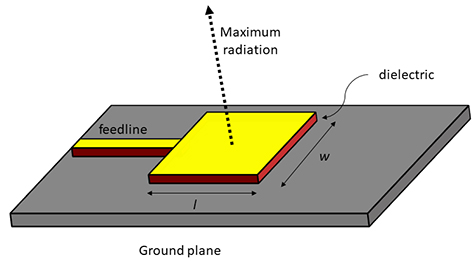
Improving antenna efficiency involves optimizing design and materials. Use high-conductivity metals like copper (5.8×10⁷ S/m) to reduce resistive losses. Minimize dielectric losses with low-loss substrates (e.g., Rogers RO4350B, εᵣ=3.48, tanδ=0.0037). Proper impedance matching (VSWR <1.5) enhances power transfer. Ground plane optimization (λ/4 size) reduces surface waves. For patch antennas, increasing substrate thickness (3-5 mm) improves

Improving Antenna Efficiency | 5 Proven Methods Read More »

Scroll to Top
Blank Form (#3)