+86 29 8881 0979

default

What are the two most common values of directional couplers

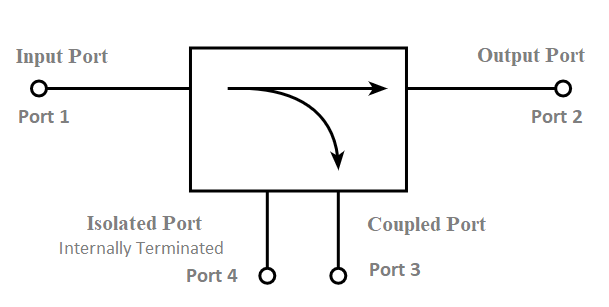
The two most common directional coupler values are ​​3dB​​ and ​​10dB coupling factors​​. A ​​3dB coupler​​ splits power equally (50%/50%) between output ports, ideal for balanced signal division in RF systems (e.g., antenna beamforming). ​​10dB couplers​​ sample ​​10% of input power​​ (with 90% throughput), used for signal monitoring in telecom (e.g., 5G base stations). Both […]

What are the two most common values of directional couplers Read More »
What is the difference between directional coupler and magic tee

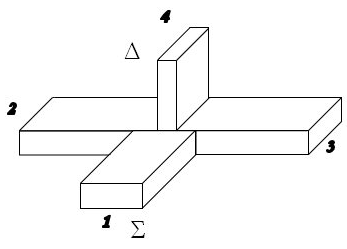
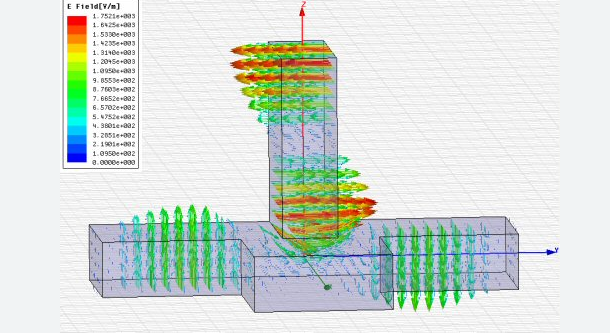
A ​​directional coupler​​ samples RF signals unidirectionally (e.g., ​​-20dB coupling​​) with high isolation (​​>30dB​​), ideal for power monitoring. A ​​magic tee​​ (waveguide hybrid junction) splits signals into ​​equal amplitude (±90° phase shift)​​ across E- and H-arms, used in balanced mixers or antennas. Couplers handle ​​1–40GHz​​, while magic tees operate at ​​microwave frequencies (e.g., 8–12GHz)​​. ​​Basic

What is the difference between directional coupler and magic tee Read More »

What is the difference between directional coupler and splitter

A ​​directional coupler​​ samples a small portion (e.g., ​​-10dB to -30dB​​) of signal flow in one direction (forward/reflected) for measurement, while a ​​splitter​​ divides power equally (e.g., ​​3dB loss per port​​ in a 2-way splitter) across all outputs. Couplers maintain isolation (​​20–30dB​​), whereas splitters balance impedance (​​75Ω/50Ω​​). Use couplers for RF analysis, splitters for signal

What is the difference between directional coupler and splitter Read More »

What is the distance between directional couplers

The ​​distance between directional couplers​​ depends on ​​wavelength and frequency​​—typically ​​λ/4 to λ/2​​ (e.g., 7.5–15 cm for 1GHz signals). In ​​RF systems​​, spacing is optimized for ​​20-30 dB isolation​​ to prevent interference, with ​​microstrip designs​​ maintaining ​​0.1mm precision​​ for ​​2-40GHz applications​​. Closer spacing (<5mm) may be used in ​​high-density PCBs​​ with ​​3dB coupling loss​​. ​​What

What is the distance between directional couplers Read More »
What is a dual directional coupler

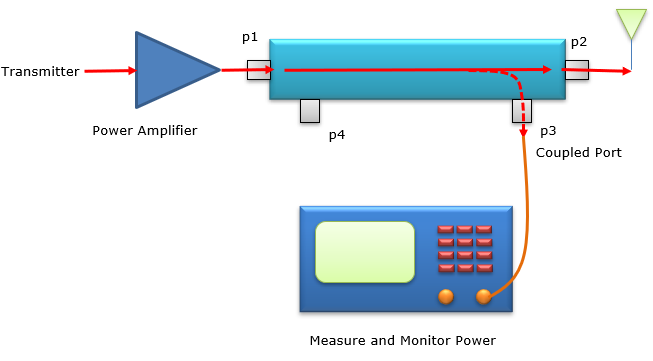
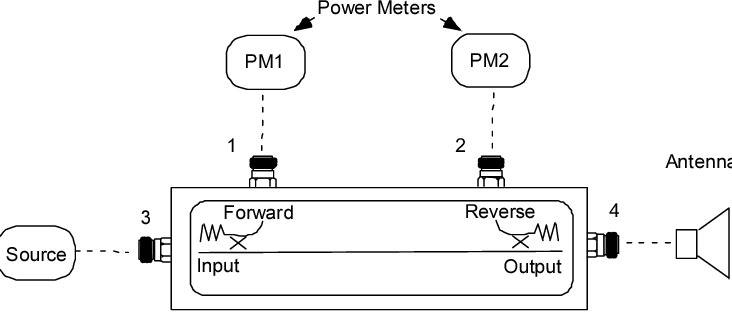
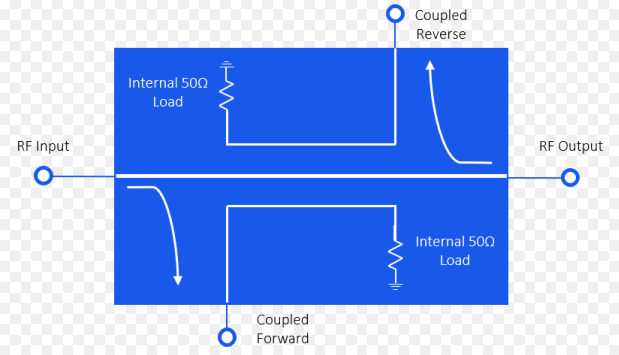
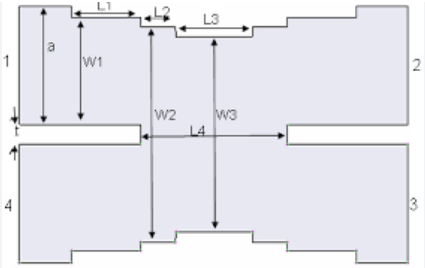
A ​​dual directional coupler​​ is a passive RF device that ​​samples forward and reflected signals​​ simultaneously in a transmission line, typically operating from ​​1 MHz to 40 GHz​​ with ​​20-30 dB coupling factor​​. It uses ​​two coupled lines​​ to achieve ​​±0.5 dB directivity​​, enabling precise ​​VSWR measurements​​ and ​​power monitoring​​ in telecom/test systems without disrupting

What is a dual directional coupler Read More »

Can directional coupler be planar

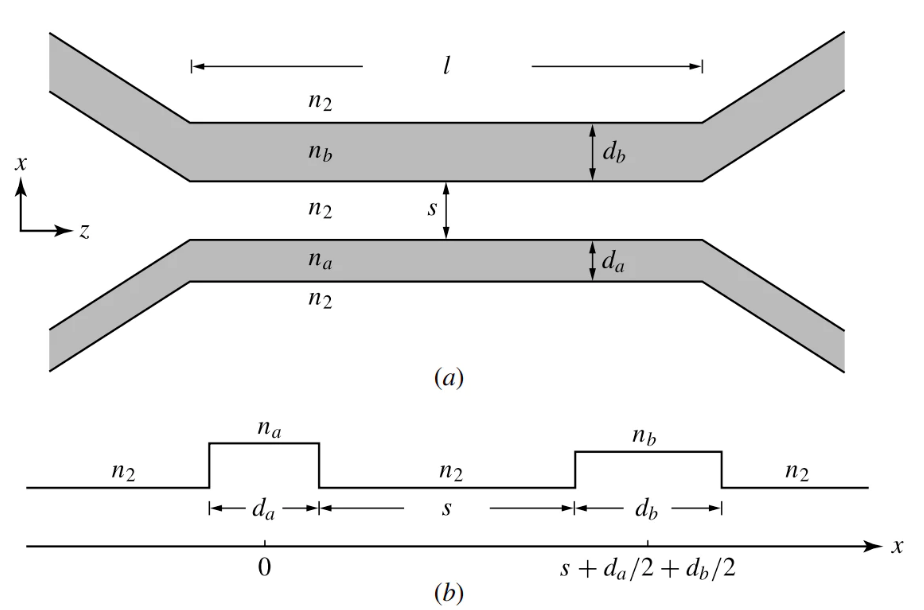
Yes, ​​planar directional couplers​​ (e.g., microstrip or stripline) enable ​​compact integration​​ (<5mm² footprint) with ​​broadband performance​​ (2-40GHz). They achieve ​​tight coupling​​ (3-20dB) via ​​λ/4 spaced traces​​ (0.1mm precision) on ​​FR4/Rogers substrates​​, offering ​​low loss​​ (<0.2dB/mm) but trade ​​isolation​​ (15-25dB vs. 30dB in waveguide). Ideal for ​​5G/MMIC​​ apps where ​​size/weight​​ matters. ​​What is a Directional Coupler?​​

Can directional coupler be planar Read More »

What advantage does a 3 port coupler have over a 4 port

A 3-port coupler offers simpler integration (30% fewer connections) and lower insertion loss (<0.3dB vs. 0.5dB in 4-port), ideal for unidirectional monitoring (e.g., 20dB coupled output). With compact size (50% smaller footprint) and reduced cost (25% savings), it excels in 5G/Wi-Fi apps where isolation (>25dB) matters more than bidirectional sampling—though lacks 4-port’s dual-path flexibility. ​​Fewer

What advantage does a 3 port coupler have over a 4 port Read More »

What is the difference between directional coupler and combiner

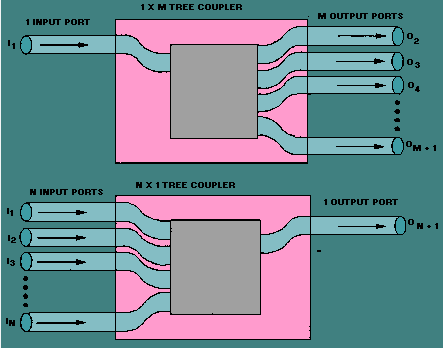
A ​​directional coupler​​ splits RF signals asymmetrically (e.g., 90:10 ratio) with ​​20-30 dB isolation​​ to monitor power without disrupting flow, while a ​​combiner​​ merges signals symmetrically (e.g., 3dB loss) with ​​<0.5dB insertion loss​​. Couplers operate at ​​1-40GHz​​ for measurement, combiners at ​​narrow bands​​ for coherent summation—critical differences in ​​phase matching​​ (±2°) and ​​VSWR​​ (<1.5:1). ​​Basic

What is the difference between directional coupler and combiner Read More »

Scroll to Top
Blank Form (#3)