+86 29 8881 0979

default

Horn Antenna Gain Calculation Guide | Formula, Aperture Area, Efficiency

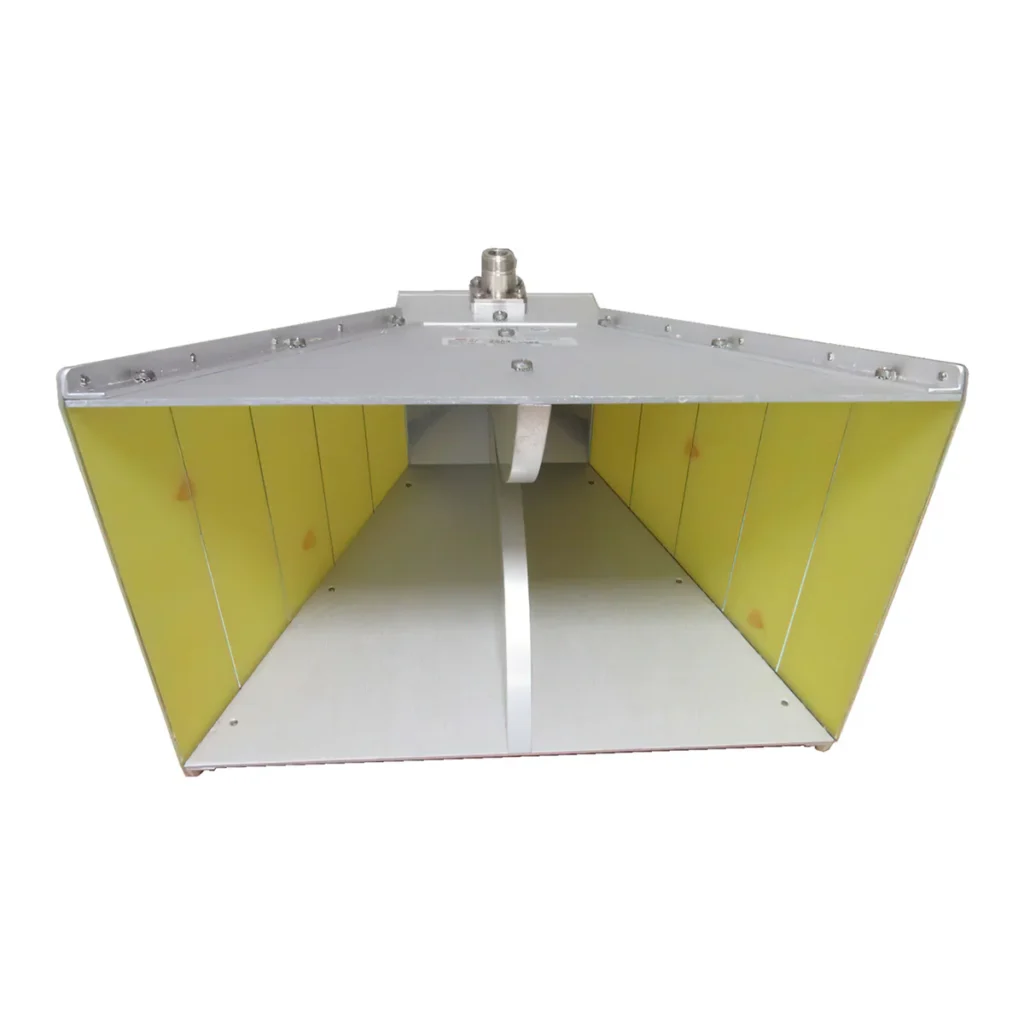
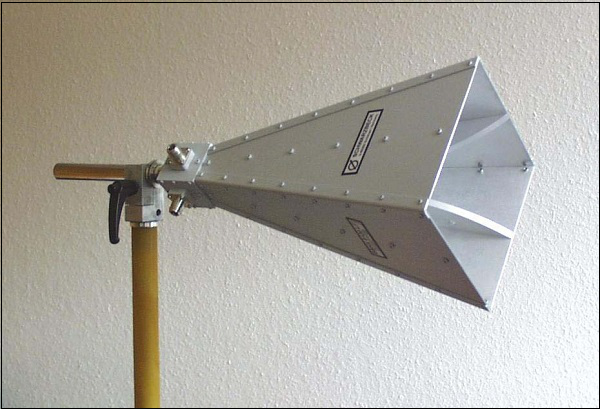
Horn antenna gain is determined by the aperture area, operating wavelength, and efficiency (typically taken as 0.6). The calculation formula is: 4π multiplied by the area multiplied by the efficiency, divided by the square of the wavelength. A larger aperture area or a shorter wavelength results in higher gain, which significantly enhances the directional transmission […]

Horn Antenna Gain Calculation Guide | Formula, Aperture Area, Efficiency Read More »
Standard Gain Horn Antenna Selection Guide | Frequency, Gain, VSWR

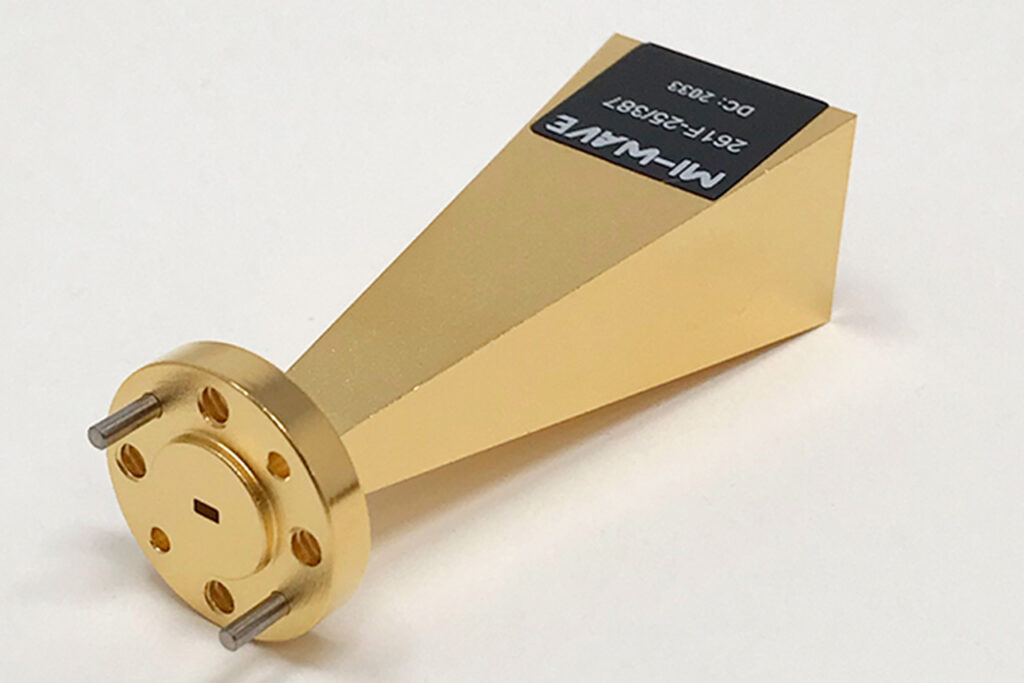
Selection depends on matching the frequency (e.g., 2-40 GHz), ensuring gain error < ±0.5 dB and VSWR < 1.3. Understanding Frequency Each horn antenna corresponds to a specific WR waveguide standard; for example, WR-28 covers 26.5 to 40 GHz, with internal waveguide dimensions of 7.112 mm x 3.556 mm. The frequency level directly relates to

Standard Gain Horn Antenna Selection Guide | Frequency, Gain, VSWR Read More »

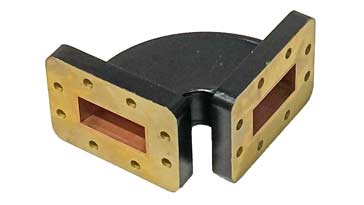
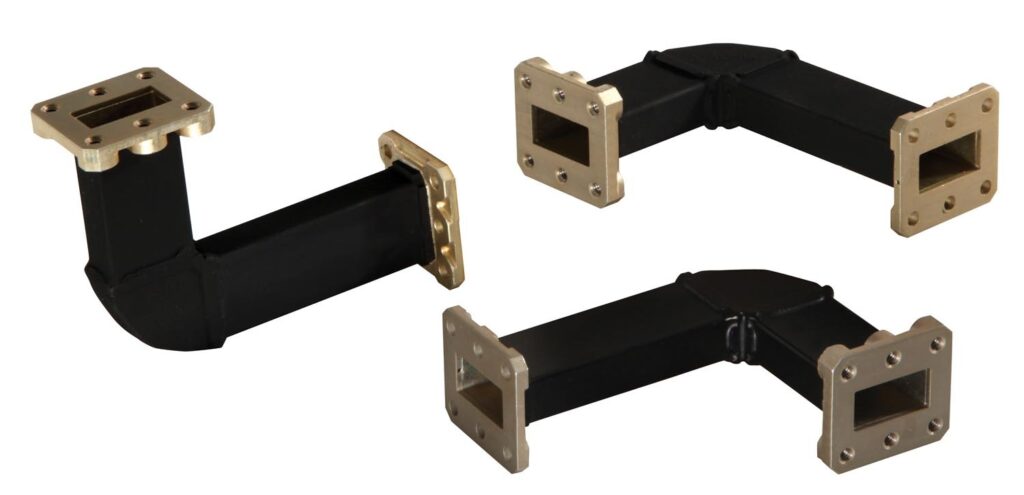
Flexible Waveguide Selection Guide | Size, Frequency, Bend Radius​

Selection should be based on frequency to determine size, for example, WR-90 corresponds to 8.2-12.4 GHz; During installation, strictly control the E-plane static bend radius to be greater than 64mm to prevent VSWR deterioration causing signal reflection. Size Size selection must first match the operating frequency band based on EIA standards (such as WR-75). For

Flexible Waveguide Selection Guide | Size, Frequency, Bend Radius​ Read More »

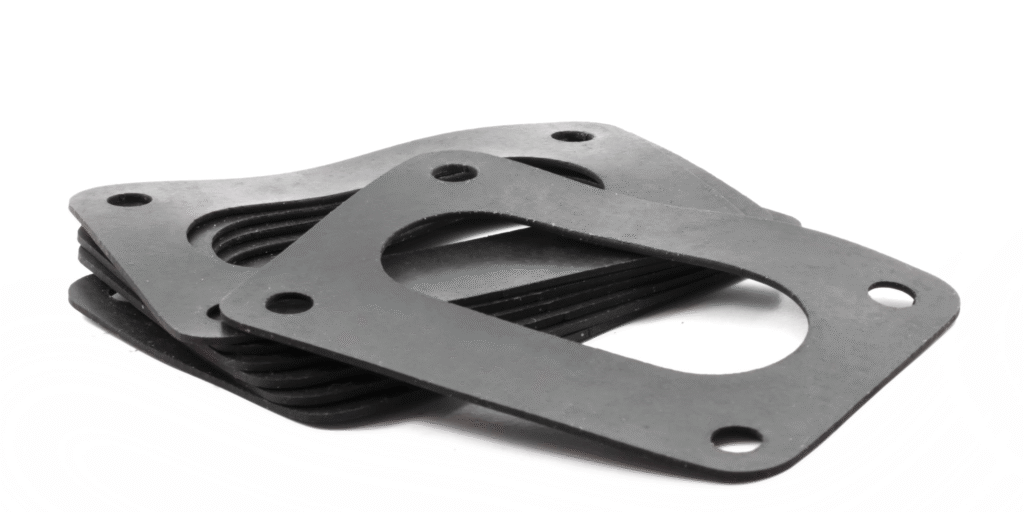
Waveguide Conductive Gasket Selection Guide | Structure, Performance, Price​

Waveguide conductive gaskets typically use silicone rubber filled with silver or nickel particles, with a standard thickness of about 0.69mm, capable of providing shielding effectiveness exceeding 100dB. When selecting, choose O-type or D-type cross-sections based on WR flange dimensions (e.g., WR28); for high-pressure environments, metal skeleton reinforced types are recommended to prevent cold flow. The

Waveguide Conductive Gasket Selection Guide | Structure, Performance, Price​ Read More »

Design of Conductive Elastomer Waveguide Gaskets | Function, Material, Manufacturing Process​

Function: Achieve waveguide sealing and electromagnetic shielding (X-band 8-12GHz, shielding effectiveness ≥60dB). Material: Silicone rubber matrix + 3-5wt% carbon nanotubes (CNT), tensile strength ≥5MPa. Process: Internal mixer blending at 150°C for 30min → Compression molding (10MPa/15min) → Plasma cleaning surface. Final product is highly elastic with stable conductivity. Function Achieves 105dB shielding effectiveness at 40GHz

Design of Conductive Elastomer Waveguide Gaskets | Function, Material, Manufacturing Process​ Read More »

How to Test Broadband Waveguide Antenna Performance

Test broadband waveguide antennas via VNA calibrated with WR-90 standards, measuring S11 (<-10dB) from 26.5-40GHz. In far-field (15λ away), compare with a reference antenna to record gain (>12dBi) and VSWR (<1.5), validating consistent mode propagation and impedance match. Pre-Test Preparation Pre-test preparation requires building standardized test conditions, including anechoic chamber environment verification (quiet zone size

How to Test Broadband Waveguide Antenna Performance Read More »

Why Choose Waveguide Components for EMC

Waveguide components enhance EMC with ultra-low insertion loss (<0.2dB at 10GHz) and robust shielding; precision-machined metal walls (roughness <0.8μm) suppress leakage, confining signals via mode propagation while blocking interference. Low Loss In high-frequency signal transmission, the low-loss characteristic of waveguides stems from the full constraint of electromagnetic waves by their metal enclosed structure. The inner

Why Choose Waveguide Components for EMC Read More »

How to Install Open Ended Waveguides in Indoor Satellites

Align open-ended waveguides via laser tools (±0.1mm accuracy), seal flanges with 0.5mm silicone gel, torque bolts to 5N·m, then test VSWR (<1.2) to ensure indoor satellite signal integrity. Preparation and Planning Ka-band (26.5-40GHz) signals have a loss of approximately 0.3-0.5dB per meter of waveguide. If the waveguide length is extended to 20 meters, the total

How to Install Open Ended Waveguides in Indoor Satellites Read More »

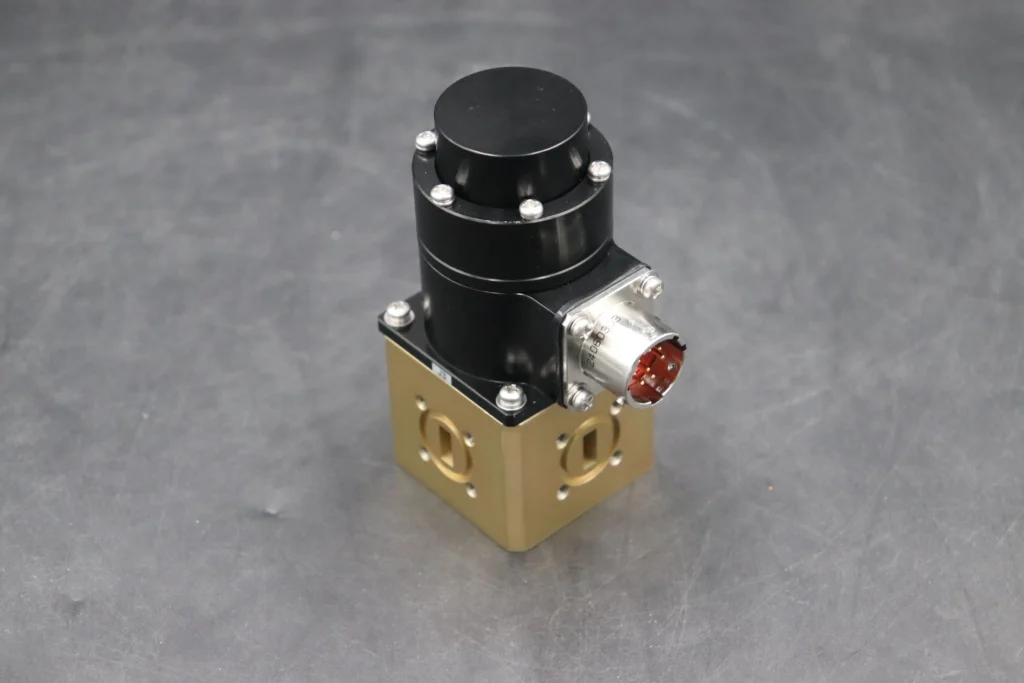
What Causes Waveguide Transfer Switch Failures

Waveguide transfer switch failures often stem from mechanical wear (spring fingers fatigue after 10k+ cycles), >10μm particle contamination blocking signal paths, or thermal misalignment—aluminum alloy expands 23μm/°C above 85°C, misaligning flanges for signal loss. Mechanical Structure Failures Over 90% of non-sudden failures originate from the aging or damage of mechanical components (according to 2022 failure

What Causes Waveguide Transfer Switch Failures Read More »

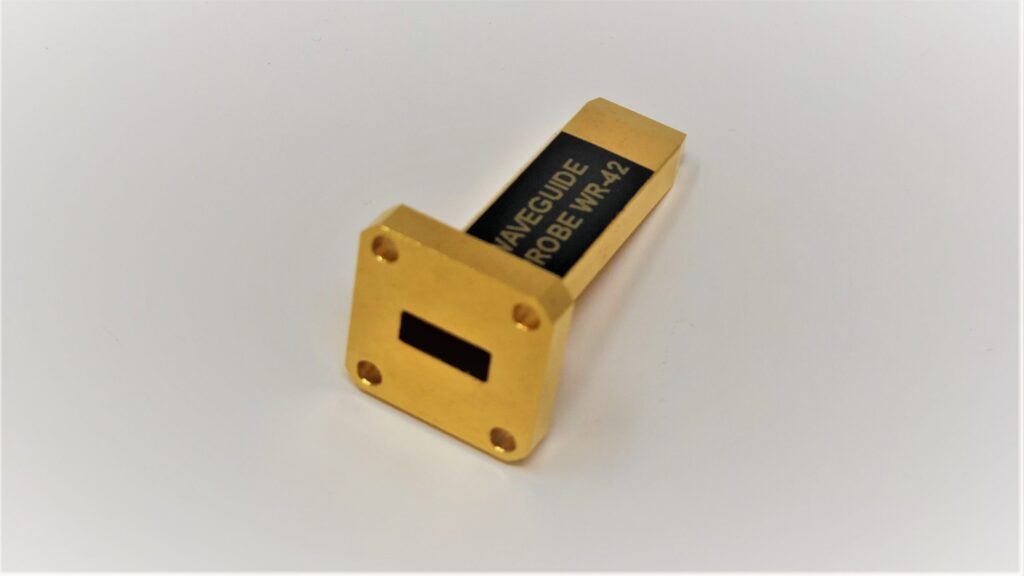
How to Maintain Open Ended Waveguide Probes

Maintain open-ended waveguides by wiping probes with isopropyl alcohol on lint-free cloths, inspecting tips for corrosion/bends, and quarterly calibrating (insertion loss ≤0.5dB) to prevent signal degradation from contaminants or physical damage. Daily Cleaning and Surface Maintenance “Clean” for an open-ended waveguide probe is never just visual “no obvious dust” – dust particles with a diameter

How to Maintain Open Ended Waveguide Probes Read More »

Scroll to Top
Blank Form (#3)