+86 29 8881 0979

NEWS

What is the difference between Yagi and Omni antenna

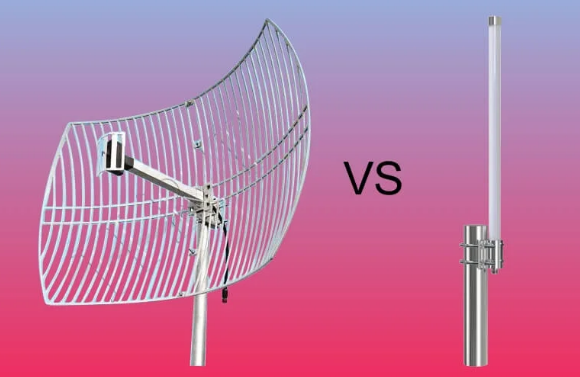
Yagi antennas are directional, with a driven element, reflector, and directors, offering 10–15dBi gain at 2.4GHz for focused point-to-point links. Omni antennas radiate uniformly horizontally (2–5dBi gain), suited for area coverage; Yagi typically operates 400MHz–6GHz, Omni 30MHz–6GHz, differing in pattern and use case. How They Send and Receive Signals A Yagi antenna, like a flashlight, […]

What is the difference between Yagi and Omni antenna Read More »
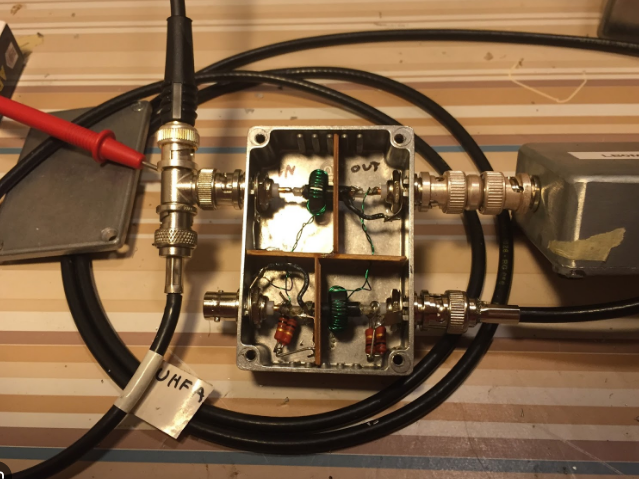
What is the function of coupler antenna

Coupler antennas integrate signal routing and isolation functions, enabling power division (e.g., 10–20dB splits) or sampling (insertion loss <0.3dB) between transmit/receive paths while maintaining >25dB isolation at 2–18GHz to minimize interference, optimizing RF system efficiency. Connecting Two Devices Wirelessly A common challenge in RF systems is efficiently transferring a signal from a primary transmitter to

What is the function of coupler antenna Read More »

What is the limit of C-Band

The C-band, defined by ITU as 4-8 GHz, faces practical limits: rain fade at 100mm/h induces 0.5-1dB/km loss at 6GHz, impacting satellite links (uplink 5.925-6.425GHz, downlink 4.6-5.0GHz). Antenna gain (30-40 dBi for 3-6m dishes) and LNA noise figures (0.5-1.5dB) constrain sensitivity, while physical size limits high-gain use in compact systems. Defining C-Band Frequency Range The

What is the limit of C-Band Read More »

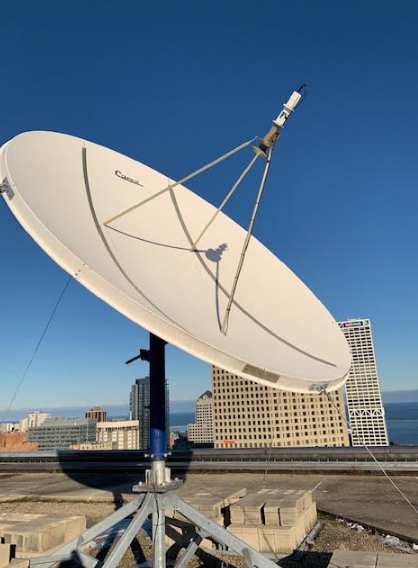
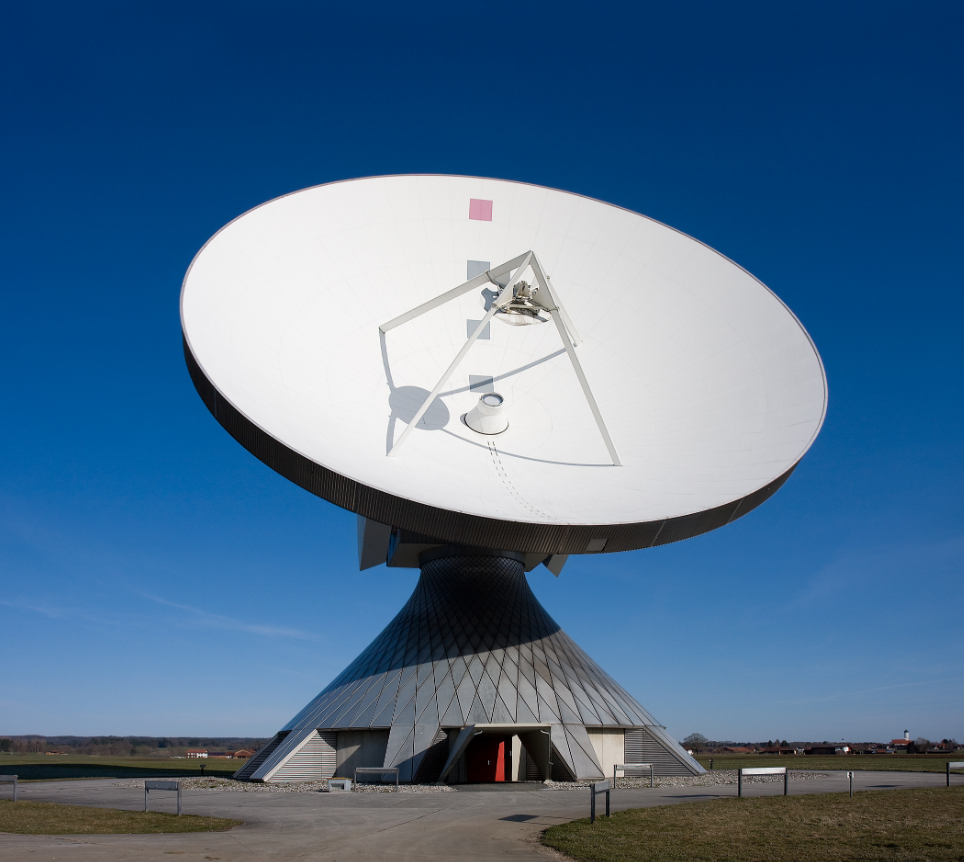
How do satellite antennas work

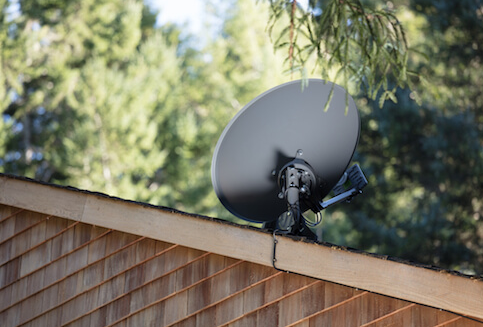
Satellite antennas operate via parabolic reflectors that focus electromagnetic waves onto a feed horn; a 3-meter diameter dish in Ku-band (12-18GHz) achieves ~40dBi gain, directing signals toward satellites. During transmission, electrical signals convert to waves at the feed, reflected into parallel beams by the parabola; reception reverses this, focusing incoming waves (error <0.1° in azimuth/elevation)

How do satellite antennas work Read More »

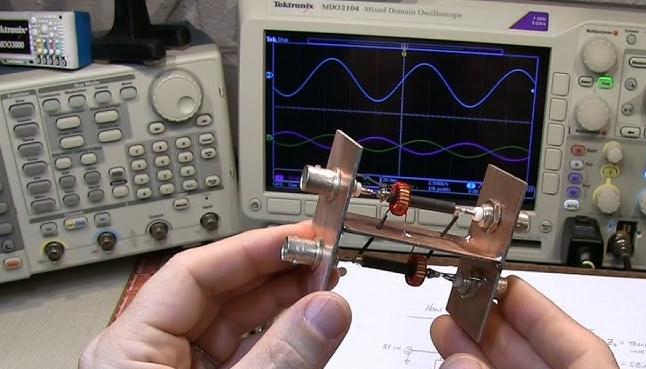
How do you test a directional coupler

To test a directional coupler, connect it to a signal generator (output: +10dBm, 2-4GHz) and spectrum analyzer. Measure input power (Pin) at the main port, coupled power (Pcouple) at the coupled port, and isolated port power (Piso). Calculate insertion loss (Pin-Pthru, typical 0.5-2dB), isolation (Pin-Piso ≥20dB), and directivity (Pcouple-Piso ≥30dB) to validate performance. Measure Insertion

How do you test a directional coupler Read More »

Introducing the High Power Differential Phase Shift WG Circulator

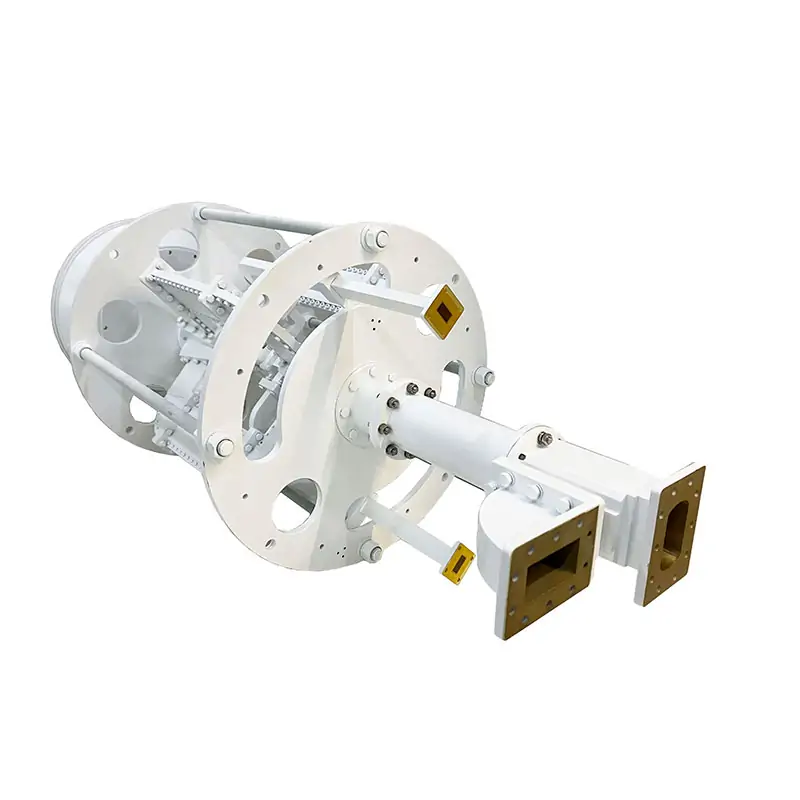
The High Power Differential Phase Shift WG Circulator operates in X-band (8-12 GHz), supporting 500W peak input power with <0.5 dB insertion loss and >40 dB isolation. Its optimized ferrite structure minimizes phase error to ±2°, ensuring stable signal routing in high-power radar systems. What It Is and How It Works A High Power Differential

Introducing the High Power Differential Phase Shift WG Circulator Read More »

Ka-Band 4-Port Diplexer with Circular Polarization for Antenna Networks

The Ka-band 4-port duplexer supports circular polarization and is suitable for antenna networks. The frequency range is usually 26.5 to 40 GHz. It can achieve efficient merging and separation of multi-path signals, ensuring a transmission rate of more than 10 Gbps. The polarization direction must be accurately calibrated during installation to optimize performance. Ka-band Characteristics

Ka-Band 4-Port Diplexer with Circular Polarization for Antenna Networks Read More »

What is the purpose of the waveguide to coax transition

The waveguide-to-coax transition enables efficient signal transfer between high-frequency waveguides (e.g., operating at 10–100 GHz) and coaxial cables, typically using a probe or loop within the waveguide to couple energy into the center conductor, achieving VSWR < 1.2 with precise alignment and machined metal interfaces for minimal loss. ​​What’s a Waveguide?​​​ A ​​waveguide​​ is a

What is the purpose of the waveguide to coax transition Read More »

Scroll to Top
Blank Form (#3)