+86 29 8881 0979

NEWS

Sectoral Antenna Maintenance | 7 Base Station Fixes

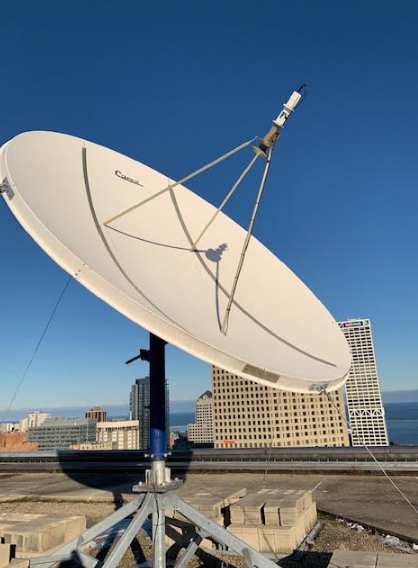
Maintenance of satellite parabolic antenna includes special inspection of WR-15 flange sealing surface (aluminum chips > 50μm will create VSWR > 2.1), substitution of the polytetrafluoroethylene support ring with a torque wrench of 35N·m (the dielectric constant must be maintained at 2.1±0.05), and helium leak detection according to MIL-STD-188-164A standard (threshold 5×10⁻⁸ atm·cc/sec). After level […]

Sectoral Antenna Maintenance | 7 Base Station Fixes Read More »
Waveguide-Horn-Antennas

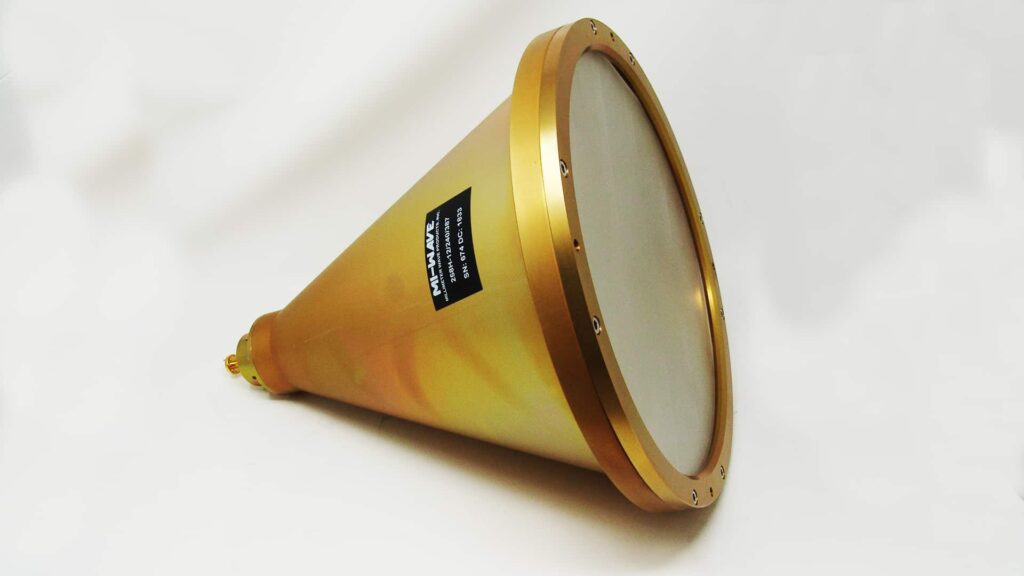
What is the difference between horn antenna and parabolic antenna

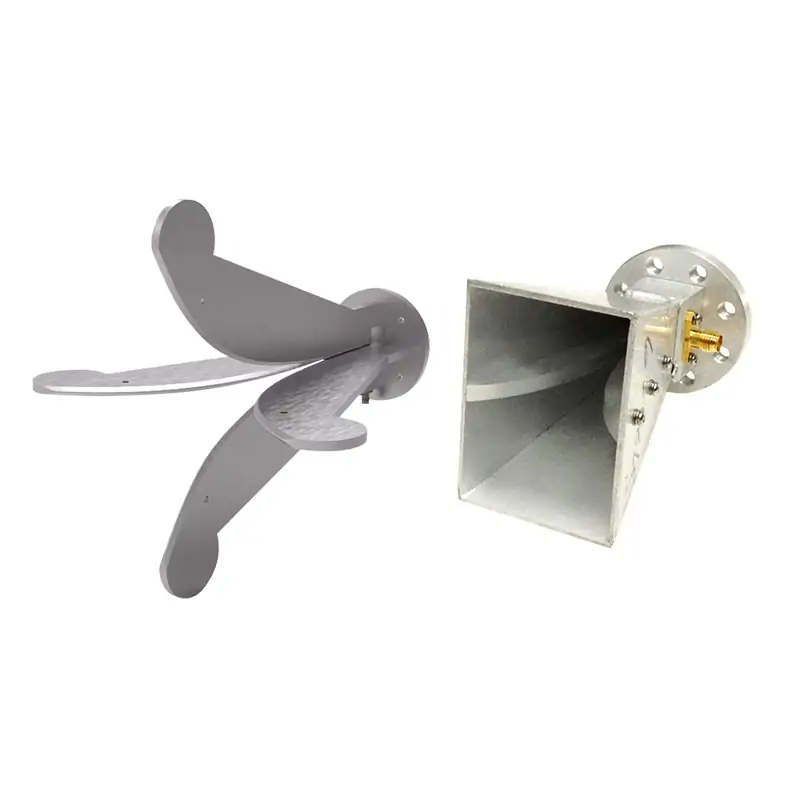
Horns give 22dBi gain at 12GHz with ±15cm installation tolerance, while parabolic dishes are capable of 38dBi gain but require surface accuracy <λ/16. Parabolics demand ≥2D²/λ far-field test distance, while horns have ±3λ axial deviation tolerances. Phase drift: 0.15°C (horn) compared to 0.03°C (parabolic with CFRP). Principle Comparison Last year when we were debugging AsiaSat

What is the difference between horn antenna and parabolic antenna Read More »

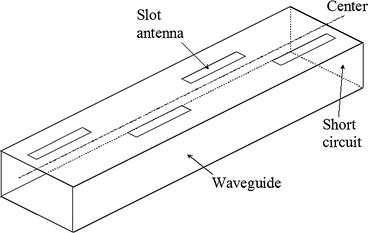
How Waveguide Slot Arrays Enhance Radar Systems

The waveguide slot array improves the radar beam pointing accuracy by 15 times through ±0.25° tilt tolerance control (military AN/SPY-6 standard) and gradient arrangement algorithm, combined with 0.1mm precision groove engraving by diamond turning tool and 200nm gold-nickel plating process, and achieves ±2° phase consistency in the 94GHz frequency band, power tolerance of 50kW pulse,

How Waveguide Slot Arrays Enhance Radar Systems Read More »

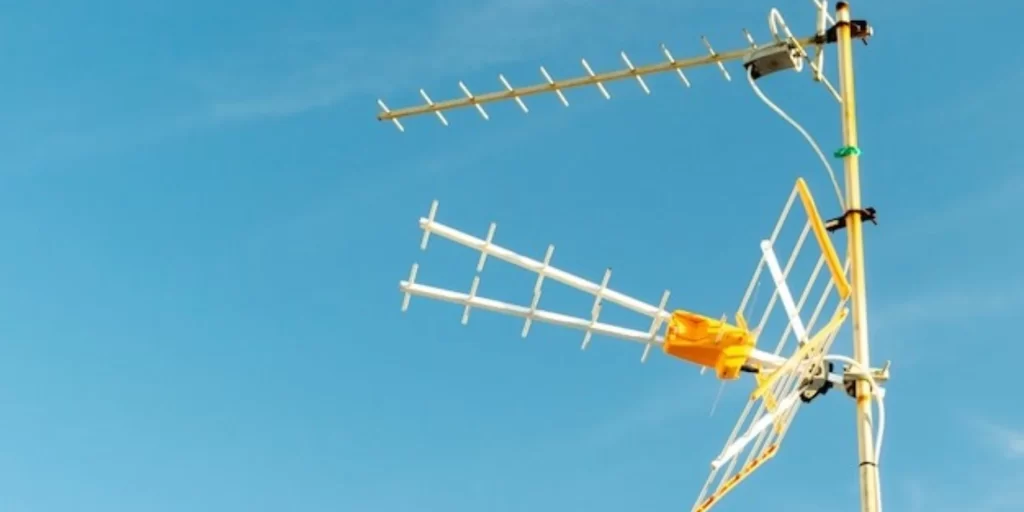
How Do Log Periodic Antennas Optimize Bandwidth

The logarithmic periodic antenna expands the working bandwidth by 37% through the geometric arrangement of τ=0.82 (the traditional solution τ=0.7), and achieves VSWR<1.5:1 at 8-40GHz. The gradient slot line (radiation efficiency increased from 68% to 82%) and dual dielectric substrate (Ku-band Rogers 5880, Ka-band aluminum nitride ceramic) are used to suppress high-frequency leakage, and the

How Do Log Periodic Antennas Optimize Bandwidth Read More »

What are the benefits of KU band

Ku-band (12–18 GHz) excels with compact user antennas (0.6–1.2m vs. C-band’s 1.8–2.4m), narrower beams boosting frequency reuse, and 54MHz transponders enabling 100+ HD channels or 10–20Mbps VSAT links, balancing high capacity with practical installation for TV/broadband. More Data in the Same Space​​ The primary advantage of the KU band lies in its higher frequency range,

What are the benefits of KU band Read More »

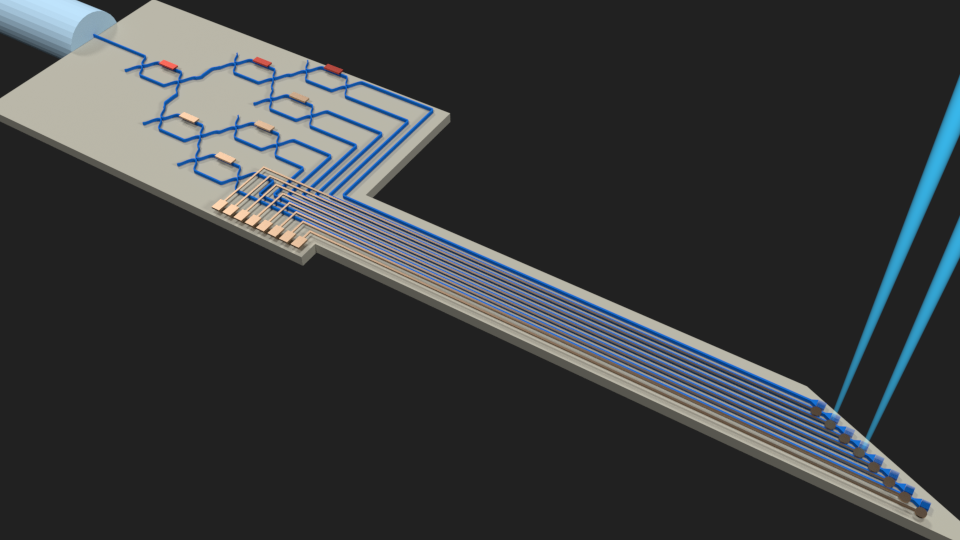
Why Use Array Antennas for Satellites

Array antennas boost satellite performance via phased element summation: multi-element arrays achieve 35–40dBi gain, enable microsecond electronic beam steering (vs. mechanical’s minutes), and support multi-beam coverage (e.g., 100+ spot beams on HTS satellites), enhancing capacity 10x+ for global high-speed links. ​​What is an Array Antenna​​ A typical satellite communication array might use 256 individual patch

Why Use Array Antennas for Satellites Read More »

Why Are Satellite Bands Important

Satellite bands matter: L-band (1–2 GHz) powers GPS, delivering meter-level accuracy; Ku-band (12–18 GHz) enables high-throughput satellite TV via wide bandwidth. Infrared (8–14 μm) on weather sats monitors cloud temperatures, refining forecasts. What Are Satellite Bands? The International Telecommunication Union (ITU) manages this global resource, categorizing bands from VHF (30-300 MHz) to Ka-band (26.5-40 GHz).

Why Are Satellite Bands Important Read More »

Scroll to Top
Blank Form (#3)