+86 29 8881 0979

default

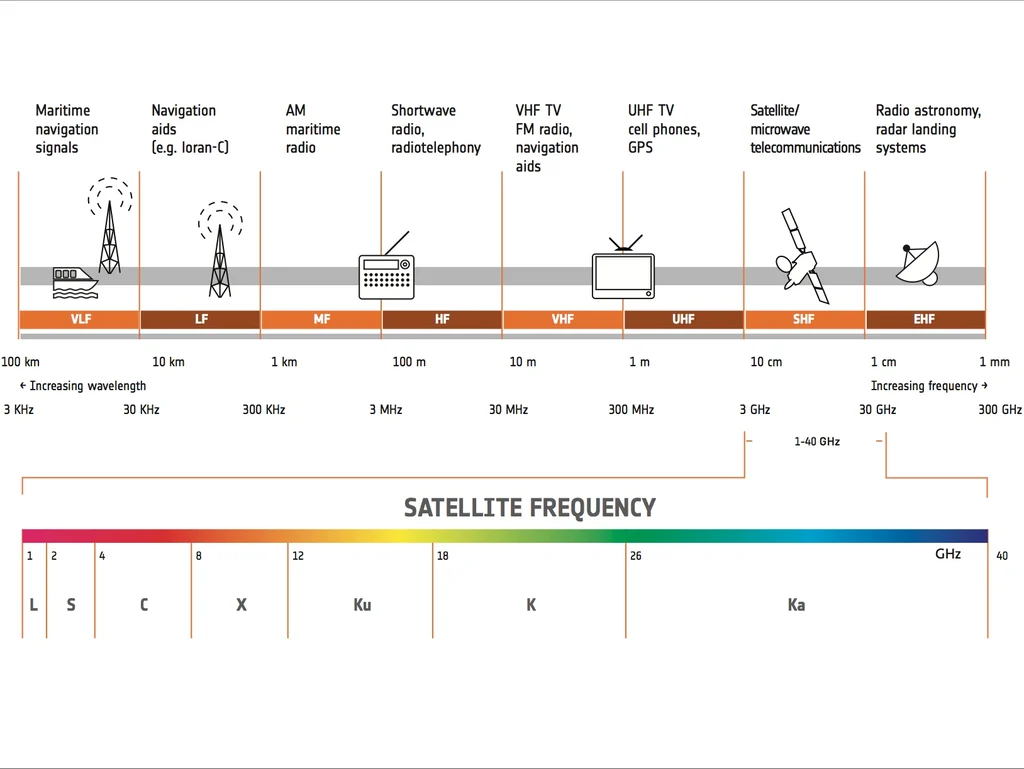
What is the UHF band for satellite communication

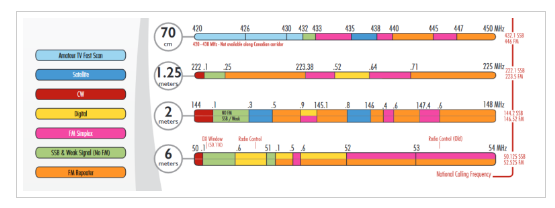
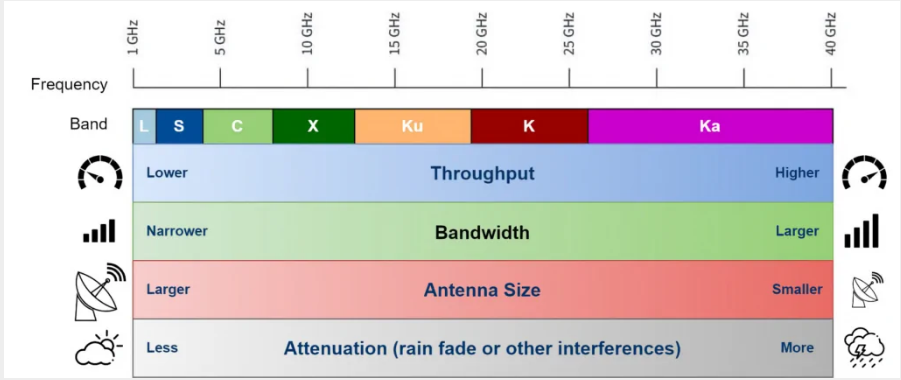
The UHF band for satellite communication typically operates between 300 MHz and 3 GHz, with common downlink frequencies around 250-270 MHz and uplinks near 300-320 MHz. This band is favored for its reliable penetration through obstacles and relatively simple antenna requirements. Defining UHF Band Frequencies The UHF (Ultra High Frequency) band for satellite communication operates […]

What is the UHF band for satellite communication Read More »
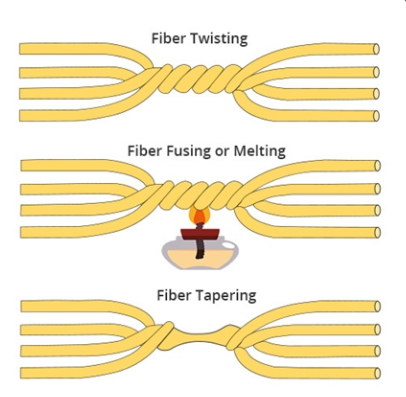
What is S1 and S2 in FTTH

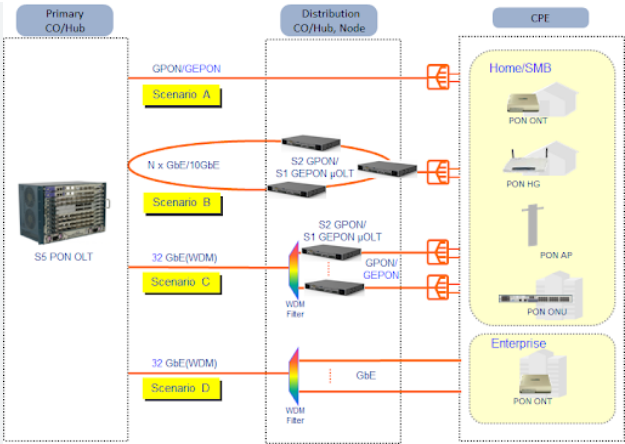
In FTTH, S1 and S2 are standardized connector interfaces. The S1 connector is a simpler, low-cost plug for indoor customer premises, while the S2 features a hardened, weather-resistant design for direct outdoor aerial or buried drop installations, ensuring greater durability. Basic FTTH Network Structure Fiber-to-the-Home (FTTH) is a broadband delivery method that uses optical fiber

What is S1 and S2 in FTTH Read More »

What is the difference between active and passive couplers

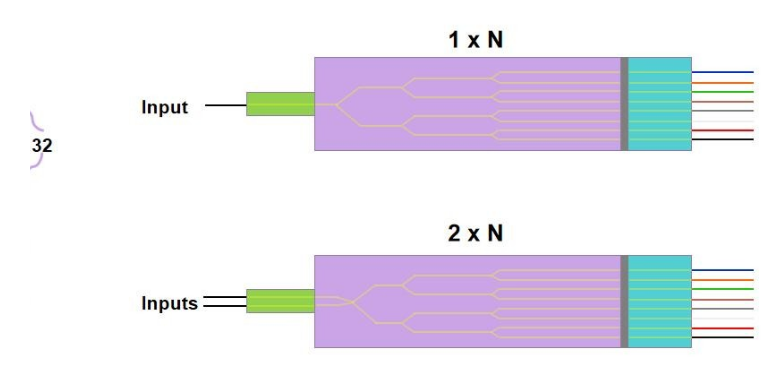
The core difference lies in power: active couplers require an external power source to amplify signals with gains up to 30 dB, ideal for long distances. Passive couplers are unpowered, simply splitting signals but introducing inherent insertion loss of 3-6 dB per output port. Core Function and Purpose Passive couplers are like simple, unpowered splitters.

What is the difference between active and passive couplers Read More »

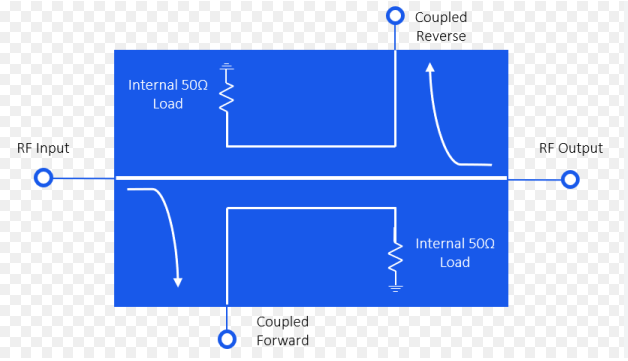
What is the directivity of a directional coupler

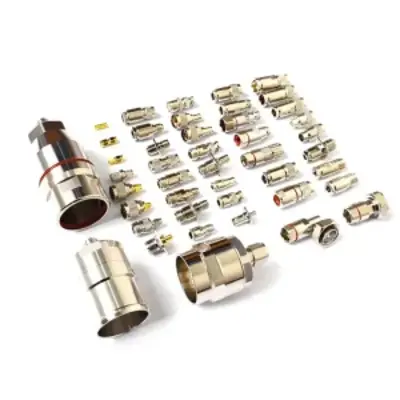
Directivity measures a directional coupler’s ability to isolate forward and backward signals, typically ranging from 20 to 40 dB. Higher directivity, like 40 dB, ensures precise measurement of reflected power by minimizing interference from the forward signal, which is critical for accurate VSWR and return loss calculations. ​​What Directivity Means​​ In simple terms, directivity (D)

What is the directivity of a directional coupler Read More »

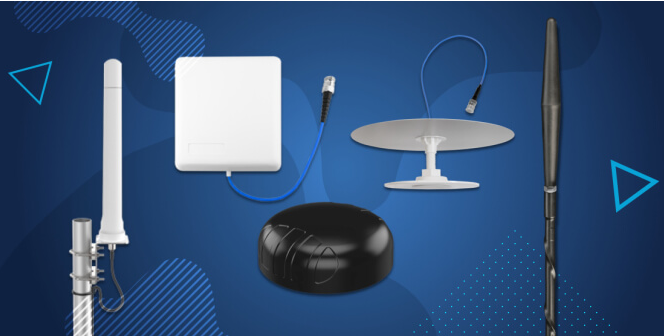
7 points to adjust the antenna for optimal reception

7 elements of antenna tuning: 1. Azimuth angle accurate to ±1° (calibrated with a compass); 2. Pitch angle adjusted according to frequency band (20-50° for satellite communication); 3. Polarization direction matching signal source (vertical/horizontal); 4. Real-time monitoring of signal strength (>-70dBm); 5. Avoid obstacles (>3 meters spacing); 6. Connector torque 0.9N·m; 7. Install a low-noise

7 points to adjust the antenna for optimal reception Read More »

How to integrate multiple frequency bands in antenna feed network

Component Selection Choosing Multi-Band Feed Systems Integrating multiple frequency bands into the antenna feed network requires the introduction of a multi-band feeding system, so the choice is to combine different frequency bands. To determine the appropriate feed system, a list of frequency bands owned by the network needs to be compiled, which can be, for

How to integrate multiple frequency bands in antenna feed network Read More »

Scroll to Top
Blank Form (#3)