+86 29 8881 0979

default

What are the 7 radio waves

The 7 radio waves span ELF (3-30Hz, submarine comms), SLF (30-300Hz, underground), ULF (300-3kHz, geophysics), VLF (3-30kHz, nav beacons), LF (30-300kHz, AM), MF (300-3MHz, AM), HF (3-30MHz, shortwave), each with distinct propagation for specialized uses. Radio Waves in Broadcasting Today, ​​over 44,000 licensed radio stations​​ operate globally, with the ​​AM band (530–1700 kHz)​​ and the […]

What are the 7 radio waves Read More »

What messes with radio waves

Rainfall attenuates radio waves, with Ku-band signals losing 10-15 dB during heavy storms; concrete buildings block signals, causing over 20 dB loss in cities. Nearby Wi-Fi (2.4 GHz) or Bluetooth devices introduce noise, reducing clarity by up to -30 dBm. Tall Buildings Block Signal Radio signals, especially those above 1 GHz like 5G (which often

What messes with radio waves Read More »

What is the difference between coupler and waveguide combiners

Couplers are used to distribute or combine signals in proportion (such as 10dB coupling), while waveguide combiners directly integrate multiple signals and are suitable for high-power scenarios. Both operate in a specific frequency band, such as 2-40GHz, but have different structures and functions. Coupler Basics During ChinaSat 9B’s orbital tests, engineers found EIRP suddenly dropped

What is the difference between coupler and waveguide combiners Read More »

What is the functionality of waveguide combiners

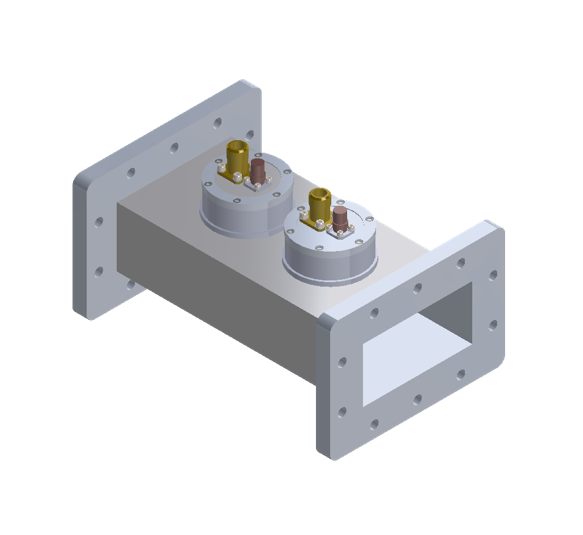
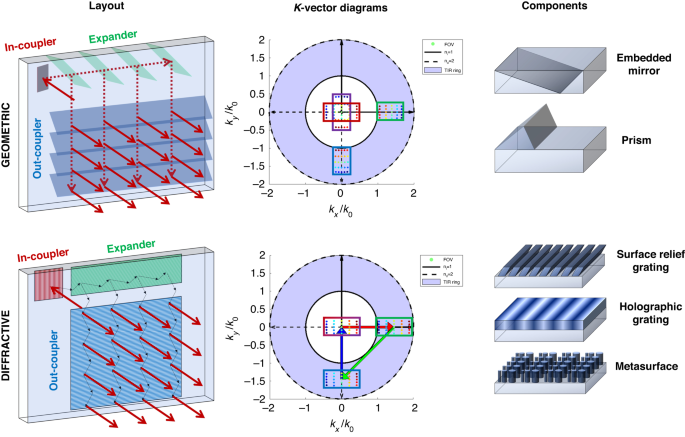
Waveguide combiners merge multiple RF signals into one, reducing system complexity; in X-band (8–12GHz) applications, they achieve ≤0.5dB insertion loss and ≥20dB isolation via precision-machined flanges (e.g., WR-90, ±0.05mm tolerance) for impedance matching, optimizing power efficiency in radar/communication systems. Merging Real and Virtual Light Waveguide combiners are the core optical engines in most modern augmented

What is the functionality of waveguide combiners Read More »

What is a double ridged horn antenna

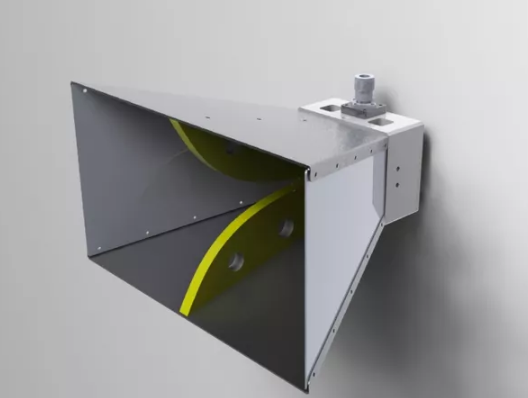
A double ridged horn antenna uses dual rectangular/ridged waveguides to direct RF signals, operating in X/Ku-bands (8–40GHz) with 10–15dBi gain and ≤1.5 VSWR. Constructed from aluminum/copper (silver-plated for low loss), its flared ridges expand wavefronts, enabling efficient emission/reception for high-frequency communication or radar systems, aligned via ±0.1mm precision with feed sources. ​​Basic Definition and Purpose​​

What is a double ridged horn antenna Read More »

Why is the efficiency of a corrugated horn antenna higher than the convention horn antenna

Corrugated horn antennas outperform conventional ones due to their periodic grooved structure (e.g., 0.5–1mm depth, 2–4 grooves/wavelength) that minimizes edge diffraction and surface current scattering, reducing ohmic losses. This design achieves ≥85% radiation efficiency (vs. 60–70% for conventional) with VSWR ≤1.2 across 10–40GHz, optimizing RF energy directionality and reducing wasted power. Basic Structure Differences In

Why is the efficiency of a corrugated horn antenna higher than the convention horn antenna Read More »

What is the difference between a load bank and a dummy load

Load banks are large, programmable systems (10-1000kW, ±1% accuracy) for generator/grid testing, while dummy loads are compact, fixed (e.g., 50Ω, 100W) tools for RF/device validation, differing in scale, programmability, and primary use cases. Basic Definitions First A ​​dummy load​​ is a simple, passive device designed to provide a fixed electrical load for basic functional testing.

What is the difference between a load bank and a dummy load Read More »

What is an RF termination

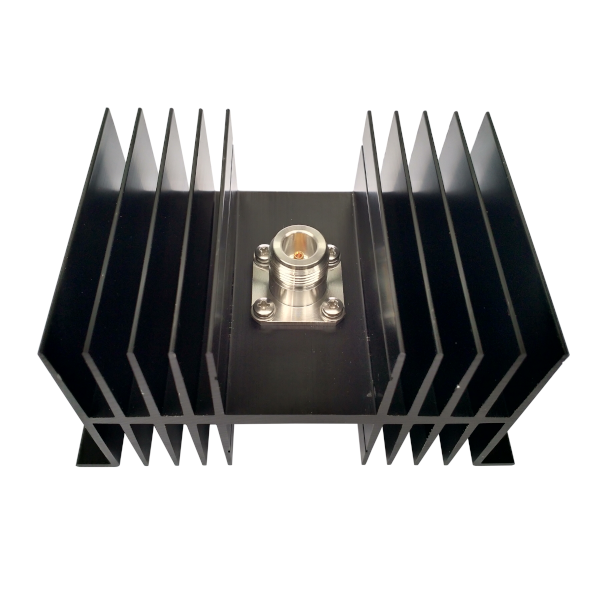
An RF termination absorbs RF energy to prevent signal reflections, typically rated at 50Ω/75Ω impedance, handling 10-100W power, used in test setups or systems to maintain signal integrity within DC-6GHz frequency ranges. Definition and Basic Function An RF termination is a simple but critical component used at the end of a transmission line to absorb

What is an RF termination Read More »

How do RF rotary joints work

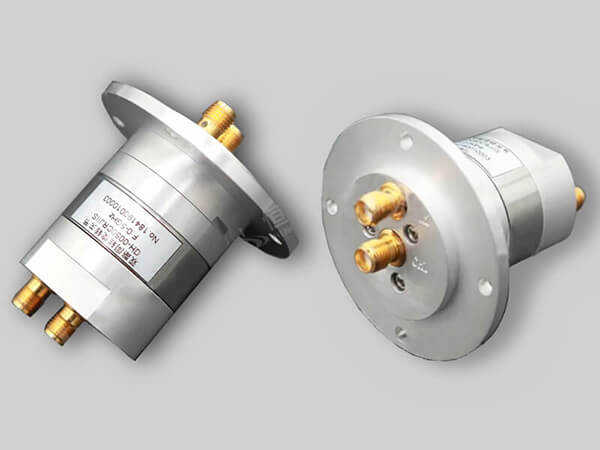
RF rotary joints transmit RF signals during rotation using sliding gold-plated contacts (12-24 channels) or capacitive coupling, maintaining <0.5dB insertion loss from DC-60GHz, enabling 360° movement in radar/communication systems without signal degradation. Basic Working Principle An RF rotary joint, often called a slip ring, is a precision electromechanical device that enables the continuous transmission of

How do RF rotary joints work Read More »

How do I choose the right coaxia attenuator

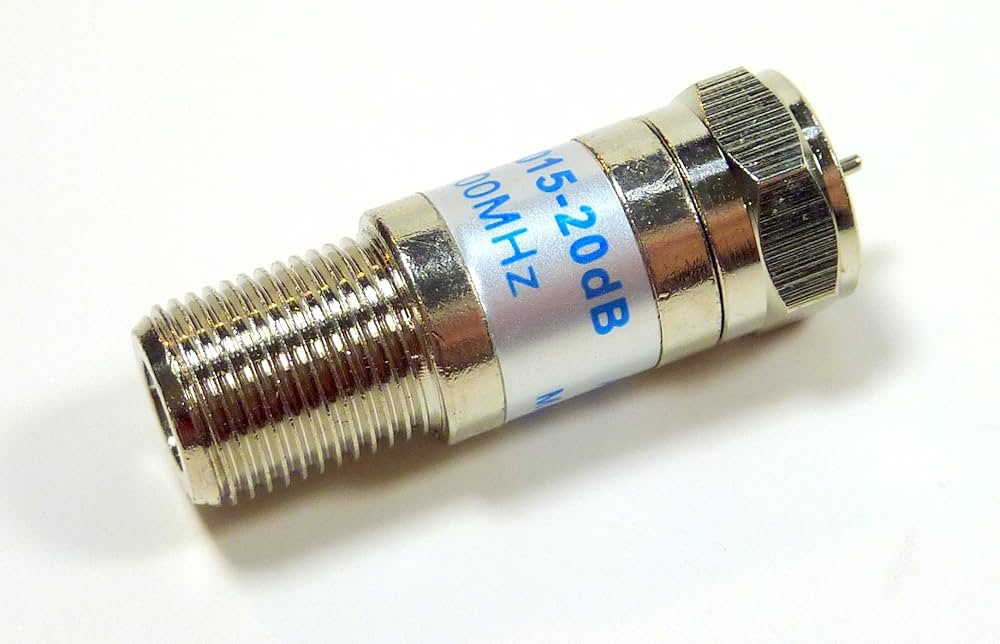
To select the right coaxial attenuator, match its frequency range (e.g., 50MHz–6GHz) to your system’s operating band. Choose attenuation (3dB/10dB) based on signal level needs; ensure power handling (≥10W CW) exceeds peak input. Prioritize low VSWR (≤1.5) for minimal reflection, and verify with a network analyzer. Opt for corrosion-resistant materials (brass/stainless steel) for durability. Understand

How do I choose the right coaxia attenuator Read More »

Scroll to Top
Blank Form (#3)