
+86 29 8881 0979

September 29, 2025

How does a microwave antenna work

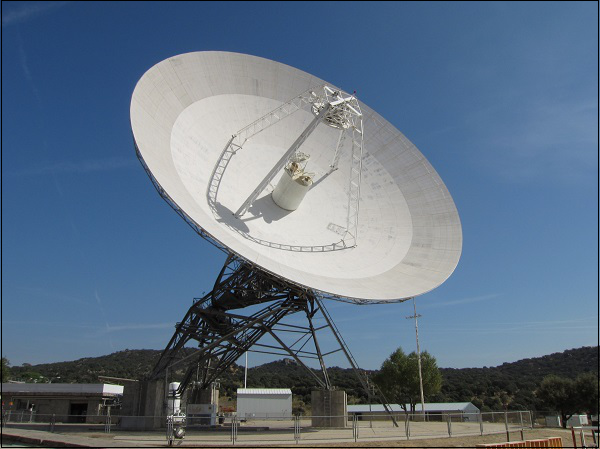
A microwave antenna transmits/receives RF signals (typically 1-300GHz) by converting electrical pulses to electromagnetic waves (Tx) or vice versa (Rx). For example, 5G mmWave antennas (24-47GHz) use patch radiators: feed lines inject 10-20dBm signals, exciting surface currents to radiate waves. With 15-20dBi gain and >80% efficiency, they focus beams (1-5° width) to boost signal strength […]

How does a microwave antenna work Read More »

How Does a Waveguide Duplexer Function in 5G Systems

A 5G waveguide duplexer isolates transmit (TX) and receive (RX) signals in mmWave bands (e.g., 24-47GHz), critical for avoiding self-interference. Using resonant cavities or E-plane filters, it achieves >50dB isolation between TX (up to 100W power) and RX (<-100dBm sensitivity), with insertion loss <1.5dB, enabling simultaneous operation in high-bandwidth (100MHz+) 5G NR links.​ What is

How Does a Waveguide Duplexer Function in 5G Systems Read More »

Scroll to Top
Blank Form (#3)