+86 29 8881 0979

September 2025

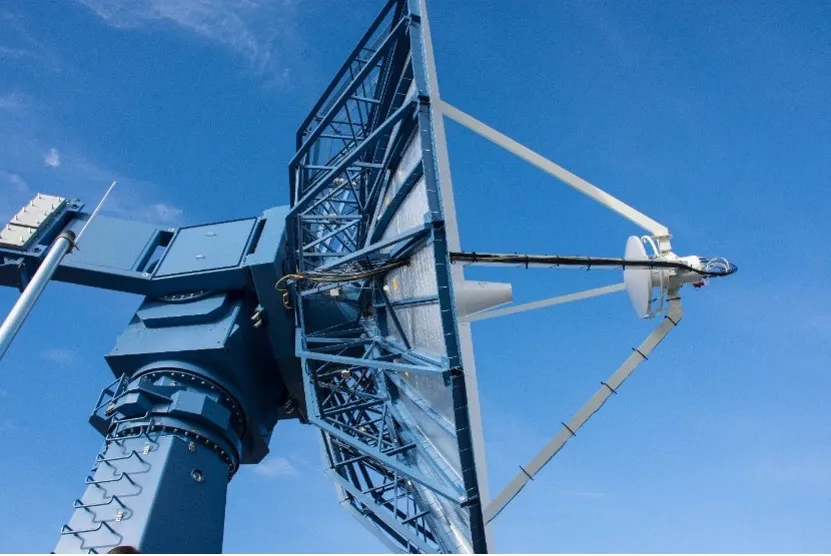
How does a microwave antenna work

A microwave antenna transmits/receives RF signals (typically 1-300GHz) by converting electrical pulses to electromagnetic waves (Tx) or vice versa (Rx). For example, 5G mmWave antennas (24-47GHz) use patch radiators: feed lines inject 10-20dBm signals, exciting surface currents to radiate waves. With 15-20dBi gain and >80% efficiency, they focus beams (1-5° width) to boost signal strength […]

How does a microwave antenna work Read More »

How Does a Waveguide Duplexer Function in 5G Systems

A 5G waveguide duplexer isolates transmit (TX) and receive (RX) signals in mmWave bands (e.g., 24-47GHz), critical for avoiding self-interference. Using resonant cavities or E-plane filters, it achieves >50dB isolation between TX (up to 100W power) and RX (<-100dBm sensitivity), with insertion loss <1.5dB, enabling simultaneous operation in high-bandwidth (100MHz+) 5G NR links.​ What is

How Does a Waveguide Duplexer Function in 5G Systems Read More »

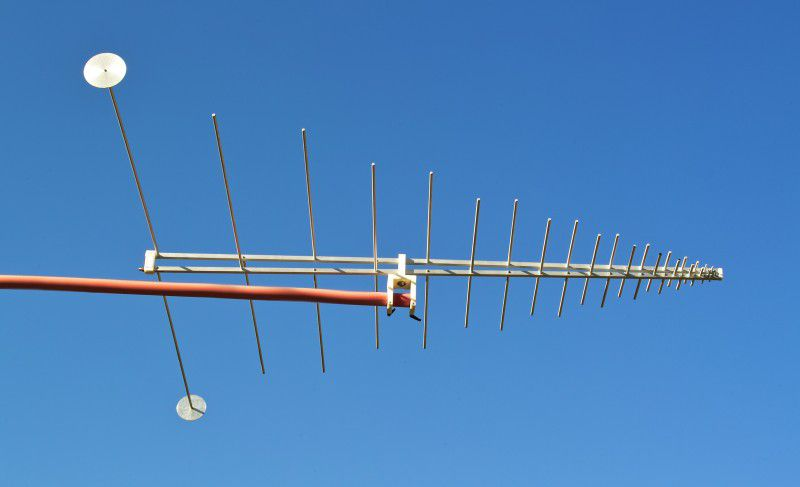
What is the use of LPDA antenna

LPDA antennas excel in wideband signal interception (70MHz–18GHz), with 10–15dBi gain; used in electronic warfare to track 5+ comms protocols simultaneously, exploiting their frequency-agnostic radiation pattern for consistent, multi-spectrum surveillance.​ How an LPDA Works A simple half-wave dipole antenna is designed to be ​​highly efficient at one specific frequency​​. For example, a dipole cut for

What is the use of LPDA antenna Read More »

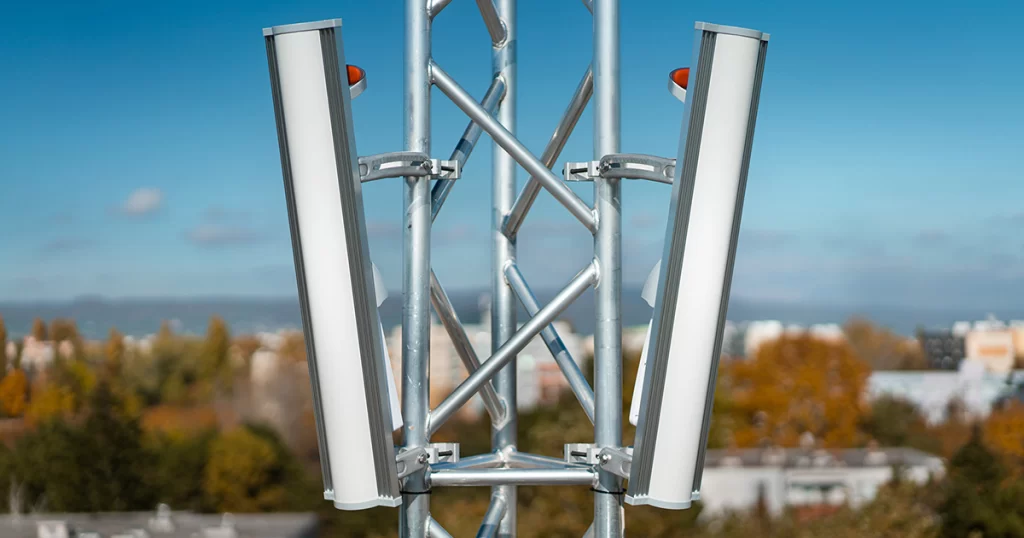
What does a sector antenna do

A sector antenna focuses wireless signals into a specific angular sector (typically 60°–120°) to cover targeted areas with high gain (15–20dBi), minimizing interference. It’s used in LTE/5G base stations and Wi-Fi networks to efficiently extend range and capacity in dense or rural areas. What is a Sector Antenna At 2.4 GHz, a standard 120° sector

What does a sector antenna do Read More »

What are the 5 Testing Methods for Antenna Components

Antenna component testing involves radiation pattern measurement (360° azimuth scan, 0.5° step, field strength logged), return loss checks (2.4-5GHz via VNA, target >10dB), gain verification (comparing to 10dBi standard horn in far-field, ratio within ±0.5dB), polarization testing (90° linear probe rotation, signal difference <3dB), and impedance matching (S11 <-10dB at center freq ±10% bandwidth using

What are the 5 Testing Methods for Antenna Components Read More »

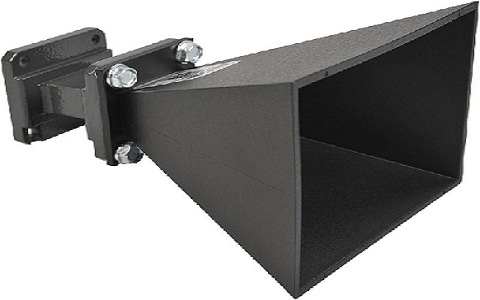
What are the 3 Main Types of Open Ended Waveguide

The three main open-ended waveguide types are rectangular (e.g., WR-90 with 22.86mm×10.16mm dimensions for 8-12GHz), circular (30mm diameter supporting TE11 mode at 3GHz), and sectoral (60° angle for directional coupling, optimized for 10-15GHz testing). ​​Standard Rectangular Waveguide Design​​ Their design is standardized by a numbering system (like WR-90), where the “WR” prefix stands for “Waveguide,

What are the 3 Main Types of Open Ended Waveguide Read More »

5 Factors to Consider When Selecting Antenna Kits

Selecting antenna kits requires evaluating frequency range (e.g., 2.4/5GHz for Wi-Fi, ±100MHz bandwidth), gain (8dBi directional vs. 2dBi omnidirectional for coverage trade-offs), 50Ω impedance matching (insertion loss <0.5dB to avoid signal degradation), environmental ratings (IP67 for dust/water, -40°C to 85°C operating temp), and MIMO compatibility (2×2/4×4 streams for throughput optimization). Frequency Range Needs ​An antenna

5 Factors to Consider When Selecting Antenna Kits Read More »

What are the 4 Main Components in Antenna Equipment

Antenna equipment primarily includes radiating elements (e.g., 20mm×20mm microstrip patches for 2.4GHz operation), feeding networks (RG-58 coaxial cables with 50Ω impedance, <0.5dB/10m loss at 1GHz), matching circuits (π-type networks using 10nH inductors and 10pF capacitors for impedance tuning), and enclosure/support structures (aluminum alloy with 237W/m·K thermal conductivity, IP67-rated for dust/water resistance). Metal Radiator Structure​​ A

What are the 4 Main Components in Antenna Equipment Read More »

5 Benefits of Using Waveguide Transfer Switches

Waveguide transfer switches deliver high RF power handling (50W+ vs. 10W coaxial), low insertion loss (<0.5dB at 10GHz), and fast switching (<10ms), with >80dB EMI shielding and MTBF >100,000 hours, ensuring reliability in radar/communication systems. Low Signal Loss Performance Waveguide transfer switches excel here, typically exhibiting an insertion loss of only ​​0.1 dB to 0.25

5 Benefits of Using Waveguide Transfer Switches Read More »

What are the 6 most common waveguide antenna failures

Common waveguide antenna failures include: oxidation (VSWR >1.8 with 0.005mm oxide layer), mechanical deformation (>0.1mm causing 0.5dB loss), moisture ingress (30% failure rise at >85% humidity), solder cracks (post -40°C/+85°C 100 cycles), frequency drift (±5ppm/°C shift), and surface scratches (>0.01mm deep reducing return loss <15dB). Physical Damage and Dents In fact, a single dent with

What are the 6 most common waveguide antenna failures Read More »

Scroll to Top
Blank Form (#3)