+86 29 8881 0979

August 15, 2025

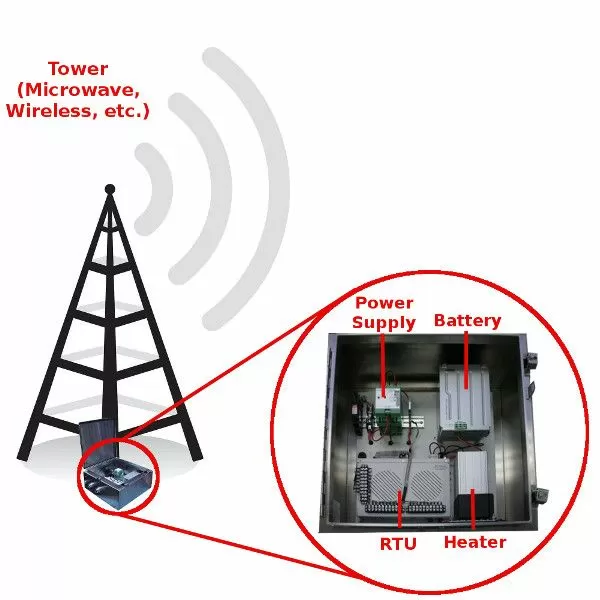
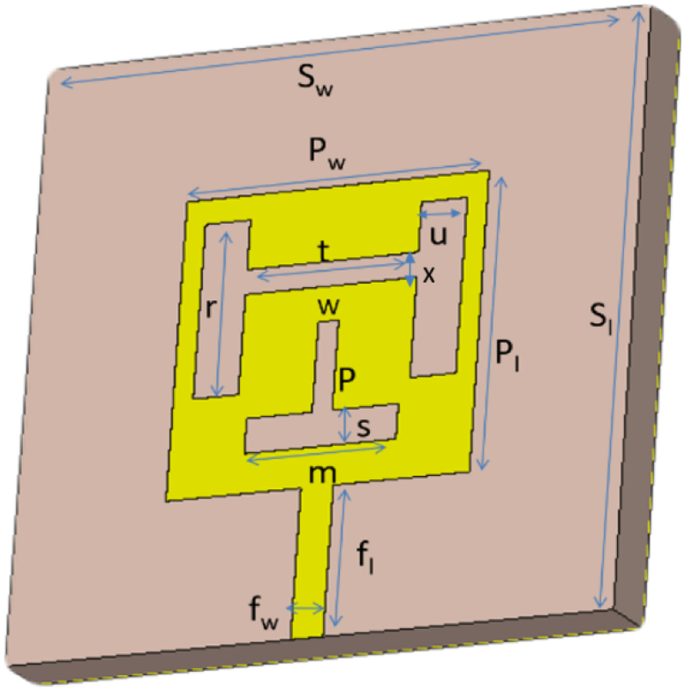
What type of antenna is used in radio waves

Dipole antennas (λ/2 length) are commonly used for radio waves, offering 1.64 dBi gain and 50-75Ω impedance, with omnidirectional radiation patterns for frequencies ranging from kHz to GHz, depending on their size and material. ​​Basic Antenna Types​​ Radio antennas come in many shapes and sizes, each designed for specific ​​frequency ranges, power levels, and applications​​. […]

What type of antenna is used in radio waves Read More »
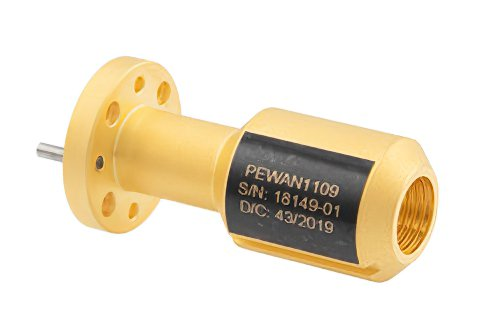
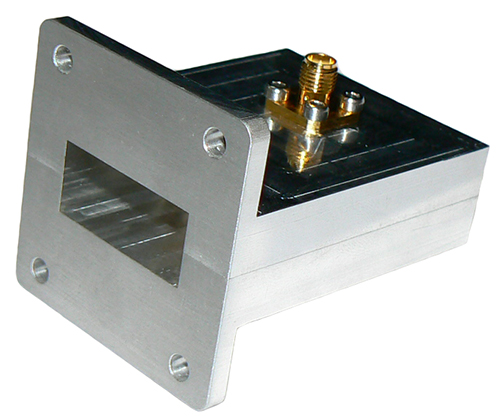
What is the rectangular to circular waveguide transition

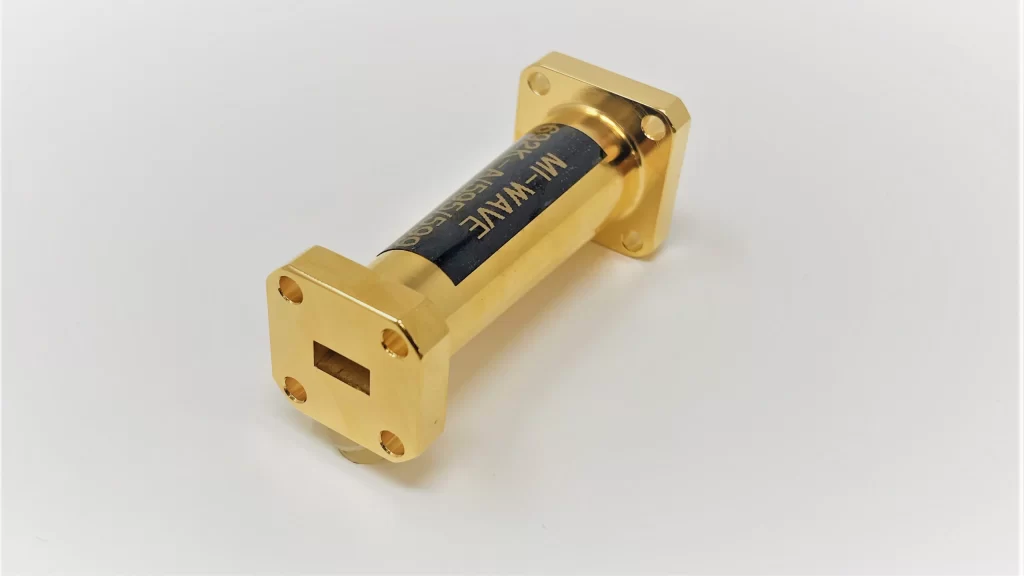
​A rectangular-to-circular waveguide transition typically uses a tapered section (e.g., 10-20λ length) to gradually transform the TE10 mode to the TE11 mode, achieving 98% efficiency with less than 0.5 dB insertion loss by precisely matching impedance and minimizing reflections through smooth geometry transitions.​ Basic Waveguide Shapes​​ Waveguides are structures that guide electromagnetic waves, commonly used

What is the rectangular to circular waveguide transition Read More »

How to integrate microwave and antenna systems | 6 tips

Ensure impedance matching (50Ω standard) to minimize signal loss, using VSWR <1.5:1 as a benchmark. Align antennas with <0.5° precision using laser tools, and verify EIRP compliance with local regulations. Use weatherproof coaxial cables (LMR-400 or better) for outdoor setups, and test bit error rate (BER) <10^-6 for optimal performance. Match Impedance for Best Power

How to integrate microwave and antenna systems | 6 tips Read More »

Microwave antenna feed horn maintenance | how often

Routine inspections should be performed ​​every 6-12 months​​, with thorough cleaning using ​​isopropyl alcohol and lint-free wipes​​ to remove dust and oxidation. Check for ​​corrosion, loose connections, or waveguide damage​​ during maintenance. In harsh environments (coastal/industrial areas), increase frequency to ​​every 3-6 months​​. Always verify ​​VSWR levels​​ post-maintenance to ensure optimal signal integrity. ​Dust and

Microwave antenna feed horn maintenance | how often Read More »

What is radar waveguide function | why it’s crucial

A radar waveguide transmits high-frequency signals (typically 2-40GHz) with minimal loss (<0.1dB/m), directing electromagnetic waves through precision aluminum channels (WR-90/112 standards). Its crucial for maintaining signal integrity in radar systems, handling kW-level power while preventing dispersion and interference, with pressurized nitrogen often used to prevent moisture-induced arcing in critical military/aerospace applications. ​​What Waveguides Do​​ Waveguides

What is radar waveguide function | why it’s crucial Read More »

Waveguide vs coaxial cable for antennas | which is better

​Waveguides outperform coaxial cables for high-frequency (5GHz+) antenna systems, offering lower signal loss (0.1dB/m vs 0.5dB/m in RG-8U at 10GHz) and higher power handling (kW range vs 300W for 1-5/8″ coax). Their rigid aluminum construction minimizes EMI interference, though requiring precise flange connections (WR-90 standard for X-band) versus coax’s flexible F-connector installations. Choose waveguides for

Waveguide vs coaxial cable for antennas | which is better Read More »

Microwave antenna feed horn types | which for radar

For radar systems, pyramidal feed horns (8-40 GHz) are common for their wide bandwidth, while conical corrugated horns (12-60 GHz) provide low sidelobes in precision tracking. Dual-mode horns optimize C/X-band (4-12 GHz) radar performance. Always match the feed horn’s polarization (linear/circular) and beamwidth to your radar’s frequency and application requirements. ​​Basic Feed Horn Designs​​ Feed

Microwave antenna feed horn types | which for radar Read More »

What are MMW antenna applications | 7 common uses

MMW (millimeter wave) antennas are widely used in 5G networks (24-100 GHz), automotive radar (77-81 GHz), and security scanners (60 GHz). They enable high-speed data transfer (up to 10 Gbps), short-range imaging (3-5 meter detection), and satellite communications (V-band). Proper alignment and material selection are critical for optimal performance. Fast Mobile Networks Millimeter-wave (MMW) antennas

What are MMW antenna applications | 7 common uses Read More »

Microwave and antenna differences | why use waveguide

​Waveguides (e.g., WR-90 for 8.2-12.4GHz) outperform coaxial cables at high frequencies (>2GHz) with lower loss (0.1dB/m vs. 0.5dB/m), higher power handling (kW range), and better shielding. They enable precise microwave signal transmission in radar (e.g., X-band) and satellite systems by minimizing dispersion and EMI. ​What is a Microwave​​ Microwaves are a type of ​​electromagnetic wave​​

Microwave and antenna differences | why use waveguide Read More »

MMW antenna frequency bands | how to choose in 5 ways

To choose MMW antenna frequency bands (24GHz-100GHz), consider application needs (e.g., 28GHz for 5G, 60GHz WiGig), propagation loss (60GHz suffers 16dB/km oxygen absorption), antenna size (higher frequencies allow smaller arrays), regulatory constraints (FCC limits 57-71GHz), and hardware availability (24/28GHz chips are more mature). Test with VNA for impedance matching (SWR<2) and verify beamwidth via pattern

MMW antenna frequency bands | how to choose in 5 ways Read More »

Scroll to Top
Blank Form (#3)