
+86 29 8881 0979

July 31, 2025

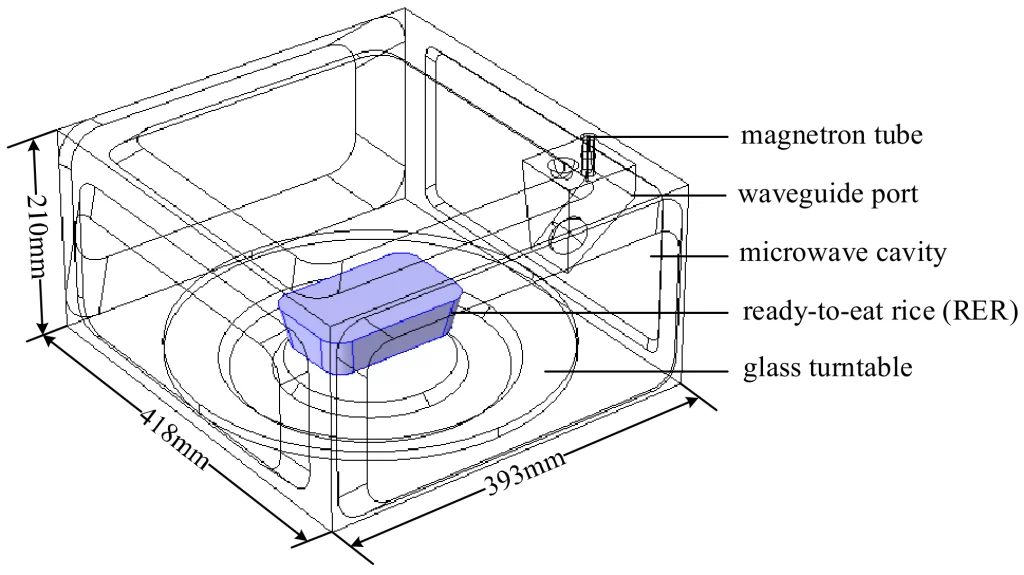
How to test microwave oven waveguide safety | 4 steps

To test microwave oven waveguide safety, first inspect for physical damage (dents/corrosion) using a flashlight. Next, check continuity with a multimeter (resistance <1Ω). Then, perform a microwave leakage test (≤5 mW/cm² at 5 cm) using a calibrated detector. Finally, verify arcing by running the oven empty for 30 sec—abnormal sparks indicate failure. Check for visible […]

How to test microwave oven waveguide safety | 4 steps Read More »
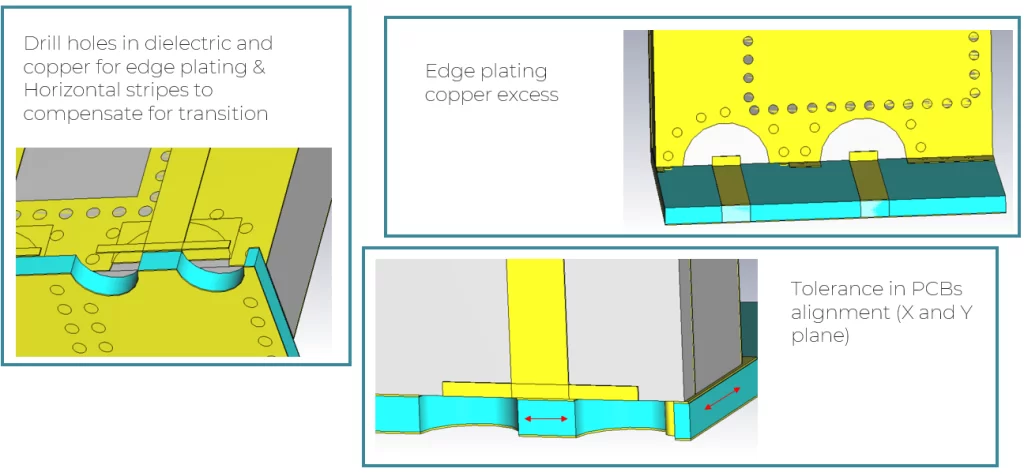
MMW antenna design challenges | what are 7 fixes

Millimeter-wave (mmWave) antenna design faces challenges like high path loss (60–100 dB/km at 28/60 GHz), which is mitigated using high-gain arrays (20–30 dBi). Surface wave interference is reduced via substrate-integrated waveguides (SIW), while PCB tolerances (±5µm) require laser etching. Beam squint is corrected with true-time-delay (TTD) networks, and thermal drift is managed via low-CTE materials

MMW antenna design challenges | what are 7 fixes Read More »

How to choose radar horn antenna | 7 key factors

​When selecting a radar horn antenna, prioritize frequency range (e.g., 8–40 GHz for precision), gain (15–25 dBi for long-range), and beamwidth (10°–60° for coverage). Consider material (aluminum for lightweight, copper for conductivity), polarization (linear/circular), VSWR (<1.5:1 for efficiency), and environmental rating (IP67 for harsh conditions). Validate with 3D EM simulations before deployment. ​ Size and Frequency

How to choose radar horn antenna | 7 key factors Read More »

Scroll to Top
Blank Form (#3)