+86 29 8881 0979

June 27, 2025

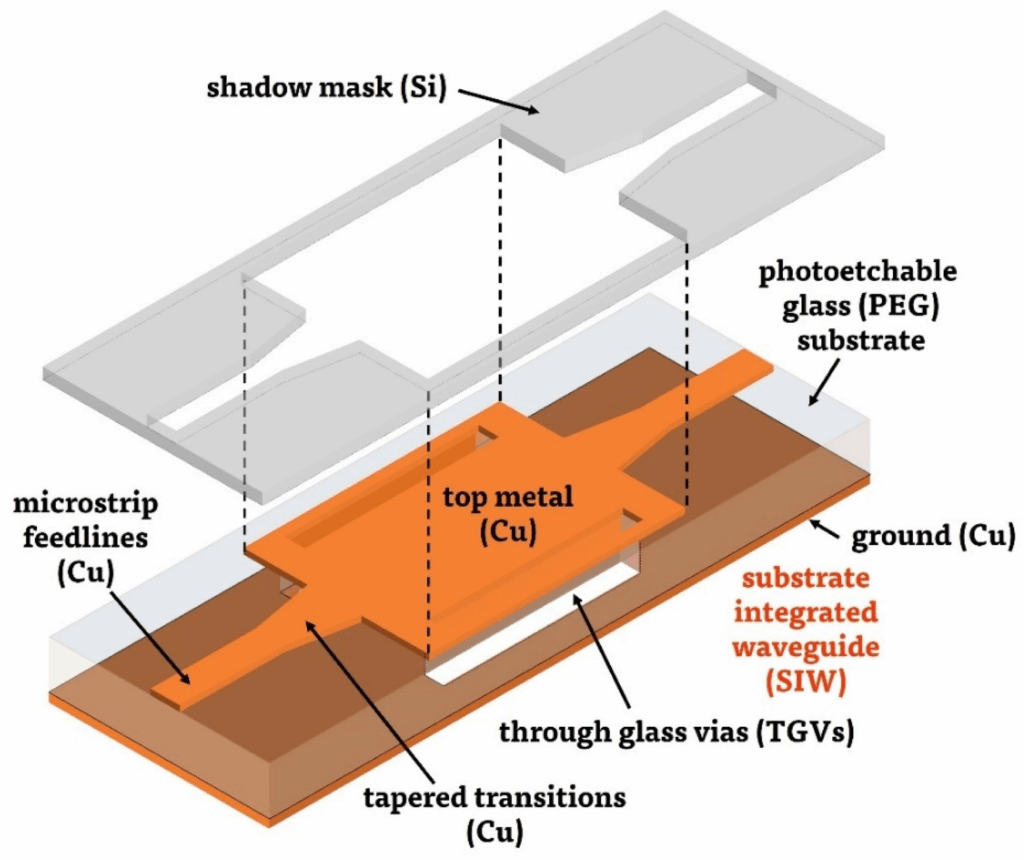
Waveguide Fabrication processes | 3 methods overview

Waveguide fabrication employs three primary methods: precision machining, electroforming, and extrusion. CNC milling achieves ±5μm tolerances for aerospace-grade aluminum WR-90 waveguides, while electroforming builds nickel-plated copper structures layer-by-layer for complex shapes with 0.1μm surface finish. Extrusion produces cost-effective aluminum waveguides in bulk (up to 6m lengths) with ±50μm dimensional accuracy, though requiring post-machining for critical […]

Waveguide Fabrication processes | 3 methods overview Read More »
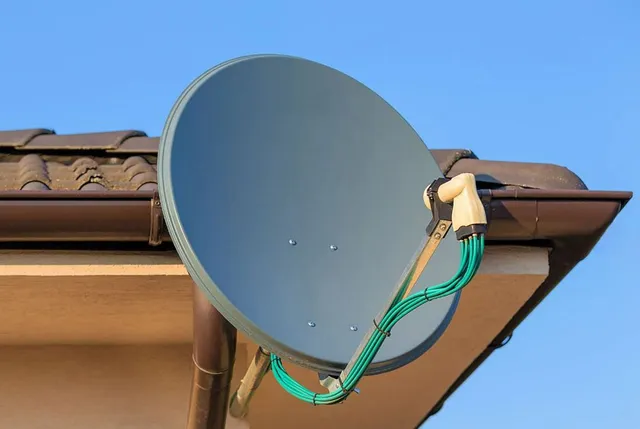
High Performance Antenna maintenance | 4 care tips

High-performance antennas require regular maintenance to ensure optimal signal integrity and longevity. Clean connectors quarterly with isopropyl alcohol and lint-free swabs to prevent oxidation (losses can exceed 0.5 dB from dirty contacts). Inspect radomes every 6 months for cracks causing up to 3 dB signal loss. Torque all bolts to manufacturer specs (typically 5-7 Nm

High Performance Antenna maintenance | 4 care tips Read More »

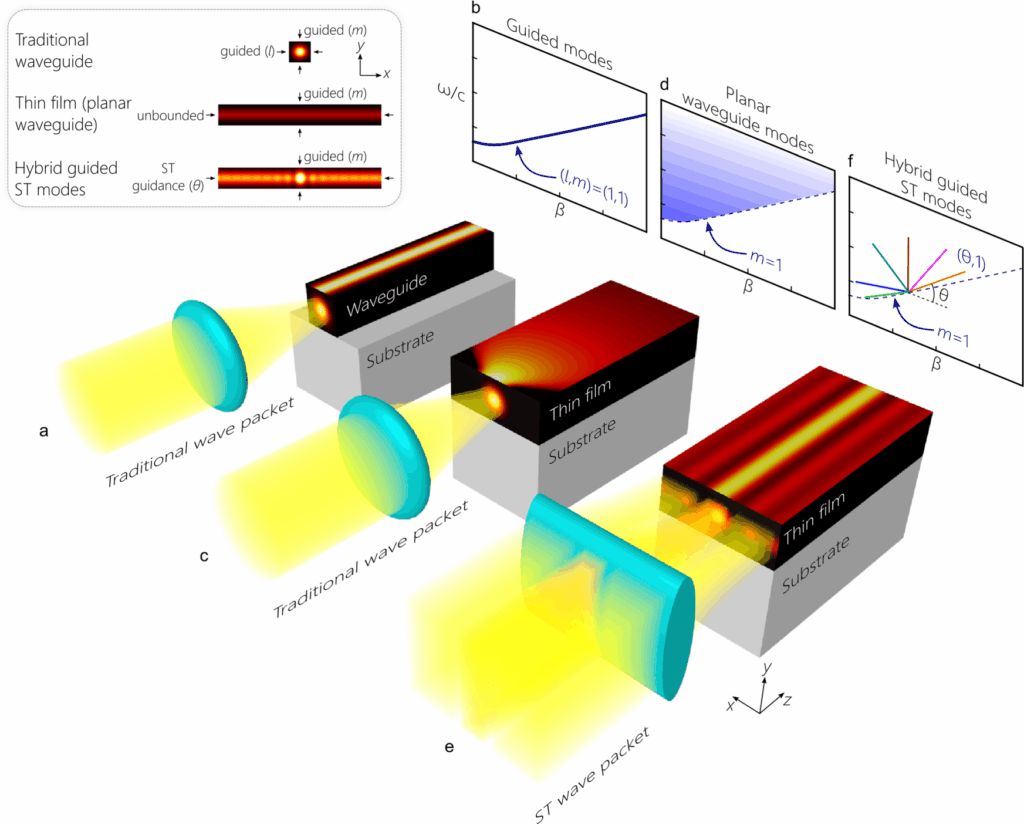
Waveguide Theory basics | 5 concepts for beginners

Waveguide theory explores how electromagnetic waves propagate through hollow or dielectric structures. Key concepts include cutoff frequency (e.g., 3.75 GHz for WR-90 waveguide), where waves below this frequency attenuate. Dominant TE10 mode has the lowest cutoff. Wave impedance (e.g., 450Ω for TE10) varies with frequency. Practical operation requires proper coupling (using probes or loops) and

Waveguide Theory basics | 5 concepts for beginners Read More »

Scroll to Top
Blank Form (#3)