+86 29 8881 0979

September 18, 2025

What is the difference between Yagi and Omni antenna

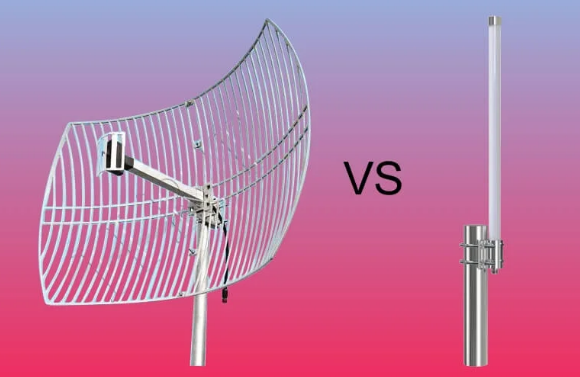
Yagi antennas are directional, with a driven element, reflector, and directors, offering 10–15dBi gain at 2.4GHz for focused point-to-point links. Omni antennas radiate uniformly horizontally (2–5dBi gain), suited for area coverage; Yagi typically operates 400MHz–6GHz, Omni 30MHz–6GHz, differing in pattern and use case. How They Send and Receive Signals A Yagi antenna, like a flashlight, […]

What is the difference between Yagi and Omni antenna Read More »
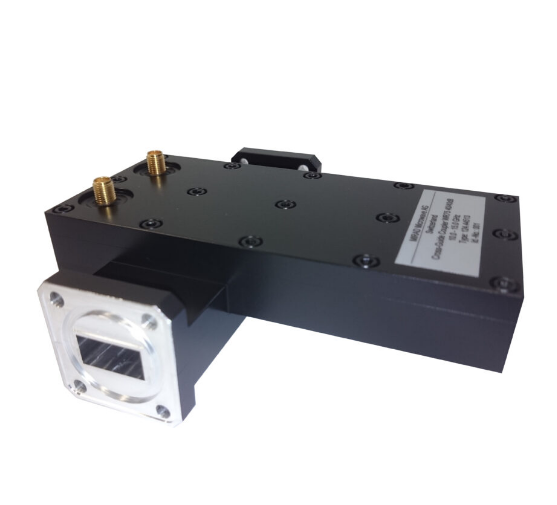
What is the material of a directional coupler

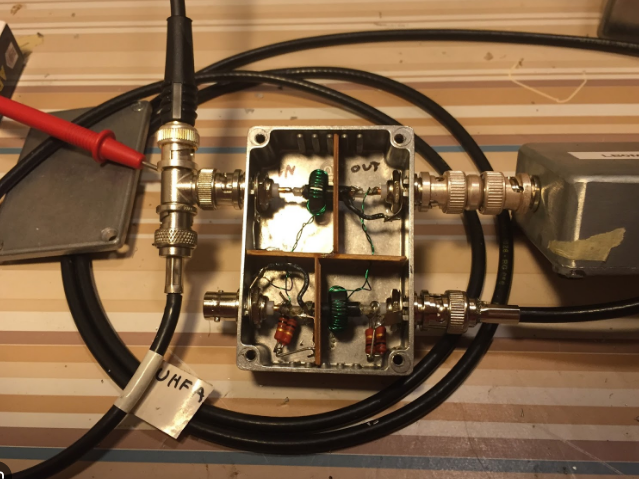
Directional couplers commonly use brass (copper-zinc alloy, 60–70% Cu) for housings for conductivity, PTFE (εr≈2.1, tanδ<0.001) for high-frequency PCB substrates, or ceramic (Al₂O₃, εr≈9.8) for power handling, balancing loss and thermal stability. Common Materials Used A 1 dB increase in insertion loss can degrade system performance by 20%, making low-loss materials non-negotiable for high-frequency applications.

What is the material of a directional coupler Read More »

What is the function of coupler antenna

Coupler antennas integrate signal routing and isolation functions, enabling power division (e.g., 10–20dB splits) or sampling (insertion loss <0.3dB) between transmit/receive paths while maintaining >25dB isolation at 2–18GHz to minimize interference, optimizing RF system efficiency. Connecting Two Devices Wirelessly A common challenge in RF systems is efficiently transferring a signal from a primary transmitter to

What is the function of coupler antenna Read More »

What are the different types of cable ends

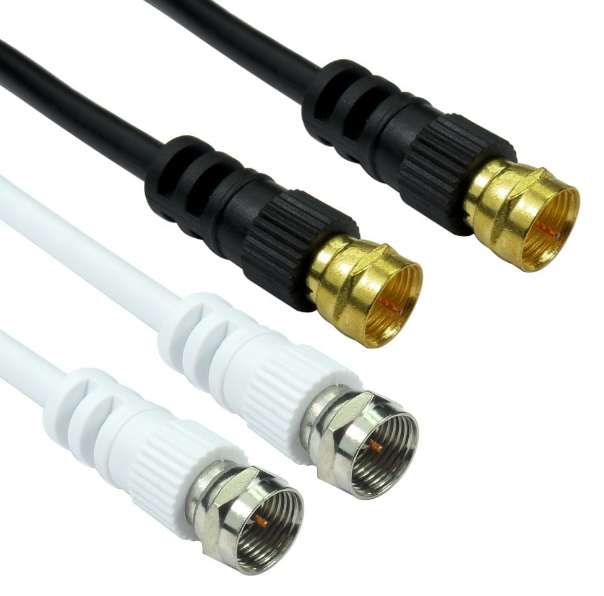
Cable ends include crimped (with 5-15N pull-off force for 18-22AWG wires, common in automotive vibrations), soldered (300-400°C soldering iron, <0.1mΩ contact resistance for precision electronics), insulation displacement (IDC, piercing 22-10AWG insulation without stripping, 10Gbps data transmission), and threaded (M3-M6 terminals, 0.5-2N·m torque for industrial equipment, vibration-resistant). USB Types and Uses USB connectors are one of

What are the different types of cable ends Read More »

What is the limit of C-Band

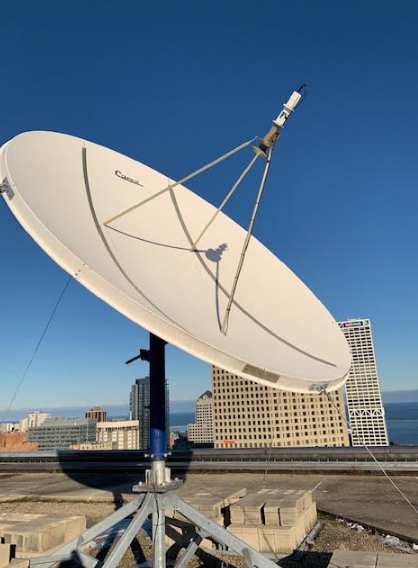
The C-band, defined by ITU as 4-8 GHz, faces practical limits: rain fade at 100mm/h induces 0.5-1dB/km loss at 6GHz, impacting satellite links (uplink 5.925-6.425GHz, downlink 4.6-5.0GHz). Antenna gain (30-40 dBi for 3-6m dishes) and LNA noise figures (0.5-1.5dB) constrain sensitivity, while physical size limits high-gain use in compact systems. Defining C-Band Frequency Range The

What is the limit of C-Band Read More »

Scroll to Top
Blank Form (#3)