+86 29 8881 0979

September 25, 2025

RF Bands

The Ultimate Guide to RF Bands: Everything You Need to Know

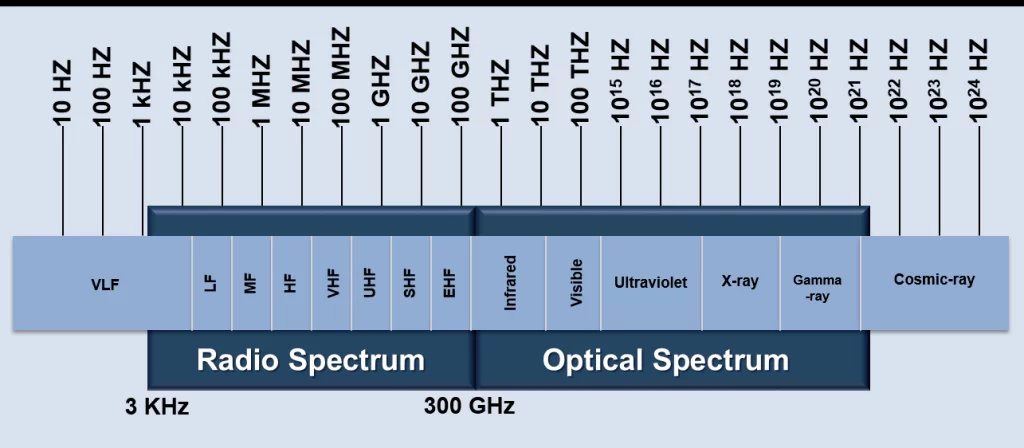
RF bands span LF (30-300kHz, e.g., NDB navigation) to 5G mmWave (24-100GHz, 20dB/km loss driving small-cell densification). HF (3-30MHz, 10-100m waves) supports global shortwave; GPS L1 (1575MHz) hits 5m accuracy—physics like path loss and antenna size define each band’s role. What Are RF Bands? The entire RF spectrum is officially defined as waves with ​​frequencies […]

The Ultimate Guide to RF Bands: Everything You Need to Know Read More »
6 sources of radio waves

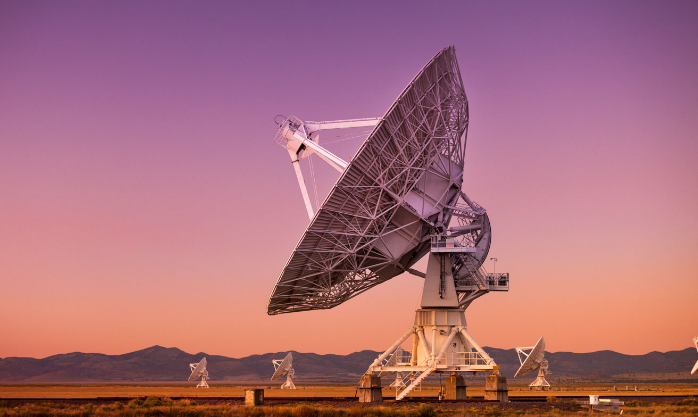
Radio waves stem from lightning (10-100kHz, peak power 1GW), solar flares (1GHz bursts hit 10¹⁵W), cell towers (800MHz-2.6GHz, 10-40W output), weather radars (X-band 8-12GHz, 1MW pulses), Wi-Fi routers (2.4GHz, 0.1-1W), and thermal emissions (body heat radiates ~0.001W/m² at 10GHz).​ The Sun and Solar Activity When we think of the Sun, we usually picture the intense

6 sources of radio waves Read More »

5 Things radio waves and microwaves have in common

Radio waves and microwaves both propagate at 3×10⁸m/s, obey reflection/refraction (e.g., 99% reflect off copper), suffer atmospheric loss (oxygen absorbs 60GHz microwaves like HF radio in ionosphere), and enable comms—Wi-Fi (2.4GHz) or FM (100MHz)—via amplitude/frequency modulation. Same Family, Different Energy They are fundamentally the same type of energy—oscillating electric and magnetic fields—and they both travel

5 Things radio waves and microwaves have in common Read More »

Unlocking the Secrets of GOES Satellite Frequency: Everything You Need to Know

GOES satellites use L-band (1690-1710MHz, e.g., GOES-18’s 1698MHz downlink at 12Mbps) and S-band (137.9125MHz telemetry) to relay storm imagery, solar X-rays—frequencies optimized for low interference, enabling real-time weather monitoring across the Americas. ​​What is the GOES Satellite?​​ They are positioned in a ​​geostationary orbit​​, approximately ​​35,786 kilometers (22,236 miles) above the Earth’s equator​​. At this

Unlocking the Secrets of GOES Satellite Frequency: Everything You Need to Know Read More »
flexible waveguide price

The Ultimate Guide to Understanding Flexible Waveguide Price: How to Find the Best Deals and Save Money

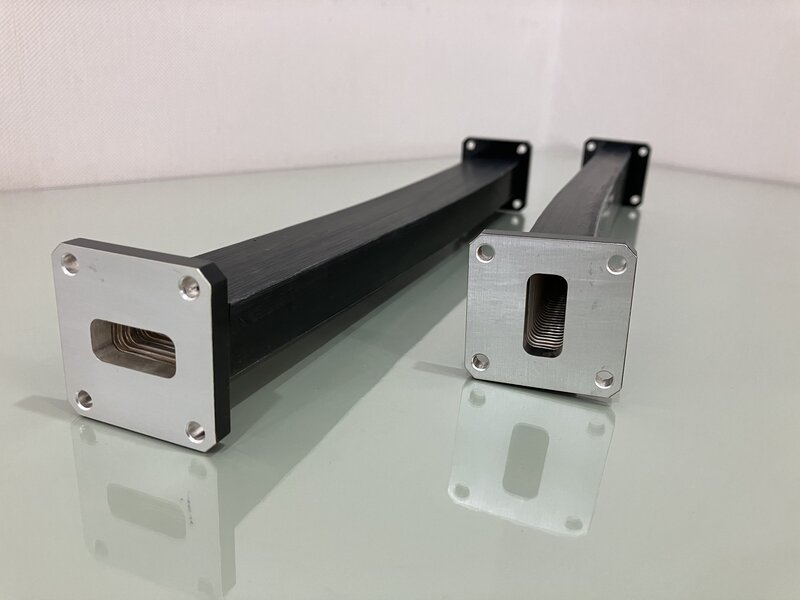
Flexible waveguide prices hinge on materials—silver-plated X-band (8-12GHz) costs 20-30% more than copper—and length: 1m standard units save 10% vs custom. Bulk orders (≥10pcs) slash per-unit cost by 15%; compare via RF supplier portals or direct manufacturer quotes for optimal savings. ​What is a Flexible Waveguide? A flexible waveguide is a specialized pipe for guiding

The Ultimate Guide to Understanding Flexible Waveguide Price: How to Find the Best Deals and Save Money Read More »

Exploring the science of extremely low frequency phenomena.

Exploring extremely low frequency (ELF, 3-300Hz) phenomena involves analyzing natural sources like lightning-induced pulses (1-100Hz, 100kV/m fields) and artificial systems (e.g., submarine comms at 70-150Hz, 200km wavelength), using magnetometers for field measurements and underground antennas to study propagation through conductive media like Earth’s crust. What Are ELF Waves? Extremely Low Frequency (ELF) waves are electromagnetic

Exploring the science of extremely low frequency phenomena. Read More »

Wavegude-to-Coaxial-Adapter

Guide on waveguide to coaxial adapters and benefits

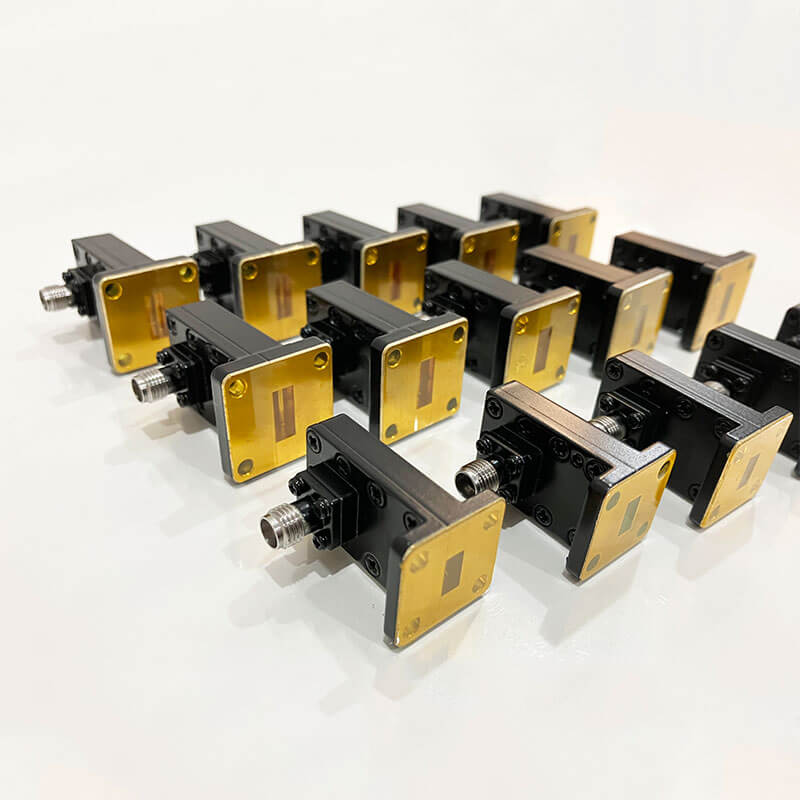
Waveguide-to-coaxial adapters, such as WR-90 (8-12GHz) to RG-58 (50Ω), facilitate RF signal transfer with <0.3dB insertion loss and VSWR <1.2. Constructed from stainless steel (-55°C to 125°C), they handle 50W+ power, ensuring low-loss, reliable connections in microwave systems like radar or test setups. What They Are and How They Work In practice, this is critical

Guide on waveguide to coaxial adapters and benefits Read More »

What is a waveguide circulator in a microwave

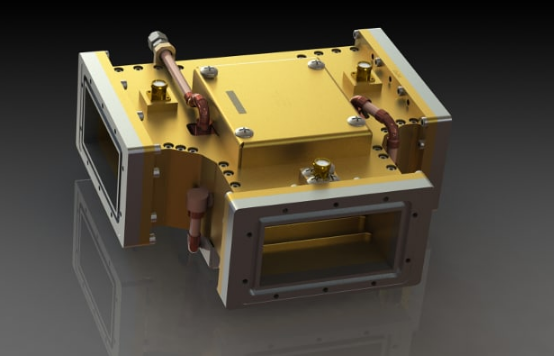
A waveguide circulator in microwaves uses ferrite materials and Faraday rotation to direct RF signals unidirectionally (e.g., 8-12GHz X-band) with <0.5dB insertion loss and >20dB isolation, handling 50W+ CW power to protect transmitters in radar/transceiver systems by preventing reflected signal damage. What It Is and Main Jobs A typical commercial C-band (4-8 GHz) radar circulator

What is a waveguide circulator in a microwave Read More »

Why do satellites use high frequency

Satellites use high frequencies (e.g., Ku/Ka bands, 12–40GHz) for wider bandwidth (hundreds of MHz vs. tens in L-band), enabling higher data rates; shorter wavelengths allow compact antennas, reducing launch weight while minimizing terrestrial interference. Why High Frequency Matters High-frequency bands, typically classified as those above 3 GHz, such as Ku-band (12–18 GHz) and Ka-band (26.5–40

Why do satellites use high frequency Read More »

How to design an antenna for a specific frequency

Design an antenna for a specific frequency (e.g., 2.4GHz) by calculating length via f=2Lc​ (≈6.25cm for dipole), adjusting for dielectric (FR4 εr​≈4.3) to shorten, and matching impedance to 50Ω via feed point or transformer for efficient radiation. Choose Your Target Frequency For instance, a Wi-Fi router operating at 2.4 GHz has a fundamentally different antenna

How to design an antenna for a specific frequency Read More »

Scroll to Top
Blank Form (#3)