+86 29 8881 0979

September 13, 2025

What are the 7 radio waves

The 7 radio waves span ELF (3-30Hz, submarine comms), SLF (30-300Hz, underground), ULF (300-3kHz, geophysics), VLF (3-30kHz, nav beacons), LF (30-300kHz, AM), MF (300-3MHz, AM), HF (3-30MHz, shortwave), each with distinct propagation for specialized uses. Radio Waves in Broadcasting Today, ​​over 44,000 licensed radio stations​​ operate globally, with the ​​AM band (530–1700 kHz)​​ and the […]

What are the 7 radio waves Read More »
What messes with radio waves

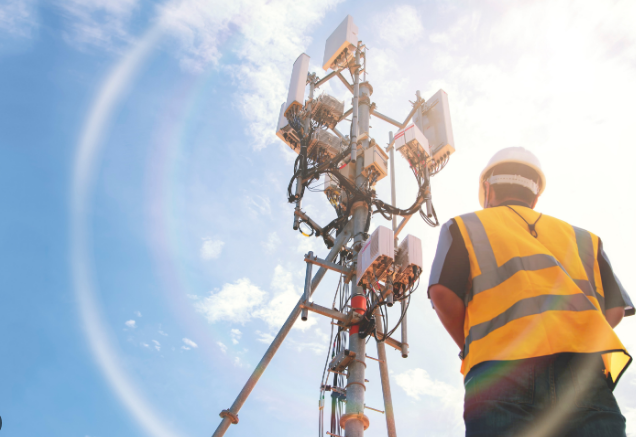
Rainfall attenuates radio waves, with Ku-band signals losing 10-15 dB during heavy storms; concrete buildings block signals, causing over 20 dB loss in cities. Nearby Wi-Fi (2.4 GHz) or Bluetooth devices introduce noise, reducing clarity by up to -30 dBm. Tall Buildings Block Signal Radio signals, especially those above 1 GHz like 5G (which often

What messes with radio waves Read More »

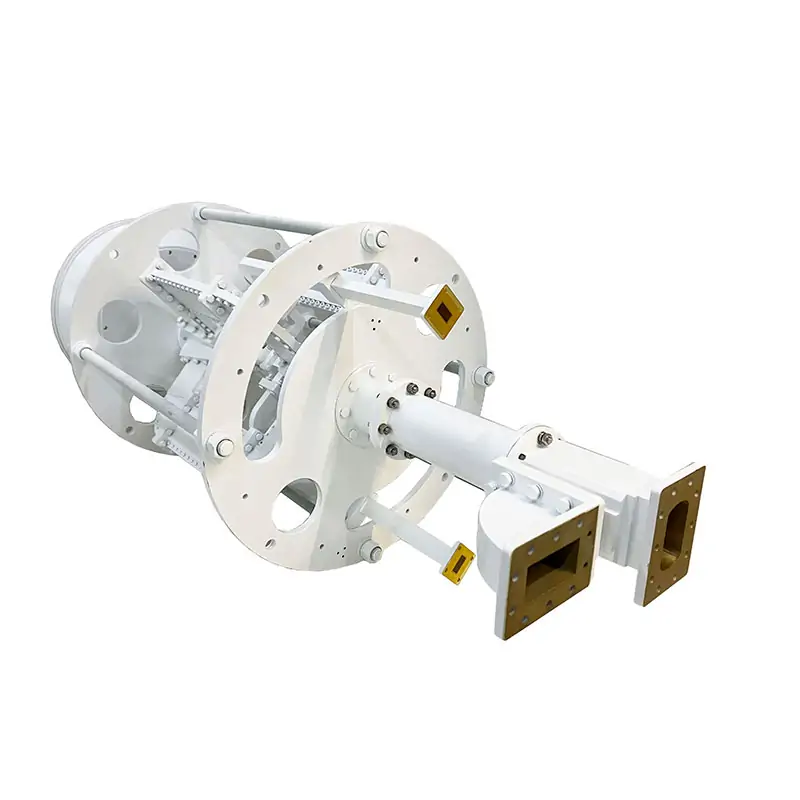
Introducing the High Power Differential Phase Shift WG Circulator

The High Power Differential Phase Shift WG Circulator operates in X-band (8-12 GHz), supporting 500W peak input power with <0.5 dB insertion loss and >40 dB isolation. Its optimized ferrite structure minimizes phase error to ±2°, ensuring stable signal routing in high-power radar systems. What It Is and How It Works A High Power Differential

Introducing the High Power Differential Phase Shift WG Circulator Read More »

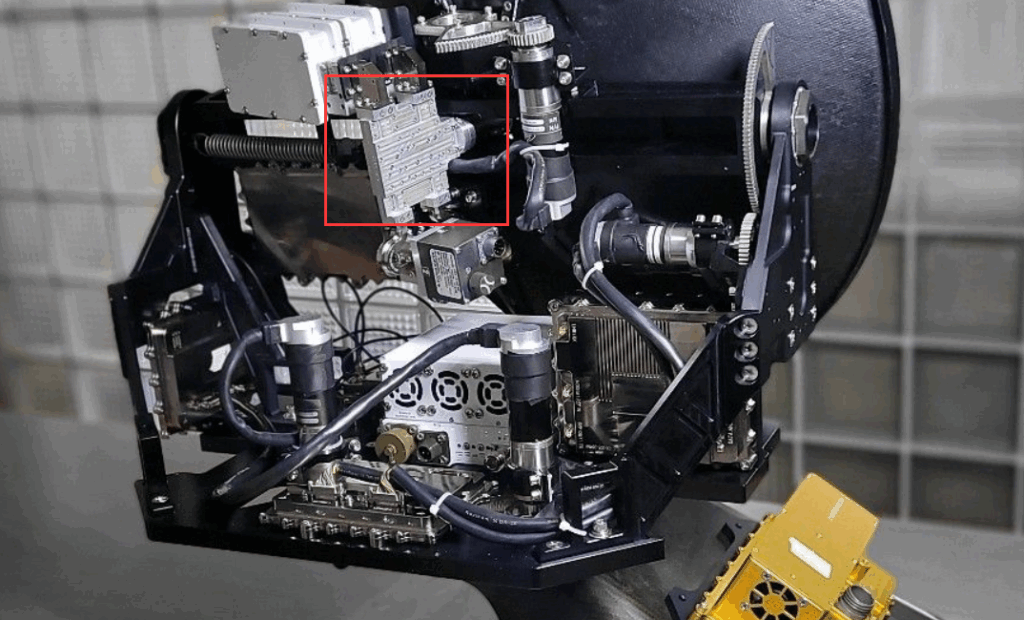
Ka-Band 4-Port Diplexer with Circular Polarization for Antenna Networks

The Ka-band 4-port duplexer supports circular polarization and is suitable for antenna networks. The frequency range is usually 26.5 to 40 GHz. It can achieve efficient merging and separation of multi-path signals, ensuring a transmission rate of more than 10 Gbps. The polarization direction must be accurately calibrated during installation to optimize performance. Ka-band Characteristics

Ka-Band 4-Port Diplexer with Circular Polarization for Antenna Networks Read More »

Scroll to Top
Blank Form (#3)