+86 29 8881 0979

March 11, 2025

How are waveguides different from normal two wire transmission lines

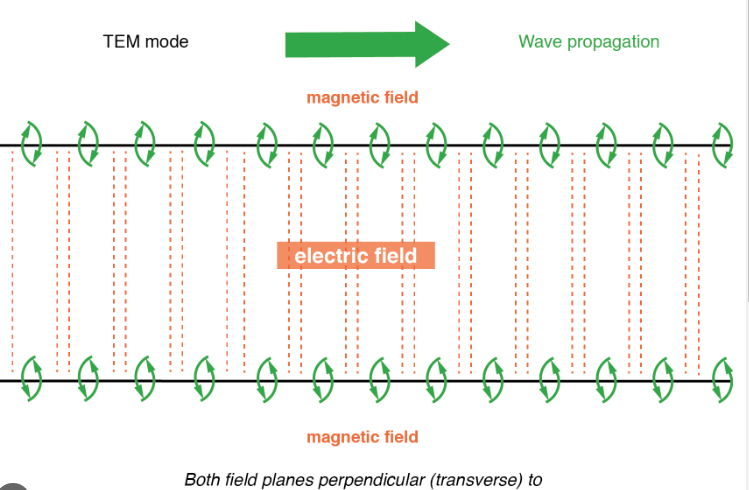
Waveguides transmit microwave signals (1-300 GHz) as electromagnetic waves through hollow metal tubes, unlike two-wire lines that carry lower-frequency currents (DC-3 GHz). They offer lower loss (0.1 dB/m vs. 0.5 dB/m at 10 GHz), handle higher power (MW range), and have precise cutoff frequencies (e.g., WR-90 waveguide operates at 8.2-12.4 GHz). Installation requires careful flange

How are waveguides different from normal two wire transmission lines Read More »

What are the five parameters of dipoleantenna

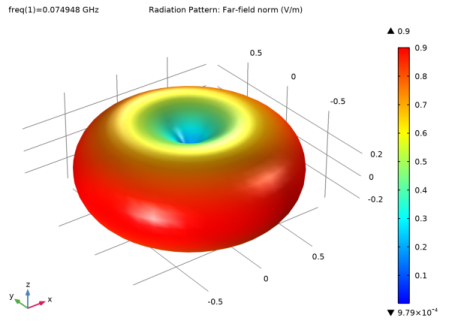
The dipole antenna’s five key parameters are length (typically λ/2, e.g., 2.44m for 60MHz), impedance (73Ω at resonance), bandwidth (5-10% of center frequency), radiation pattern (omnidirectional in H-plane), and gain (2.15dBi). For optimal performance, ensure precise length adjustment (±1% tolerance), proper conductor thickness (1-5mm for HF bands), and balanced feed (50Ω coaxial with balun). The

What are the five parameters of dipoleantenna Read More »

Scroll to Top
Blank Form (#3)