+86 29 8881 0979

July 30, 2025

6 specific aspects of arcing in waveguides

Waveguide arcing involves six key aspects: breakdown voltage (typically 10-30 kV/mm), surface roughness (Ra <0.4 μm recommended), gas pressure (maintain <10^-3 Torr), material purity (99.95% aluminum preferred), RF power density (keep below 5 kW/cm²), and proper conditioning (gradual power increase over 2-4 hours). Proper waveguide cleaning with alcohol and strict particulate control (<100 particles/ft³) are […]

6 specific aspects of arcing in waveguides Read More »

How are waveguides different from normal two wire transmission lines

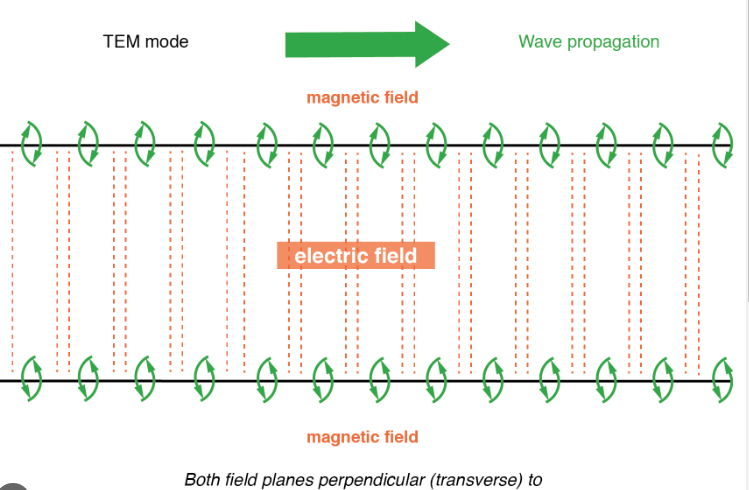
Waveguides transmit microwave signals (1-300 GHz) as electromagnetic waves through hollow metal tubes, unlike two-wire lines that carry lower-frequency currents (DC-3 GHz). They offer lower loss (0.1 dB/m vs. 0.5 dB/m at 10 GHz), handle higher power (MW range), and have precise cutoff frequencies (e.g., WR-90 waveguide operates at 8.2-12.4 GHz). Installation requires careful flange

How are waveguides different from normal two wire transmission lines Read More »

Scroll to Top
Blank Form (#3)