+86 29 8881 0979

April 24, 2025

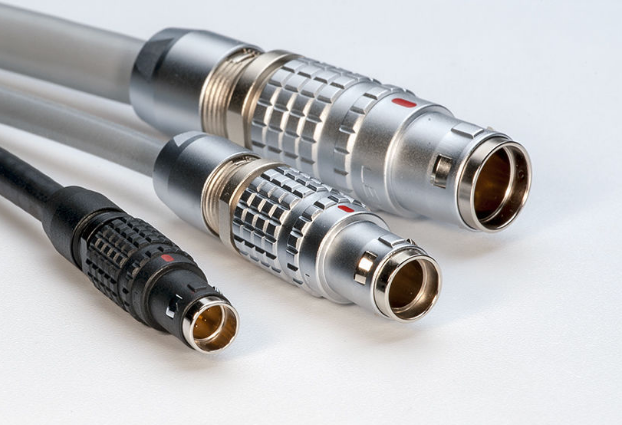
What are the 3 types of cable connectors

HDMI 2.1 supports 48Gbps bandwidth (UHBR certified cable + 16b/18b encoding is required); RJ45 Cat8 cable requires Fluke DSX-8000 to verify impedance (95-105Ω) for 40Gbps transmission; coaxial RG-6U uses fluoroplastic dielectric (dielectric constant 1.8), with attenuation ≤1.8dB/100m@3GHz. HDMI Audio-Video Direct Connection Last year while debugging the Ku-band transponder of AsiaSat 7, I encountered a bizarre […]

What are the 3 types of cable connectors Read More »

Dolphmicrowave

Top 7 Antenna Satcom Manufacturers of 2024

The top 7 satcom antenna manufacturers in 2024 include Hughes Network Systems (high-throughput GEO terminals), Viasat (multi-orbit Ka-band systems), Cobham SATCOM (marine & aviation antennas), Gilat Satellite Networks (phased-array tech), Comtech Telecommunications (ruggedized MIL-STD solutions), Kymeta (flat-panel e-scan antennas), and Intellian (5G-integrated VSAT). These leaders deliver >50% market share in commercial/military satcom, with innovations like

Top 7 Antenna Satcom Manufacturers of 2024 Read More »

Why can industrial microwaves have metal in them

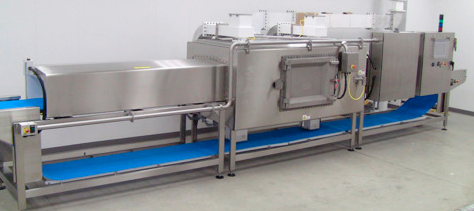
Industrial microwaves safely use ​​metal components (e.g., stirrers, conveyor belts)​​ because they operate at ​​carefully tuned frequencies (915MHz or 2.45GHz)​​ where metal reflects rather than absorbs microwaves, preventing arcing. Their ​​larger cavities (30-100L vs. home 20L)​​ distribute energy evenly, while ​​rounded edges and grounded shielding​​ minimize hotspots. Unlike home microwaves, they incorporate ​​faraday cage principles​​

Why can industrial microwaves have metal in them Read More »

Will 2 antennas work together

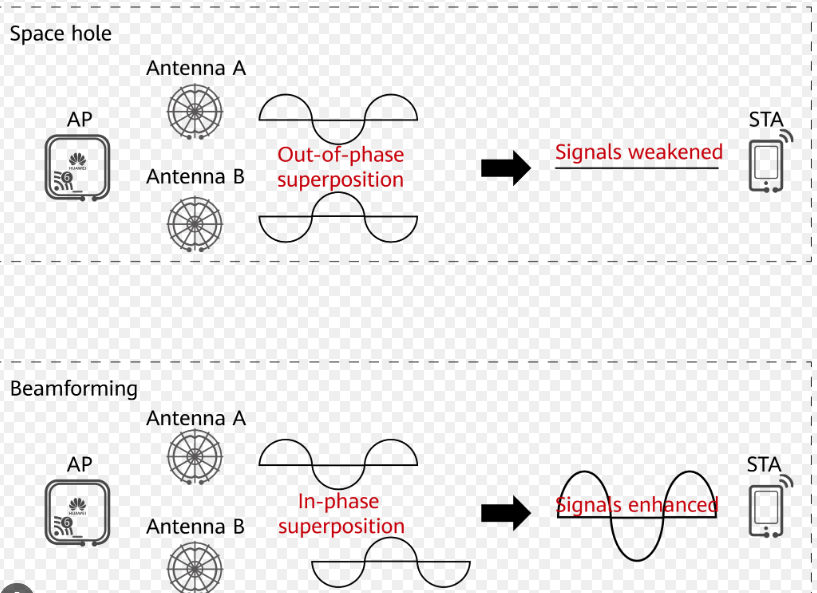
Dual antennas can work together (such as MIMO or relay), and need to be in the same frequency band (e.g. 2.4GHz±50MHz), with a spacing ≥ half a wavelength (6.25cm at 2.4GHz). Orthogonal polarization or isolator (isolation>20dB) to prevent interference, phase shifter to adjust the phase (within ±30°), combiner needs 50Ω impedance matching to ensure signal

Will 2 antennas work together Read More »

Why are bigger antennas better

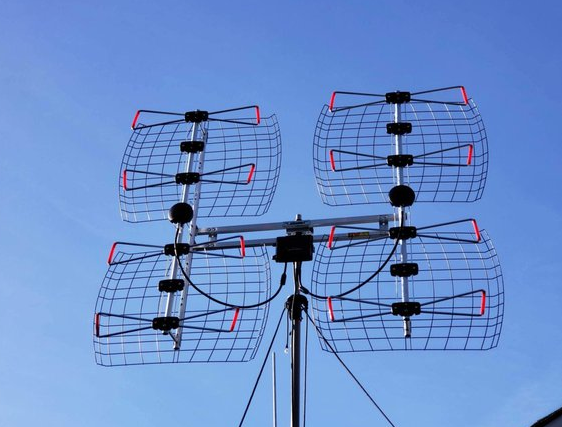
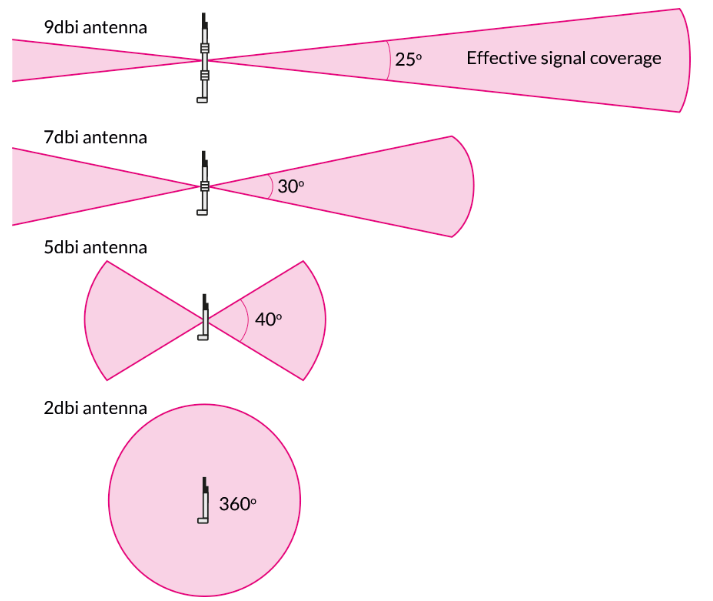
Larger antennas generally perform better because their ​​physical size directly correlates with wavelength reception​​, improving ​​gain (3-10dB higher than compact antennas)​​ and ​​signal-to-noise ratio​​. For example, a ​​¼-wave VHF antenna (1.5m tall)​​ captures weaker signals more effectively than a ​​5cm stub antenna​​. Bigger antennas also provide ​​wider bandwidth (e.g., 20-30% increase)​​ and reduce multipath interference

Why are bigger antennas better Read More »

Which type of antenna gives highest gain

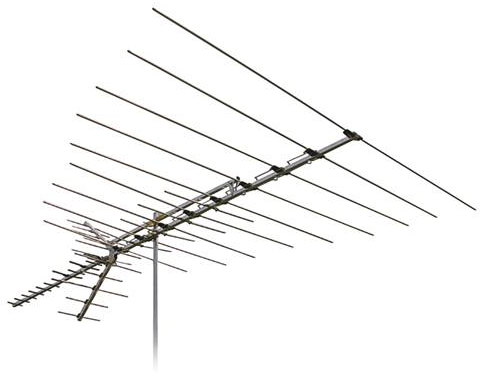
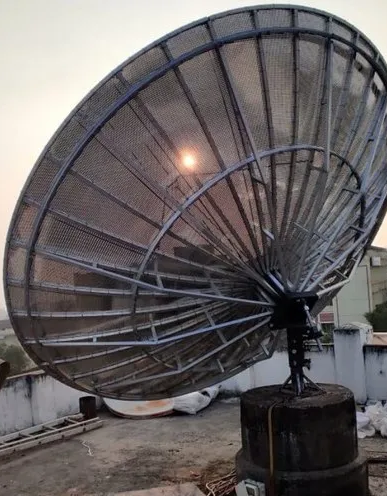
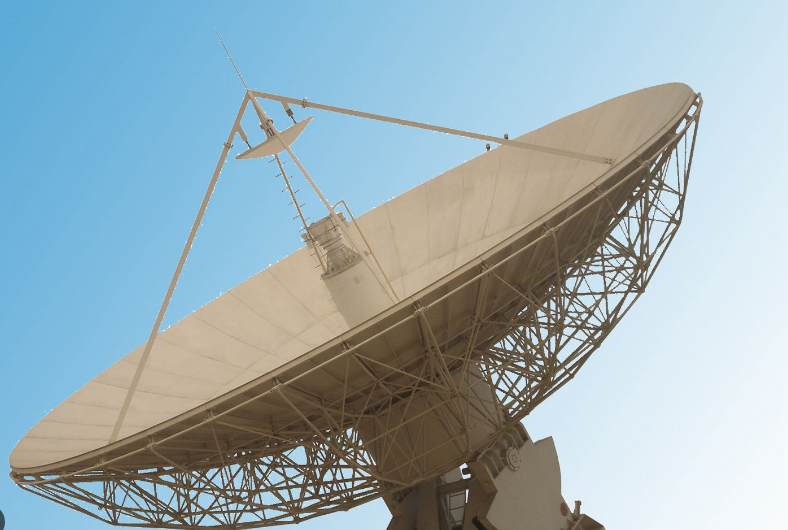
The ​​highest gain antennas​​ are typically ​​parabolic reflector dishes​​, achieving ​​30–50 dBi​​ in ​​C/Ku-band (4–18 GHz)​​. Larger diameters ​​(3–10 meters)​​ enhance gain, with efficiency around ​​50–70%​​. For extreme gain ​​(60+ dBi)​​, ​​horn-reflector antennas​​ or ​​cassegrain feeds​​ are used in ​​deep-space communication​​. Precise ​​alignment (0.1° accuracy)​​ and ​​low-noise amplifiers (LNA)​​ maximize performance. Smaller alternatives like ​​Yagi-Uda

Which type of antenna gives highest gain Read More »

Is coaxial and antenna the same

No, ​​coaxial cables​​ and ​​antennas​​ are not the same. A ​​coaxial cable (e.g., RG-6, 75Ω)​​ transmits RF signals with ​​low loss (3dB/100ft at 1GHz)​​, while an ​​antenna (e.g., Yagi, dipole)​​ radiates or receives electromagnetic waves. For ​​satellite TV​​, a ​​dish antenna (2.4GHz Ku-band)​​ captures signals, which are then carried via ​​coaxial cable​​ to the receiver.

Is coaxial and antenna the same Read More »

Which antenna is best for satellite communication

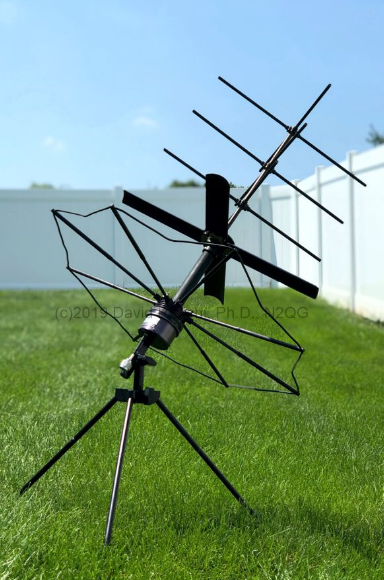
The ​​best antenna for satellite communication​​ depends on the frequency and application. For ​​Ku-band (12-18 GHz)​​, a ​​parabolic dish (1.2-3m diameter)​​ offers high gain (30-40 dBi) and precise tracking. ​​Phased-array antennas​​ are ideal for ​​mobile systems​​, providing ​​rapid beam steering​​ without mechanical adjustments. ​​Helical antennas​​ excel in ​​circular polarization​​ for ​​L-band (1-2 GHz)​​ with 10-15

Which antenna is best for satellite communication Read More »

Scroll to Top
Blank Form (#3)