+86 29 8881 0979

March 10, 2025

What are the two types of smart antennas

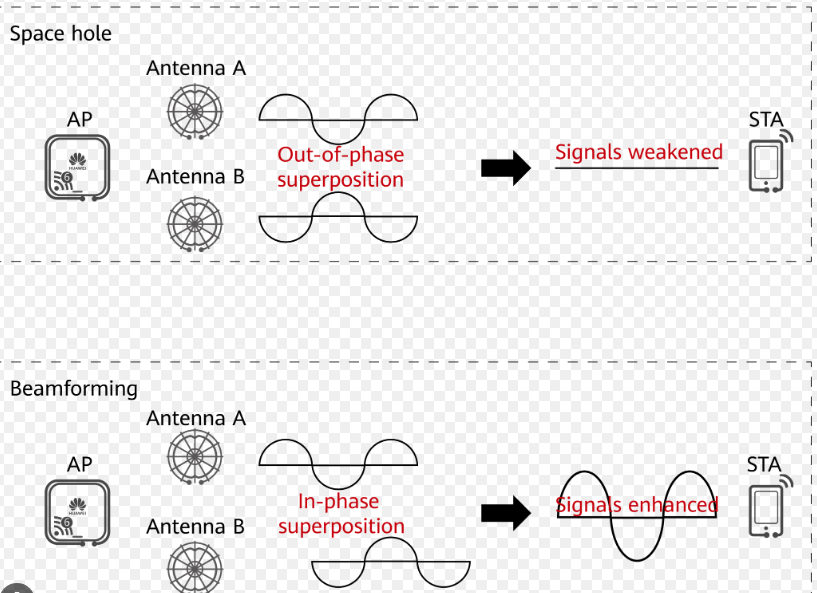
Smart antennas are divided into switch beams (such as 6-beam switching, response <5ms) and adaptive arrays (MIMO technology, beamforming gain up to 20dB). The former presets a fixed coverage direction, while the latter tracks users in real time and dynamically adjusts the phase, which can increase the capacity of 5G systems by more than 30%. […]

What are the two types of smart antennas Read More »
Will 2 antennas work together

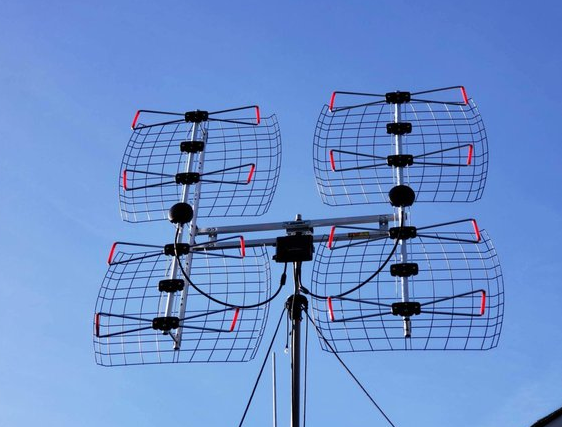
Dual antennas can work together (such as MIMO or relay), and need to be in the same frequency band (e.g. 2.4GHz±50MHz), with a spacing ≥ half a wavelength (6.25cm at 2.4GHz). Orthogonal polarization or isolator (isolation>20dB) to prevent interference, phase shifter to adjust the phase (within ±30°), combiner needs 50Ω impedance matching to ensure signal

Will 2 antennas work together Read More »

Why are bigger antennas better

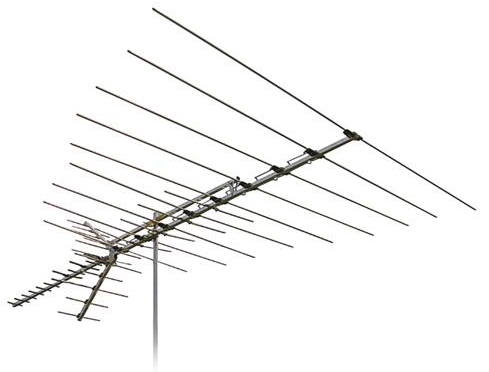
Larger antennas generally perform better because their ​​physical size directly correlates with wavelength reception​​, improving ​​gain (3-10dB higher than compact antennas)​​ and ​​signal-to-noise ratio​​. For example, a ​​¼-wave VHF antenna (1.5m tall)​​ captures weaker signals more effectively than a ​​5cm stub antenna​​. Bigger antennas also provide ​​wider bandwidth (e.g., 20-30% increase)​​ and reduce multipath interference

Why are bigger antennas better Read More »

Which type of antenna gives highest gain

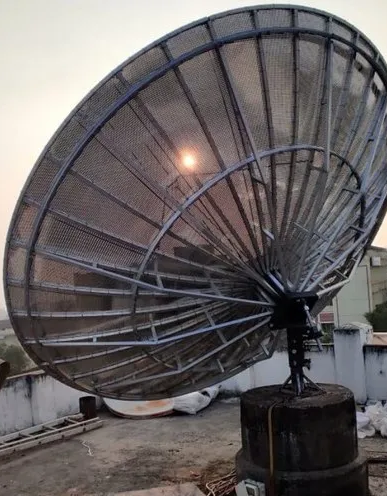
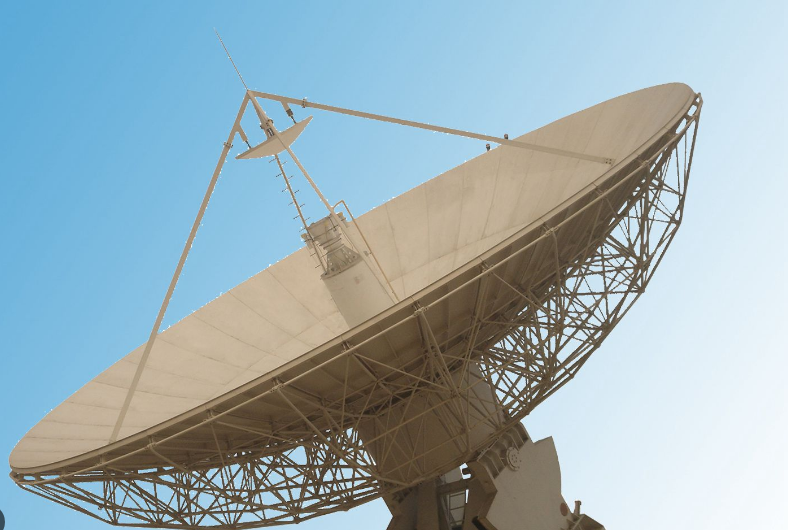
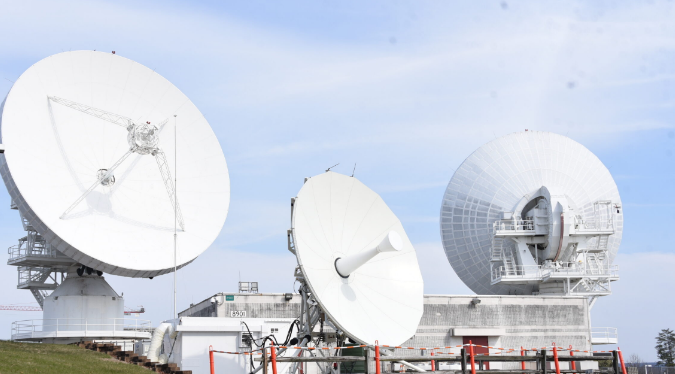
The ​​highest gain antennas​​ are typically ​​parabolic reflector dishes​​, achieving ​​30–50 dBi​​ in ​​C/Ku-band (4–18 GHz)​​. Larger diameters ​​(3–10 meters)​​ enhance gain, with efficiency around ​​50–70%​​. For extreme gain ​​(60+ dBi)​​, ​​horn-reflector antennas​​ or ​​cassegrain feeds​​ are used in ​​deep-space communication​​. Precise ​​alignment (0.1° accuracy)​​ and ​​low-noise amplifiers (LNA)​​ maximize performance. Smaller alternatives like ​​Yagi-Uda

Which type of antenna gives highest gain Read More »

Is coaxial and antenna the same

No, ​​coaxial cables​​ and ​​antennas​​ are not the same. A ​​coaxial cable (e.g., RG-6, 75Ω)​​ transmits RF signals with ​​low loss (3dB/100ft at 1GHz)​​, while an ​​antenna (e.g., Yagi, dipole)​​ radiates or receives electromagnetic waves. For ​​satellite TV​​, a ​​dish antenna (2.4GHz Ku-band)​​ captures signals, which are then carried via ​​coaxial cable​​ to the receiver.

Is coaxial and antenna the same Read More »

Which antenna is best for satellite communication

The ​​best antenna for satellite communication​​ depends on the frequency and application. For ​​Ku-band (12-18 GHz)​​, a ​​parabolic dish (1.2-3m diameter)​​ offers high gain (30-40 dBi) and precise tracking. ​​Phased-array antennas​​ are ideal for ​​mobile systems​​, providing ​​rapid beam steering​​ without mechanical adjustments. ​​Helical antennas​​ excel in ​​circular polarization​​ for ​​L-band (1-2 GHz)​​ with 10-15

Which antenna is best for satellite communication Read More »

What are the different types of Satcom antennas

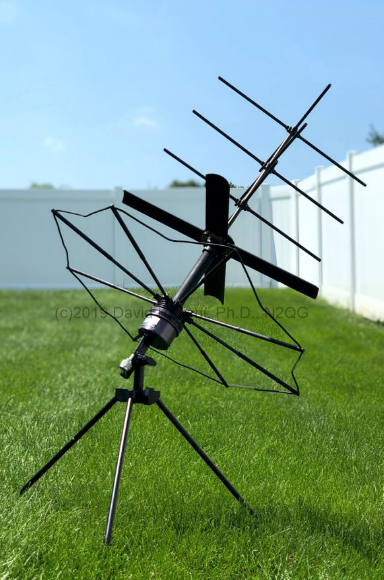
Satellite communication antenna types include: parabolic antenna (usually 1.2 meters in diameter, suitable for C band), flat antenna (light and thin, suitable for Ku band), helical antenna (supports circular polarization), phased array antenna (can electronically control the beam direction) and portable antenna (easy to deploy, about 0.6 meters in diameter). Choose the appropriate type according

What are the different types of Satcom antennas Read More »

Scroll to Top
Blank Form (#3)