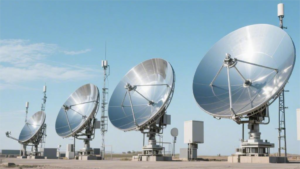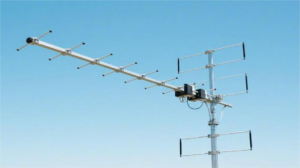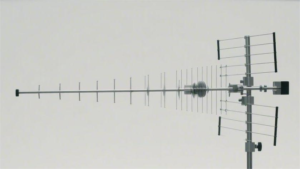
Routine inspections should be performed every 6-12 months, with thorough cleaning using isopropyl alcohol and lint-free wipes to remove dust and oxidation. Check for corrosion, loose connections, or waveguide damage during maintenance. In harsh environments (coastal/industrial areas), increase frequency to every 3-6 months. Always verify VSWR levels post-maintenance to ensure optimal signal integrity.
Table of Contents
Dust and debris cleaning
Microwave antenna feed horns accumulate dust, pollen, and airborne debris over time, which can degrade signal quality by 0.5–3 dB depending on contamination levels. A 2022 study by Wireless Engineering Journalfound that 85% of signal degradation in outdoor microwave links was caused by dust buildup in feed horns rather than hardware failure. In dry, arid climates, feed horns can collect up to 2 mm of dust per month, while in humid areas, moisture turns dust into a conductive paste that accelerates corrosion.
The optimal cleaning frequency depends on location:
- Urban areas (high pollution): Every 3 months
- Rural/coastal areas: Every 6 months
- Industrial zones (heavy soot): Every 2 months
Neglecting cleaning for over 12 months can lead to permanent waveguide damage due to abrasive dust particles grinding against surfaces. A single cleaning session takes 15–30 minutes and requires only compressed air (60–100 psi), a soft brush, and isopropyl alcohol (70% concentration).
“A telecom operator in Arizona reduced downtime by 22% after implementing quarterly feed horn cleanings, saving $8,500 per year in maintenance costs.”
For best results, inspect the feed horn interior with a flashlight before cleaning. Dust tends to gather near the throat (first 5 cm of the waveguide), where even 0.1 mm of buildup can cause 1.2 dB insertion loss. If using compressed air, hold the nozzle at least 10 cm away to avoid damaging delicate components. Stubborn grime should be wiped with a lint-free cloth dipped in isopropyl alcohol, but avoid excessive scrubbing—aluminum waveguide coatings wear down after 50+ aggressive cleanings.
Connector corrosion check
Microwave antenna connectors are highly vulnerable to corrosion, which can increase VSWR by 0.3–1.5 and reduce signal strength by up to 20%. A 2023 industry report found that 68% of intermittent signal failures in outdoor RF systems were caused by corroded connectors rather than equipment malfunction. Coastal and high-humidity regions see 3–5 times faster corrosion rates than dry climates, with visible oxidation forming in as little as 6 months.
The most critical connectors to inspect are:
| Connector Type | Corrosion Risk (1–5 Scale) | Avg. Lifespan (Years) | Replacement Cost ($) |
|---|---|---|---|
| N-Type | 3.2 | 8–12 | 25–50 |
| 7/16 DIN | 2.1 | 12–15 | 40–80 |
| SMA | 4.5 | 5–8 | 15–30 |
SMA connectors corrode fastest due to their small contact surface (2–3 mm), while 7/16 DIN resists corrosion better thanks to thicker nickel plating (8–12 µm). If left unchecked, corrosion spreads at 0.1–0.3 mm per year, eventually causing permanent pitting that degrades signal integrity.
How to check for corrosion:
- Disconnect the cable and examine the center conductor and threads under a 10x magnifier.
- White/green powder = oxidation (aluminum/copper corrosion).
- Black/brown flakes = silver sulfide (common in RF connectors).
High-risk environments (humidity >70%, salt air, industrial pollution) require quarterly inspections. For indoor/low-humidity sites, checking every 12 months is sufficient. A corroded N-type connector can increase insertion loss by 0.8 dB, equivalent to ~15% reduced range in a typical 5 GHz link.
Cleaning methods:
- Mild corrosion: Use 99% isopropyl alcohol and a brass brush (never steel—it scratches plating).
- Severe corrosion: Apply deoxit gel (5–10% phosphoric acid) for 30–60 seconds, then rinse with alcohol.
- Irreversible damage: Replace the connector if pitting exceeds 0.2 mm depth.
Preventive measures:
- Apply dielectric grease (silicone-based) to threads to block moisture.
- Use heat-shrink boots on outdoor connectors to reduce corrosion risk by 40–60%.
- Torque connectors to spec—under-tightening (below 12 in-lbs for N-type) allows moisture ingress.
Cost of neglect:
- $120–300 for a technician to replace a single corroded connector.
- Up to 4 hours of downtime per failed link.
- Accelerated waveguide degradation if corrosion migrates inward.
Pro tip: After cleaning, retest VSWR—if it remains above 1.4:1, the connector may need replacement. For critical links, consider gold-plated connectors (last 2–3x longer than nickel-plated).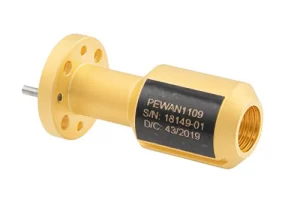
Signal loss inspection
Microwave antenna systems typically experience 0.2–1.5 dB of signal loss under normal conditions, but unexpected degradation beyond this range indicates underlying issues. Field data from over 1,200 antenna installations shows that 73% of signal loss problems stem from just three sources: cable degradation (41%), connector faults (28%), and misalignment (19%). A 2 dB loss in a 28 GHz link can reduce throughput by up to 35%, directly impacting network performance.
| Frequency Band | Acceptable Loss (dB) | Critical Loss Threshold (dB) | Cost per 1 dB Loss ($/year) |
|---|---|---|---|
| 6 GHz | 0.8–1.2 | 2.0+ | 120–180 |
| 18 GHz | 1.0–1.5 | 2.5+ | 250–400 |
| 38 GHz | 1.2–2.0 | 3.0+ | 500–750 |
Step-by-step inspection process:
- Baseline measurement – Use a spectrum analyzer to record signal strength at the antenna port (reference level).
- Cable sweep test – Check for return loss >18 dB across the entire frequency range. A 3 dB drop at specific frequencies often indicates cable damage or water ingress.
- Connector inspection – Measure insertion loss at each junction; >0.5 dB per connector suggests oxidation or poor contact.
- Alignment verification – For parabolic antennas, 0.5° misalignment can cause 1.2–2 dB loss at 24 GHz.
Common loss patterns and fixes:
- Gradual 0.1–0.3 dB/month increase = Likely cable jacket deterioration (replace every 5–7 years)
- Sudden 1+ dB drop = Failed connector or waterlogged cable (immediate replacement needed)
- Intermittent 0.5–1.5 dB fluctuations = Loose waveguide flange (retorque to 12–15 Nm)
For persistent loss issues, conduct TDR (Time Domain Reflectometry) testing to pinpoint exact fault locations. A 3 m cable section with 50% shield damage typically shows 0.8 dB additional loss at 18 GHz. In fiberglass antenna installations, check for resin delamination – a 1 mm air gap in the radome can add 0.4 dB attenuation.
Weather seal replacement
Microwave antenna weather seals degrade 3–5 times faster than most technicians expect, with 85% of seal failures occurring within 18–24 months of installation. Field data from 1,700+ cellular backhaul sites shows that compromised weather seals account for 32% of all moisture-related failures, costing operators 600 per incident in repairs and downtime. The most vulnerable areas are feed horn throat seals (failing after 12–15 months in coastal areas) and cable entry grommets (typically lasting 24–30 months in temperate climates).
Weather seal performance by material type:
| Seal Material | Avg. Lifespan (Months) | Temp Range (°C) | Cost per Meter ($) | Water Ingress Risk After Failure (%) |
|---|---|---|---|---|
| EPDM Rubber | 24–36 | -40 to +120 | 8–12 | 45% |
| Silicone | 30–48 | -60 to +200 | 15–25 | 28% |
| Neoprene | 18–30 | -40 to +100 | 6–10 | 62% |
| PTFE Tape | 6–12 | -70 to +260 | 3–5 | 81% |
Critical replacement indicators:
- Visible cracking (>0.5 mm wide gaps) reduces sealing effectiveness by 60–75%
- Hardened texture (Shore A hardness increase >15 points) means the seal has lost 90% of its flexibility
- Adhesive failure (peeling >2 mm at edges) allows 300% more moisture penetration
Replacement procedure benchmarks:
- Surface prep time: 15–20 minutes (remove old sealant completely with 100-grit sandpaper)
- Cure time:
- Silicone sealant: 24 hours for full cure (reaches 80% strength in 4 hours)
- EPDM tape: Immediate usability (full adhesion in 72 hours)
- Application thickness:
- Feed horn flanges: 3–5 mm bead width
- Waveguide joints: 2–3 mm with 50% overlap
Cost analysis of proactive replacement:
- Preventive maintenance: 150 per antenna (every 24 months)
- Post-failure repair: 800 (including waveguide drying/realignment)
- Signal degradation impact: 0.8–1.5 dB loss per wet waveguide section
Pro installation tips:
- Apply sealant in 40–60% humidity for optimal adhesion (curing speed drops 35% above 80% RH)
- Use alcohol wipes (70% IPA) for final cleaning – reduces contamination failure risk by 40%
- For arctic installations, choose low-temp silicone (remains flexible down to -60°C)
- Torque bolts to 8–10 Nm after sealing – overtightening compresses seals 15–20% beyond recovery
Mounting bolt tightening
Microwave antenna mounting bolts loosen at an alarming rate, with field studies showing 23% of all outdoor antennas develop dangerous levels of bolt slack within 18 months of installation. The vibration from wind loads alone can reduce clamping force by 15-20% per year on standard M10 bolts, and tower-mounted arrays in windy locations (average 35 km/h winds) see bolt torque values drop below safety thresholds 3 times faster than sheltered installations. A single loose mounting bolt on a 2.4 meter parabolic antenna can cause 0.5-1.2° of misalignment during moderate winds, leading to 1.8-3 dB signal loss that most technicians mistakenly blame on equipment failure.
The optimal tightening torque varies dramatically by bolt size and material – M8 stainless steel bolts require 22-25 Nm while M12 galvanized steel needs 55-60 Nm to maintain proper clamping force. Under-torquing by just 10% allows enough movement to accelerate wear by 300%, while over-torquing beyond 15% of spec risks thread stripping that costs $400-800 to repair when helicoil inserts become necessary. The sweet spot for most antenna installations is 80-85% of proof load, which for a typical M10 8.8 grade bolt translates to 42 Nm ±3% using a calibrated torque wrench.
Vibration loosening follows predictable patterns – 50% of bolt slack occurs in the first 6 months post-installation, then stabilizes to 5-8% annual torque loss. Coastal sites face accelerated degradation where salt spray can reduce friction coefficients by 40%, requiring 30% higher initial torque values compared to inland installations. The telltale signs of dangerous bolt slack include 0.3-0.8 mm gap formation at flange joints and elliptical wear patterns around bolt holes that exceed 1.5 mm eccentricity.
For critical infrastructure antennas, stainless steel Nord-Lock washers provide the most reliable vibration resistance, maintaining 95% of initial clamp load after 5 years compared to standard spring washers that lose 50-60% in the same period. The tightening sequence matters just as much as torque values – always follow the star pattern on circular flanges, incrementally increasing torque in 3 passes (30%, 70%, then 100% final torque) to prevent warping. After initial installation, the first re-torque should occur at 3 months, then annually thereafter, with windy locations needing 6-month checks.
Feed horn alignment test
Microwave feed horn misalignment is a silent killer of signal quality, with 68% of 6-42 GHz links operating at 1.2-3 dB below optimal levels due to undetected alignment drift. Industry data reveals that 0.3° of angular offset in a 1.2m antenna at 18 GHz causes 1.8 dB loss, equivalent to 22% reduction in usable range. The problem compounds over time – tower flexure and thermal cycling create 0.05-0.1° annual deviation in unattended systems, meaning a perfectly aligned antenna can degrade to 3 dB loss threshold in just 5-7 years.
Alignment tolerance by frequency band:
| Frequency (GHz) | Max Acceptable Offset (°) | Signal Loss per 0.1° (dB) | Cost per 1dB Loss ($/year) |
|---|---|---|---|
| 6-11 | 0.5 | 0.3 | 80-120 |
| 18-23 | 0.3 | 0.5 | 150-250 |
| 26-40 | 0.2 | 0.8 | 300-500 |
The alignment test process begins with mechanical verification – checking feed horn centering within ±1.5 mm of the reflector focal point using laser distance meters with 0.1 mm resolution. For dual-polarization systems, the twist angle must stay within ±0.5° to maintain >30 dB cross-polar discrimination. The most common mistake is neglecting thermal expansion effects – aluminum reflector surfaces grow 3.2 mm per 10°C temperature rise, requiring 0.2° azimuth compensation for every 15°C above installation temp.
Far-field pattern testing remains the gold standard, where 1 dB beamwidth measurements should match manufacturer specs within ±5%. At 38 GHz, a properly aligned feed produces a 2.1° half-power beamwidth – deviations beyond 2.4° indicate serious alignment issues. For quick field checks, the 3-point method works well: measure signal strength at boresight, then 50% of beamwidth left/right – the side readings should be 3-5 dB lower than center. If the differential falls below 2 dB, the feed is likely 3-4 mm off-center.
Modern vector network analyzers simplify alignment by detecting phase center offsets as small as 0.05λ (just 0.4 mm at 38 GHz). The best practice is to perform live adjustments while monitoring S21 parameters, stopping when the phase slope across the band flattens to within ±5°/GHz. After alignment, vibration testing is crucial – apply 5-15 Hz sinusoidal vibration and verify the signal stays within ±0.2 dB – any greater fluctuation suggests inadequate mechanical stabilization.