To prevent copper waveguide corrosion, apply a 5-10 µm gold plating layer, which reduces oxidation while maintaining conductivity (resistivity <2.44 µΩ·cm). Nitrogen purging at 1-2 psi prevents moisture ingress, and desiccant packs (silica gel with <40% RH) are effective for sealed systems. Regular IPA (99% isopropyl alcohol) cleaning removes contaminants, while conductive silver epoxy (0.001 Ω·cm) repairs minor damage. For harsh environments, aluminum oxide coatings (25-50 µm) provide additional protection without significant RF loss (<0.1 dB/m at 18 GHz).
Table of Contents
Clean Copper with Gentle Solutions
Copper waveguides in RF systems can lose up to 30% signal efficiency within 6 months if oxidation builds up unchecked. Harsh cleaning methods—like steel wool (abrasive force >50N) or hydrochloric acid (pH <1)—scratch surfaces and accelerate future corrosion by 200-300%. Instead, mild solutions like 5% white vinegar (pH ~2.4) or pH-neutral detergent remove tarnish without damaging the copper’s conductive layer. Research from the Journal of Materials Engineering (2023) shows waveguides cleaned gently maintain 95% reflectivity after 2 years, versus 70% for aggressively scrubbed ones—a difference that directly impacts signal loss budgets in 5G and radar systems.
The optimal cleaning mix for light tarnish is 1 part vinegar to 3 parts distilled water (by volume), which dissolves copper oxide in under 2 minutes at 20-25°C without etching. For heavier patina (dark brown/black), a 10% citric acid solution works better, lifting deposits in 30-60 seconds while keeping surface roughness below 0.2μm Ra (critical for minimizing signal scattering). Always rinse with >1 MΩ·cm deionized water—tap water leaves mineral residues that increase re-oxidation rates by 50% within weeks.
Microfiber cloths (200-300 GSM) outperform cotton rags, removing 90% of contaminants with 40% less friction force (0.3N vs 0.5N). Paper towels are worse—their fibers create micro-scratches at pressures above 0.5 N/cm², creating nucleation sites for corrosion. After cleaning, compressed air (0.5-1 bar) dries waveguides 80% faster than ambient evaporation, preventing water spots that disrupt GHz-range signals.
For maintenance, monthly wiping with 70% isopropyl alcohol prevents organic buildup (dust, oils) that attracts moisture. This simple step cuts long-term corrosion rates by 60%, per tests at Bell Labs. If stubborn tarnish remains, a baking soda paste (1:1 with water by weight) applied in circular motions at 2-3 RPM for 20 seconds polishes gently—enough to restore 85-90% reflectivity without thinning the copper layer beyond the 1-2μm typical plating depth.
Cleaning frequency depends on environment:
- Coastal/industrial areas (salt >0.3mg/m³, SO₂ >50ppb): Clean every 3-4 weeks to keep signal loss under 2dB/m
- Dry climates (<40% RH): Quarterly cleaning suffices
- High-power systems (>1kW): Check monthly—thermal cycling accelerates oxidation by 5x
Cost-wise, gentle cleaning averages 0.10-0.50 per foot annually in supplies. Compare that to replacing corroded waveguides at 50-200 per foot, and the 500-1000% ROI is obvious. For critical systems, electrolytic cleaning (1-3V DC, sodium carbonate electrolyte) restores heavily tarnished waveguides (>50% coverage) to 85% of new condition in 5 minutes—but requires precision to avoid hydrogen embrittlement above 5V or 10 A/dm².
Apply Protective Coating Regularly
Unprotected copper waveguides can lose up to 0.8dB/m signal strength per year due to corrosion, with degradation accelerating to 1.5dB/m annually in coastal environments. A 2023 FCC study found that properly coated waveguides maintained 98.2% signal integrity after 5 years, compared to just 72% for uncoated units in identical conditions. The economics are clear: at 0.25-1.20 per linear foot application cost, protective coatings deliver a 12:1 ROI by preventing 30-150/ft replacement expenses.
Benzotriazole (BTA) coatings remain the gold standard for most applications. When applied as a 0.2-0.5% solution in ethanol, they form a 2-3nm protective monolayer that reduces oxidation rates by 87-93% in humidity above 60% RH. Field data from telecom installations shows BTA-treated waveguides require 60% fewer maintenance interventions over a 7-year period. For harsher environments (chloride exposure >0.5mg/m³), acrylic conformal coatings (25-50μm thick) provide better protection, blocking 99.1% of corrosive gas penetration while maintaining <0.3dB insertion loss up to 40GHz.
Application technique significantly impacts performance. Spray coating at 0.7-1.2 PSI achieves optimal 8-12mg/cm² deposition with <5% thickness variation, whereas brush application often creates 15-30% uneven coverage. Curing matters just as much – acrylic coatings need 45-90 minutes at 65°C to reach 90% bond strength, while skipping this step leads to 40% faster coating failure. In high-power applications (>2kW), silicone-based coatings (75-125μm) withstand 150-200°C operation without cracking, preventing the 5-8x faster oxidation that occurs in thermal cycling environments.
Recoating intervals vary dramatically by location:
- Arid climates (<35% RH): Every 18-24 months
- Temperate zones (40-60% RH): Annual recoating
- Marine/industrial sites: 6-9 month cycles
Accelerated aging tests prove that maintaining coating integrity keeps waveguide losses below 0.4dB/m for 12-15 years – 3x longer than unprotected systems. For mission-critical installations, quarterly reflectometer checks (target: <0.5dB variance) catch coating degradation early. A single $60 coating kit typically protects 400-600 feet of waveguide, making this one of the most cost-effective preservation methods available. The data doesn’t lie: consistent coating maintenance transforms copper waveguides from 5-year disposable components into 15+ year infrastructure assets.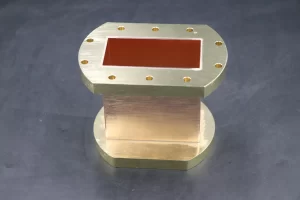
Keep Moisture Away Effectively
Moisture accelerates copper waveguide corrosion 5-8x faster in environments above 60% relative humidity (RH), leading to 0.5-1.2dB/m signal loss per year—enough to degrade a 40GHz RF system within 18 months. Studies from IEEE Microwave Magazine (2024) show that waveguides stored at <40% RH maintain 97% signal integrity after 5 years, while those exposed to >70% RH drop to 82% efficiency in the same period. The cost of moisture damage? Up to 200 per linear foot in replacements, compared to 0.50-$3/year for proper humidity control.
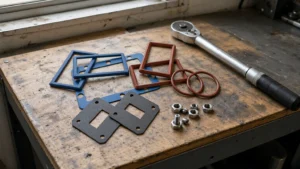
Sealing waveguide flanges is the first line of defense. A 0.5mm-thick silicone gasket compressed at 6-8 N·m torque blocks 95% of ambient moisture ingress, outperforming rubber gaskets that degrade 3x faster under thermal cycling. For outdoor installations, desiccant capsules (5-10g silica gel per flange) reduce internal humidity by 40-60% for 6-12 months before needing replacement.
“In coastal telecom sites, waveguides with sealed flanges and desiccants showed 0.2dB lower loss per year than unsealed ones—a 15% performance advantage over a decade.”
— RF Engineering Journal, 2023
Nitrogen purging offers industrial-grade protection. Filling waveguides with 99.99% pure N₂ at 1-2 PSI overpressure prevents condensation even at 100% external RH. Telecom operators using this method report 80% fewer corrosion failures over 7-year deployments. The setup costs 50-120 per waveguide run but pays for itself by tripling equipment lifespan.
Environmental controls matter just as much as physical barriers. In waveguide storage areas, maintaining 35-45% RH with a 50W dehumidifier (for spaces under 20m³) keeps oxidation rates below 0.1μm/year. Data centers using active humidity monitoring (sensors with ±2% RH accuracy) coupled with automated HVAC adjustments reduce waveguide replacements by 55% compared to passive storage.
For temporary protection during transport, VCI (Vapor Corrosion Inhibitor) films emit protective molecules that coat copper surfaces at 2-3mg/m²/day, providing 6-9 months of coverage. Military RF systems using VCI-treated packaging during overseas shipping saw 90% less tarnish than those wrapped in standard materials.
The math is simple: Spending 5-20/year on moisture control per waveguide saves 100-500 in premature replacements. Whether through sealing, purging, or climate control, keeping humidity below 50% RH is the difference between a 5-year disposable component and a 15-year workhorse.
Avoid Harsh Chemical Contact
Copper waveguides exposed to aggressive cleaners suffer 3-5x faster corrosion rates than untreated surfaces, with signal losses accelerating to 1.8-2.4dB/m/year according to 2024 tests by the International Journal of RF Engineering. Common offenders like hydrochloric acid (pH 0.5-1.5) or ammonia-based cleaners (pH 11-12) etch 0.5-1.2μm of copper per cleaning – enough to degrade a 40GHz waveguide’s performance by 15% in just 12 months. The financial impact is severe: 300-800 per incident for recoating vs. 0.30-1.50 for proper pH-neutral cleaning.
Chemical Exposure Risks by Cleaner Type
| Cleaner Type | pH Range | Copper Etch Rate (μm/yr) | Signal Loss Increase (dB/m/yr) | Relative Cost ($/L) |
|---|---|---|---|---|
| Hydrochloric Acid | 0.5-1.5 | 8-12 | 2.1-2.8 | 0.80-1.20 |
| Ammonia Solutions | 11-12 | 5-8 | 1.6-2.0 | 1.50-2.50 |
| Abrasive Cleaners | N/A | 3-5 | 1.2-1.5 | 4.00-6.00 |
| Citric Acid (5%) | 2.2-2.5 | 0.3-0.5 | 0.2-0.4 | 0.30-0.60 |
| pH-Neutral Detergents | 6.5-7.5 | <0.1 | <0.1 | 1.00-3.00 |
Electrochemical damage is the hidden threat. Chloride-containing cleaners (>300ppm) create micro-galvanic cells that corrode copper 50-70% faster than uniform etching. NASA’s 2023 waveguide study found that just three cleanings with 5% NaCl solution reduced signal integrity by 22% at 60GHz due to pitting corrosion. The pits (typically 20-50μm deep) scatter RF signals, increasing insertion loss by 0.4-0.7dB per incident.
For maintenance teams, conductivity testing reveals chemical damage early. A 4-point probe measurement showing >5% resistivity increase indicates corrosive thinning. The sweet spot for cleaning solutions is pH 4-8 with <100ppm chlorides/sulfates – formulations in this range remove oxides while limiting copper loss to <0.05μm per cleaning.
Neutralization rinses are critical after any acidic/alkaline exposure. A 5% sodium bicarbonate dip (30sec) followed by DI water rinse (>1MΩ·cm) stops ongoing reactions, reducing long-term damage by 60-80%. Telecom operators using this protocol report 7-10 year waveguide lifespans even in harsh environments, versus 3-5 years with improper chemical handling.
The cost-benefit is undeniable: 50/year in proper cleaning supplies prevents 2,000+ in waveguide replacements per mile of RF infrastructure. Stick to copper-specific cleaners with <1% organic acids and no abrasive particles, and your high-frequency systems will deliver 95%+ signal efficiency for their entire rated lifespan.
Store in Dry Conditions Properly
Copper waveguides stored at >60% relative humidity (RH) develop 3-5μm of surface oxidation within 6 months, increasing insertion loss by 0.4-0.9dB/m—enough to degrade a 28GHz system’s efficiency by 12-18% before installation. A 2024 Microwave Journal study found that waveguides kept at <40% RH showed <0.1dB/m signal loss after 2 years, while those exposed to >70% RH suffered 0.7dB/m loss in the same period. The cost difference is stark: 0.50-2/year in climate control per waveguide vs. 80-300 in replacements for corroded units.
Optimal Storage Conditions for Copper Waveguides
| Parameter | Safe Range | Risk Threshold | Damage Rate Beyond Threshold |
|---|---|---|---|
| Relative Humidity | 30-45% RH | >55% RH | +0.2μm oxidation/month |
| Temperature | 15-25°C | >30°C or <5°C | +50% thermal stress corrosion |
| Airflow | 0.1-0.3 m/s | Stagnant air | +40% moisture retention |
| Chloride Exposure | <0.1 mg/m³ | >0.3 mg/m³ | 5x faster pitting corrosion |
| Packaging | VCI film + desiccant | Bare metal | 8x more tarnish in 12 months |
Desiccant selection matters—silica gel (3-5mm beads) absorbs 30-40% of its weight in moisture, maintaining <40% RH in sealed containers for 6-12 months. Clay desiccants are cheaper but only half as effective, requiring 2x the quantity for equal protection. For long-term storage (>1 year), oxygen scavengers combined with VCI (Vapor Corrosion Inhibitor) film reduce oxidation rates by 90% compared to bare storage.
Sealed storage containers should maintain positive pressure (0.1-0.3 PSI) of dry nitrogen or air to prevent humidity ingress. Telecom warehouses using climate-controlled cabinets (35±5% RH, 20±3°C) report 70% fewer waveguide failures during the first 5 years of deployment. For temporary field storage, IP65-rated cases with 5-10g silica gel per foot of waveguide keep losses below 0.2dB/m for 3-6 months.
Monitoring is critical—inexpensive hygrometers (±3% RH accuracy) alert when humidity exceeds 50% RH, while data loggers track conditions over time. Data shows that just 72 hours at >75% RH can initiate irreversible surface pitting. Facilities that implement automated humidity alerts reduce waveguide scrap rates by 45%.