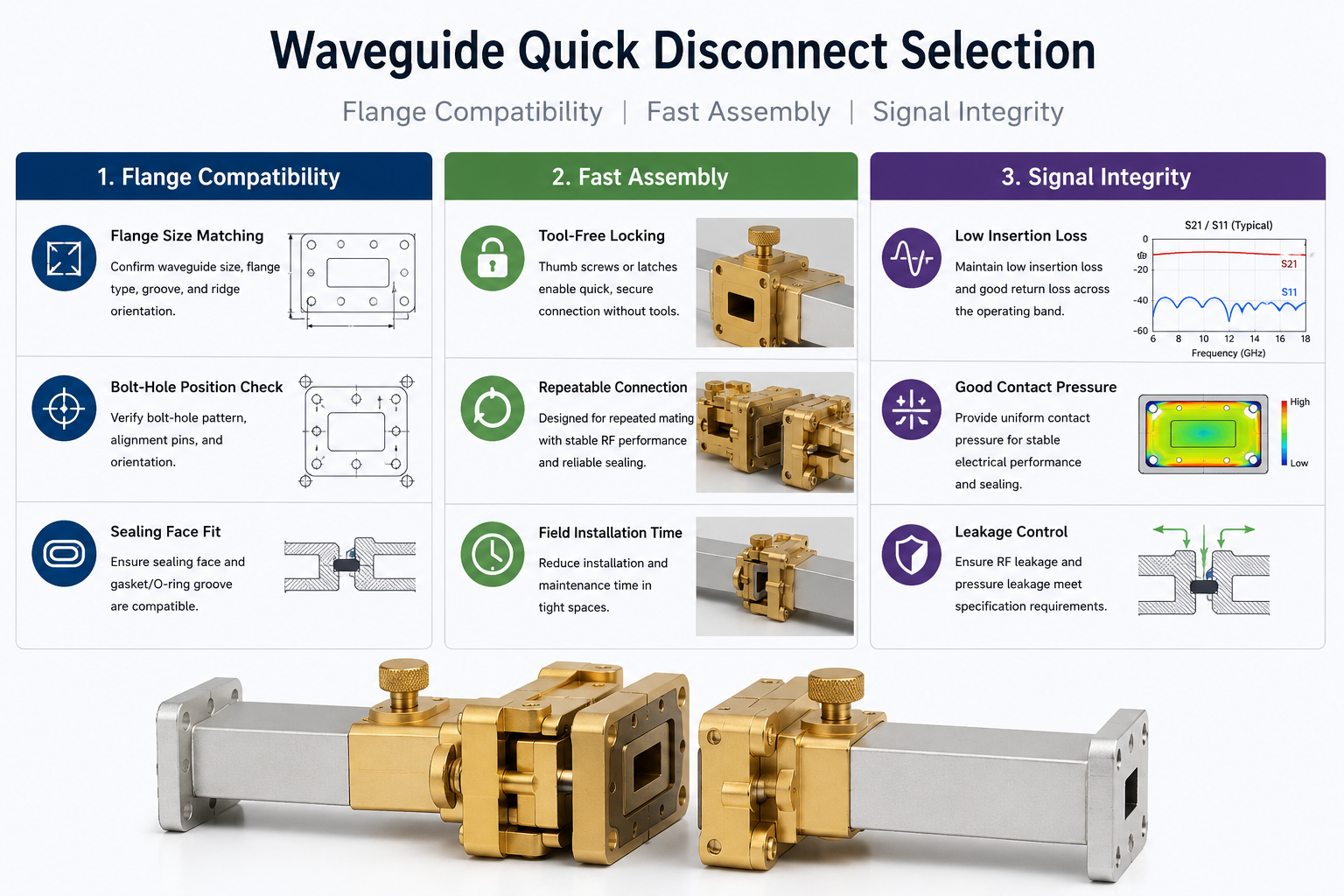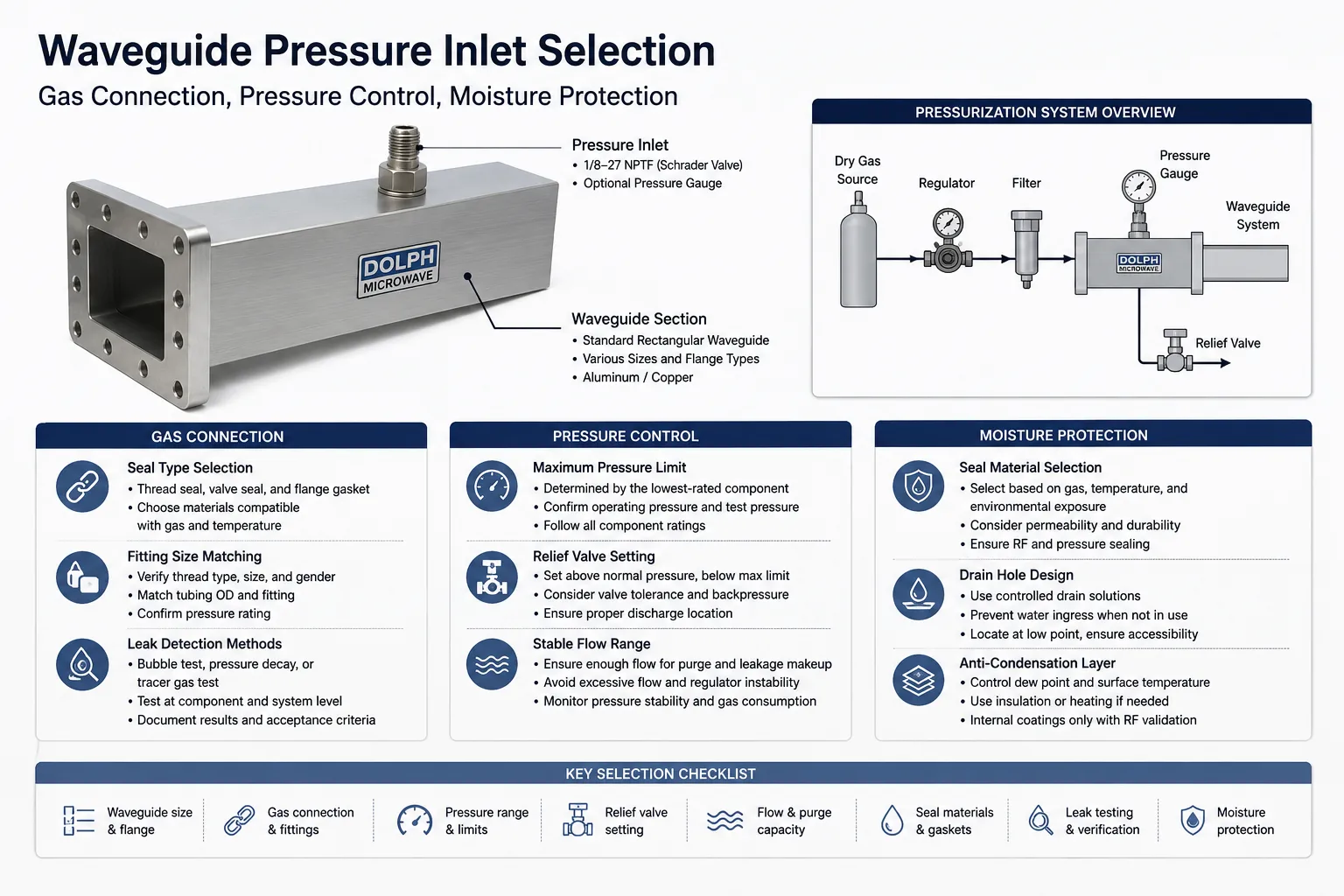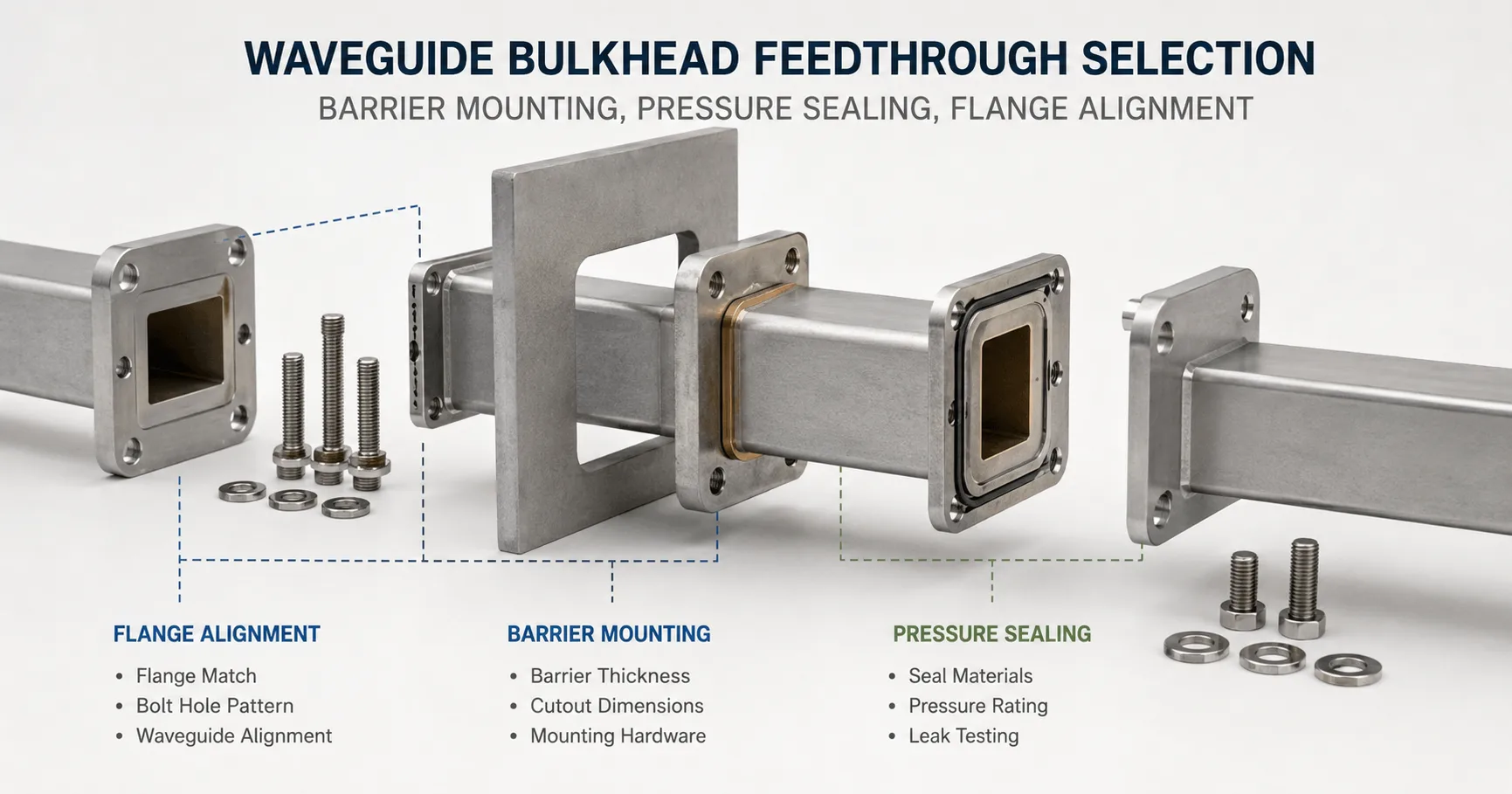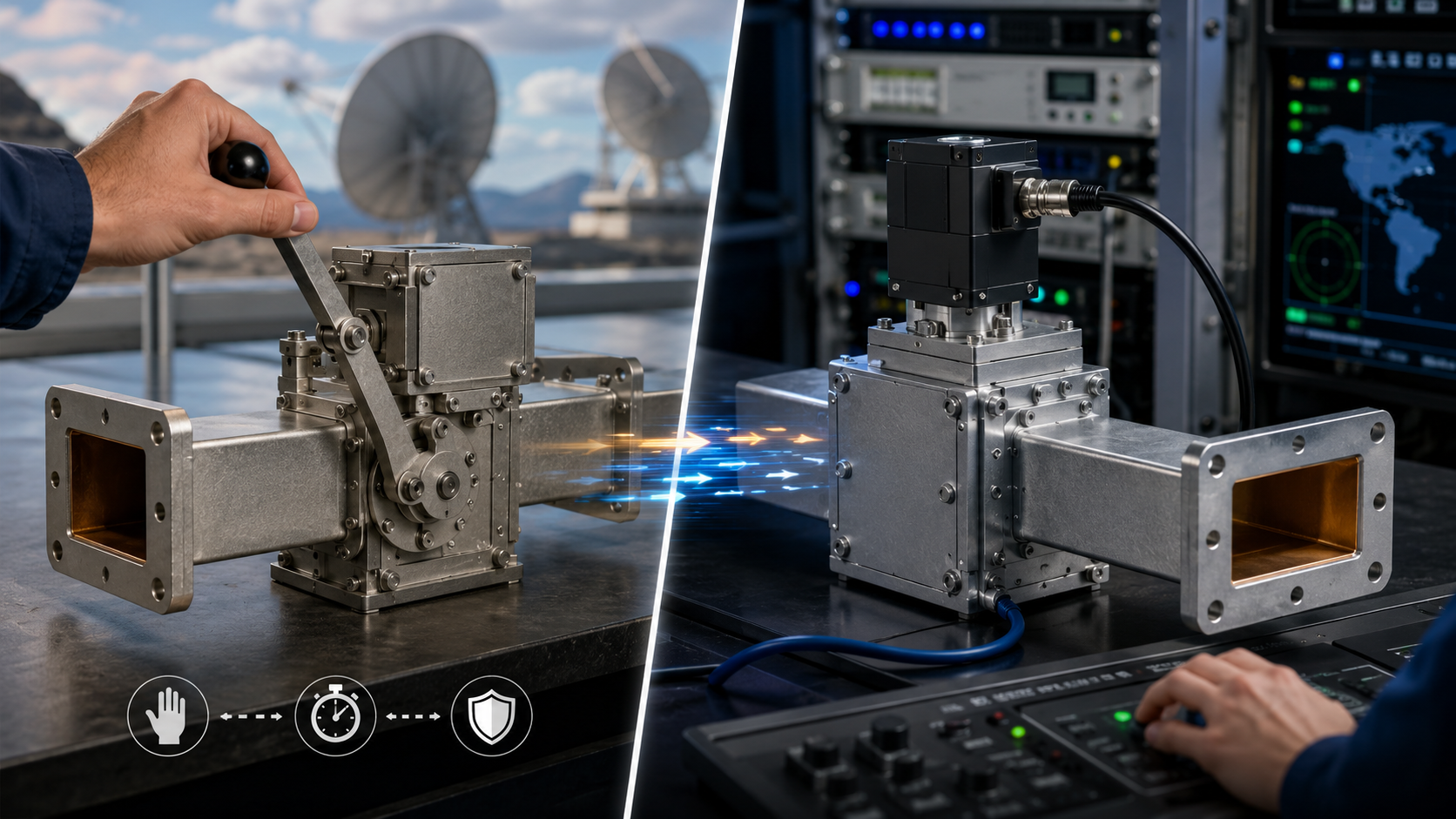
Coupler antennas integrate signal routing and isolation functions, enabling power division (e.g., 10–20dB splits) or sampling (insertion loss <0.3dB) between transmit/receive paths while maintaining >25dB isolation at 2–18GHz to minimize interference, optimizing RF system efficiency.
Table of Contents
Connecting Two Devices Wirelessly
A common challenge in RF systems is efficiently transferring a signal from a primary transmitter to a secondary, backup, or measurement unit without causing disruption. Traditionally, using a simple power splitter might seem like a straightforward solution, but it typically introduces a 3 dB minimum power loss (50% of the signal power) on each output leg, drastically reducing system efficiency. This is where a coupler antenna, or more accurately, an antenna coupler, proves its fundamental worth. Unlike a simple splitter, a well-designed directional coupler can sample or divert a specific portion of the signal—often a precise fraction like 10% or 25%—with minimal intrusive loss to the main path, which can be as low as 0.5 dB. This means 98.9% of the original power continues forward to the main antenna, while a small, known quantity is tapped for other critical uses.
A standard 20 dB directional coupler, a very common component, is designed to passively extract a defined sample of the energy flowing in one direction. For a signal traveling from the input to the output (the main path), the coupler will divert a portion that is 10 times weaker in power (which is a 20 dB reduction) to a third port, often called the “coupled” port. The critical detail is that this coupling action is highly specific; it largely ignores unwanted reflected power traveling backwards from the antenna. This allows a 4-port coupler to simultaneously sample the forward power sent to the antenna and the reflected power coming back from it, providing real-time system health data.
Insertion Loss is the unavoidable attenuation of the main signal, which for a high-quality coupler can be as low as 0.2 dB, preserving over 95% of the power. Coupling Factor defines the tapped signal’s strength, common values being 6, 10, 20, or 30 dB, with a tolerance of typically ±0.5 dB. Directivity is perhaps the most crucial performance metric; it measures the coupler’s ability to distinguish between forward and reverse waves. A higher directivity, say 25 dB versus 15 dB, means significantly more accurate measurement and isolation, reducing the uncertainty in sampled power readings.
| Parameter | Ideal 2-Way Splitter | Typical 20 dB Directional Coupler |
|---|---|---|
| Main Path Loss | 3.01 dB (50% Power Loss) | < 0.5 dB (> 89% Power Maintained) |
| Sampled Port Power | -3.01 dB (50% of Input) | -20 dB (1% of Input) |
| Isolation/Ctrl | No isolation between ports | High directivity (>20 dB) |
| Primary Use Case | Dividing power equally | Sampling a signal without disruption |
For instance, in a 1500 W FM radio broadcast system, a 30 dB coupler can safely tap a 1.5 W sample signal for a spectrum analyzer or a backup transmitter, while the main signal path loses less than 1% of its total power (approx. 15 W lost as heat). This 99% power transfer efficiency is a stark contrast to the 50% loss from a splitter, which would waste a costly 750 W. 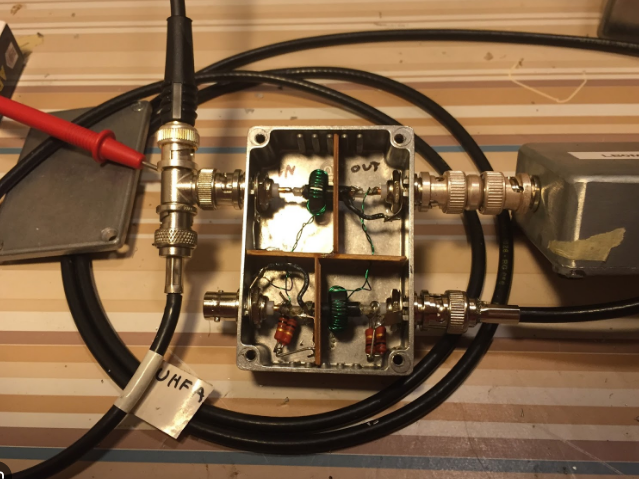
Improving Signal Strength and Quality
Signal strength, measured in dBm, can degrade by 15 to 20 dB due to cable losses, impedance mismatches, and environmental interference, directly reducing effective range and data throughput. A 1.5 dB loss might seem minor, but in a low-power IoT system operating at +10 dBm, it represents a 30% reduction in radiated power. Furthermore, impedance mismatches can cause 20% to 30% of the forward power to be reflected back towards the transmitter, not only wasting energy but also generating heat and distorting the signal waveform.
A directional coupler with 20 dB directivity can accurately sample both the forward and reflected power traveling along the transmission line with an error margin of less than ±0.5 dB. This sampled data, representing perhaps 1% of the total signal power, is fed into a dedicated detector circuit. This circuit can calculate the Voltage Standing Wave Ratio (VSWR), a key metric of impedance match. A perfect system has a VSWR of 1:1, but a ratio exceeding 1.5:1 indicates that more than 4% of power is being reflected, which is often the performance threshold for corrective action. In modern systems, this data is used for automatic power adjustment. For example, if the system detects a rising VSWR due to a failing antenna connector, the power amplifier can be incrementally reduced from 50 W to 35 W to protect its final transistors from the damaging reflected energy, preventing a 15% decrease in amplifier lifespan and avoiding a complete link failure.
Beyond fault protection, the coupler’s sampled port enables precise signal leveling for performance optimization. In a receiver system, a strong incoming signal can overload the sensitive low-noise amplifier (LNA), causing distortion known as intermodulation that reduces the clarity of the desired signal. A coupler placed at the antenna feed can tap off a controlled amount of signal—for instance, -15 dB from a -90 dBm incoming signal—to feed a separate monitoring receiver. This allows the main receiver chain to be calibrated for optimal gain staging.
Furthermore, the consistent sample allows for automatic gain control (AGC) circuits to operate with ±2 dB accuracy, ensuring the signal presented to the demodulator is always within its ideal input range of -30 dBm to -10 dBm, maximizing the signal-to-noise ratio (SNR) and reducing bit error rates (BER) by up to 50%. This precise control, enabled by the coupler’s consistent and accurate sampling, directly translates to a stronger, cleaner, and more reliable wireless link for the end user.
Reducing Unwanted Feedback and Noise
In RF systems, unwanted feedback and broadband noise are primary constraints on performance, often reducing a receiver’s dynamic range by 15 dB or more. A power amplifier generating +43 dBm (20 W) of output can inadvertently couple -25 dBm of broadband noise back into its own input through the power supply or case, creating a feedback loop that degrades signal clarity. This noise floor, typically measured at -150 dBm/Hz, can be raised by 20 dB due to such interference, effectively masking weaker -130 dBm signals and reducing effective receiver sensitivity by a factor of 100. Directional couplers address this by providing a controlled, high-fidelity path for signal sampling that inherently rejects reverse-propagating noise and energy, isolating sensitive components from disruptive feedback loops that can increase bit error rates (BER) by 2-3 orders of magnitude.
The effectiveness of a coupler in noise reduction is quantified by three key parameters:
- Isolation: This measures the signal attenuation between ports that should be separated. A coupler with 30 dB of isolation between the input and isolated port will reduce a +30 dBm signal leaking backwards to just 0 dBm, preventing it from interfering with the source.
- Directivity: This is the most critical metric for noise rejection, calculated as the difference between isolation and coupling. A coupler with 20 dB coupling and 35 dB isolation has a directivity of 15 dB. This means it distinguishes forward from reverse signals by a factor of 31.6x, ensuring sampled noise from reflections is 15 dB weaker than the intended forward sample.
- VSWR: A low VSWR, typically <1.25:1 across the band, minimizes impedance mismatches that cause 0.5 dB of loss and generate standing waves. These waves can reflect 4% of the power, creating hotspots and phase noise that degrades system SNR.
In a real-world cellular base station transmitter, a 40 dB directional coupler is placed at the output of the final power amplifier. The coupler samples 0.01% of the forward power (e.g., +10 dBm from a +50 dBm / 100 W carrier). Its high directivity of >40 dB ensures that any noise or out-of-band emissions traveling backward from the antenna (due to interference from other services) are attenuated by an additional 40 dB before reaching the sampling port. This prevents this -40 dBm noise from contaminating the sampled signal used for feedback control. Consequently, the power amplifier’s linearization circuitry receives a cleaner reference, improving its ability to cancel third-order intermodulation (IMD3) products by 10 dB, from -45 dBc to -55 dBc.
Common Uses in Radio Systems
In a typical 5G macro cell tower, the power amplifier (PA) output can range from 120 W to 320 W (+50.8 dBm to +55 dBm). A 30 dB directional coupler is routinely integrated at the output stage to sample approximately 0.1% of the transmitted power (e.g., +20 dBm from a +50 dBm signal) for real-time analysis. This sampled signal allows for continuous monitoring of forward power and reflected power, with a typical directivity of >40 dB ensuring measurement accuracy within ±0.5 dB.
The versatility of directional couplers enables their deployment across a wide range of critical applications:
- Transmitter Power Monitoring and Control: Couplers provide a low-loss tap for power meters and feedback circuits. A 40 dB coupler samples only 0.01% of the main signal, introducing less than 0.2 dB of insertion loss while enabling precise power control to within ±5% of the target output, ensuring regulatory compliance.
- Antenna VSWR Monitoring: By simultaneously sampling forward and reflected waves, couplers calculate the Voltage Standing Wave Ratio (VSWR). A system can detect a VSWR rise from 1.2:1 (normal) to 2.0:1 (fault), indicating a 11% reflection of power, and can automatically reduce PA drive to prevent damage.
- Receiver Automatic Gain Control (AGC): In receiver front-ends, a 20 dB coupler can tap a portion of the incoming signal from the antenna, which may vary from -80 dBm to -20 dBm, to provide a reference level for AGC circuits. This maintains the signal level presented to the low-noise amplifier (LNA) within a 20 dB dynamic range, optimizing sensitivity and preventing overload that can generate -70 dBc intermodulation products.
- Feedforward Amplifier Linearization: In high-linearity systems, a coupler samples the main amplifier’s output, containing the desired signal and -40 dBc distortion products. This signal is compared with the input in a cancellation loop, reducing third-order intermodulation (IMD3) by 15 dB to -55 dBc, which is essential for meeting 3GPP ACLR requirements of -45 dBc for 5G NR.
In radar systems, particularly for air traffic control, a high-power 30 dB coupler handles peak powers exceeding 1 MW at S-band (2.7-2.9 GHz). It continuously samples the output of the klystron or solid-state amplifier to a monitoring port, providing a -60 dB sample (1 microwatt from a 1 MW pulse) for timing, pulse shape analysis, and fault protection. This sample is used to verify a pulse width of 50 microseconds with a rise time of < 0.1 microseconds, ensuring target resolution accuracy within 15 meters.
Key Design and Performance Metrics
A coupler designed for a 6 GHz 5G base station must operate over a 400 MHz instantaneous bandwidth while handling ±50 W of average power and surviving 10 kW peak power pulses. Its performance is defined by seven key metrics that directly impact system functionality. Coupling factor tolerance, typically ±0.5 dB for a 20 dB coupler, determines measurement accuracy in power control loops. Insertion loss in the main path should be <0.3 dB to preserve 93% of the transmitted power, while VSWR must stay below 1.25:1 across the entire band to keep reflected power under 1.2%. The most critical metric, directivity—often 35 dB in premium models—dictates the coupler’s ability to distinguish forward from reverse power, with a 10 dB improvement reducing reflected power measurement error by a factor of 10.
The electrical and mechanical design choices directly trade against performance, cost, and size:
- Frequency Range and Bandwidth: A coupler specified for 3.4-3.8 GHz may achieve ±0.25 dB coupling flatness, while a wider 2-6 GHz model might exhibit ±1.0 dB variation, introducing a 4% uncertainty in power measurements.
- Power Handling: Average power rating is limited by the 0.5 °C/W thermal resistance of the internal substrate. A coupler with a 100 W rating at +25 °C derates to 60 W at +85 °C ambient. Peak power depends on inner conductor spacing; a 0.5 mm gap limits operation to <2 kV, or about 1 kW in a 50 Ω system.
- Cost Drivers: Achieving >40 dB directivity requires precision manufacturing of coupled lines to within ±10 μm, increasing unit cost by 300% compared to a 20 dB directivity part made with ±50 μm tolerances.
The following table contrasts how these metrics scale across commercial, industrial, and aerospace grades, directly impacting unit price by over 20x:
| Parameter | Commercial Grade (5G CPE) | Industrial Grade (Macro Base Station) | Aerospace Grade (Satellite Comms) |
|---|---|---|---|
| Frequency Range | 3.3-4.2 GHz | 1.8-2.2 GHz | 2.0-6.0 GHz |
| Coupling Value | 20 dB ±0.8 dB | 30 dB ±0.5 dB | 20 dB ±0.25 dB |
| Insertion Loss | <0.5 dB | <0.2 dB | <0.15 dB |
| Directivity | >20 dB | >35 dB | >40 dB |
| Power Handling | 10 W avg. | 100 W avg. | 50 W avg. |
| Operating Temp. | -10°C to +55°C | -40°C to +85°C | -55°C to +125°C |
| Unit Price (1k qty.) | $4.50 | $85.00 | $950.00 |
A 0.2 dB lower insertion loss in a 100 W TX path saves 4.5 W of wasted energy, reducing thermal load and improving amplifier reliability by a projected 15% over its 10-year lifespan. Similarly, the ±0.25 dB accuracy of a high-grade coupler enables precise power amplifier linearization, improving ACLR performance by 3-4 dB and allowing a 5% increase in usable output power before violating regulatory masks. This precision avoids the need for over-design, ultimately reducing the total bill of materials cost for the radio unit by ~2%, which translates to $6,000 in savings for a production run of 10,000 units.
Comparing to Other Antenna Types
A typical 6 dB coupler splits power so that 75% flows to the main output and 25% is diverted to a secondary port, whereas a standard 50-ohm whip antenna radiates >90% of input power as electromagnetic waves. This functional difference creates distinct trade-offs. A high-directivity 30 dB coupler introduces minimal <0.3 dB insertion loss but operates over a narrow 10-15% fractional bandwidth, while a broadband log-periodic antenna achieves 8 dBi gain across a 5:1 frequency ratio (e.g., 800 MHz to 4 GHz) but occupies 120 cm length versus a coupler’s compact 3.2 cm² footprint. The selection between components hinges not on preference but on system function: antennas interface with air, while couplers manage energy between circuits.
The key differentiator lies in a coupler’s directional discrimination and minimal disruption to the main signal path. A well-designed microstrip coupler provides >40 dB directivity, meaning it can distinguish between forward and reflected power with a 100:1 ratio of accuracy. This allows precise measurement of a 1.5:1 VSWR (equivalent to 4% power reflection) in a 100 W transmission line while losing only 0.5 W as heat in the coupler itself. By contrast, a power divider (e.g., a Wilkinson divider) equally splits a signal with 3 dB loss per branch but offers no directionality, causing a 50% reduction in available power to the main antenna and inability to detect reflected energy.
| Parameter | Directional Coupler (20 dB) | Power Divider (2-way) | Attenuator (10 dB) | Circulator (Isolator) |
|---|---|---|---|---|
| Primary Function | Sample directional energy | Split power equally | Reduce signal level | Isolate TX/RX signals |
| Insertion Loss | <0.4 dB (Main Path) | 3.2 dB (Each Path) | 10.5 dB (Fixed) | 0.6 dB (Forward) |
| Frequency Range | 1.7-2.2 GHz (±0.5 dB) | 1.8-2.1 GHz (±0.3 dB) | DC-6 GHz (±0.2 dB) | 2.1-2.3 GHz (40 dB iso) |
| Power Handling | 50 W avg. (150 W peak) | 25 W avg. (per port) | 2 W avg. (heat limited) | 100 W avg. |
| Directionality | >35 dB | None | None | >20 dB isolation |
| Cost (1k units) | $22 | $15 | $8 | $110 |
In a 5G massive MIMO array with 64 antenna elements, a 30 dB coupler integrated at each element’s feed point consumes <1% of the radiated power for monitoring, while a circulator-based solution would add 0.8 dB loss per element—reducing total effective radiated power (ERP) by 20% across the array and increasing system power consumption by 150 W. The coupler’s combination of low loss (<5% power sacrifice), high directionality (35 dB isolation from reflections), and modest cost ($1,400 total for 64 units) makes it the optimal solution for large-scale antenna systems where efficiency and monitoring precision directly impact operational expenses and network performance over a 10-year lifecycle.