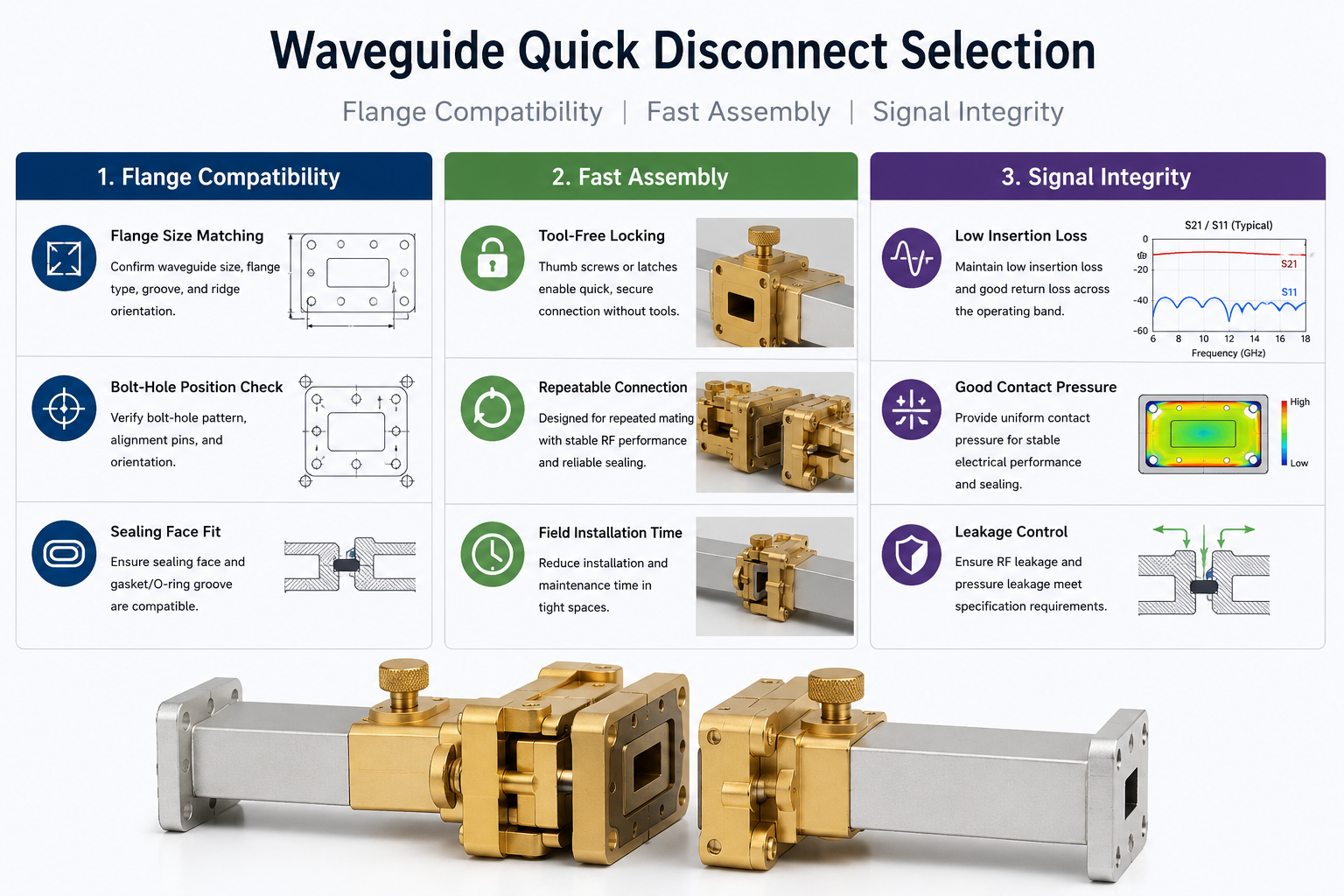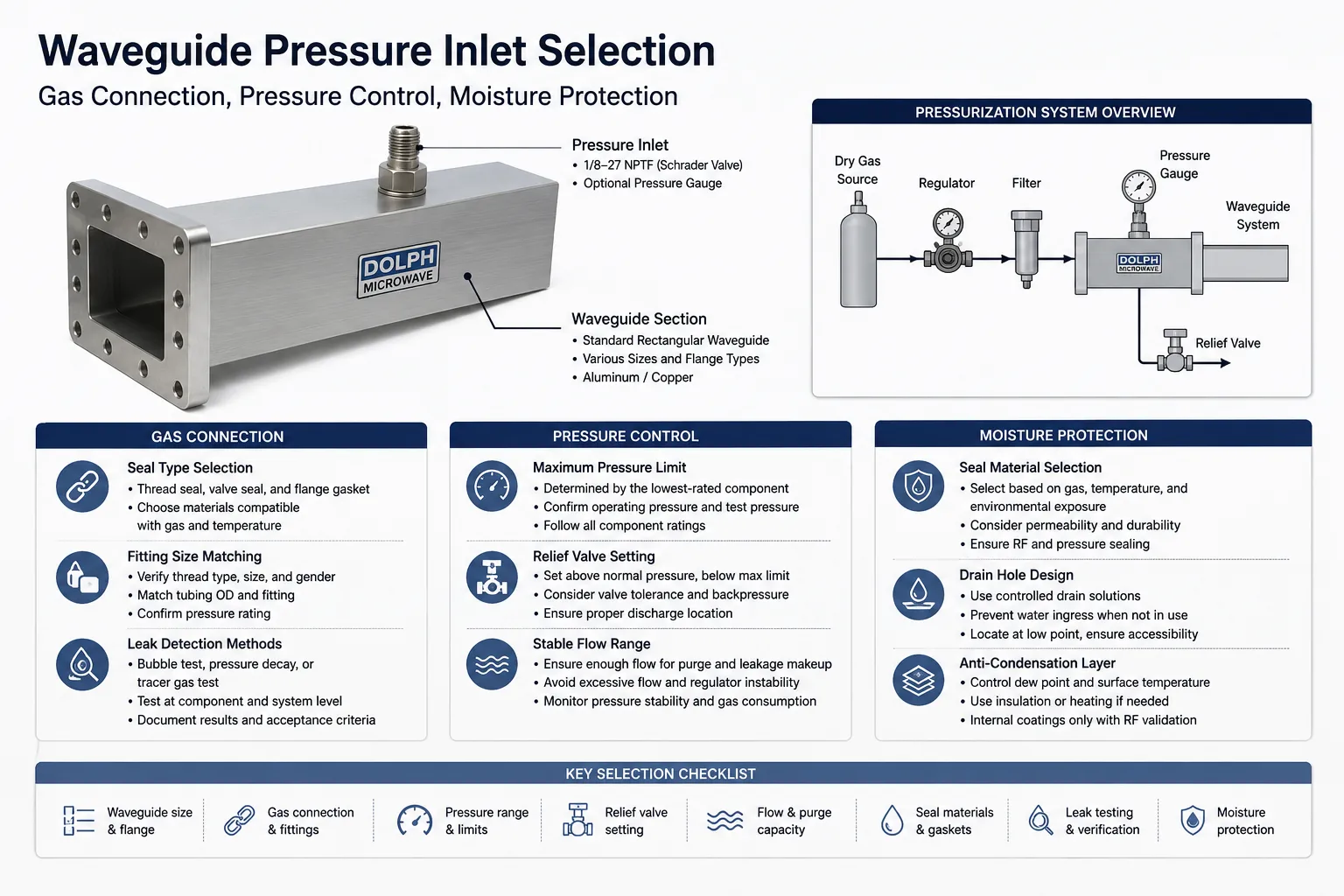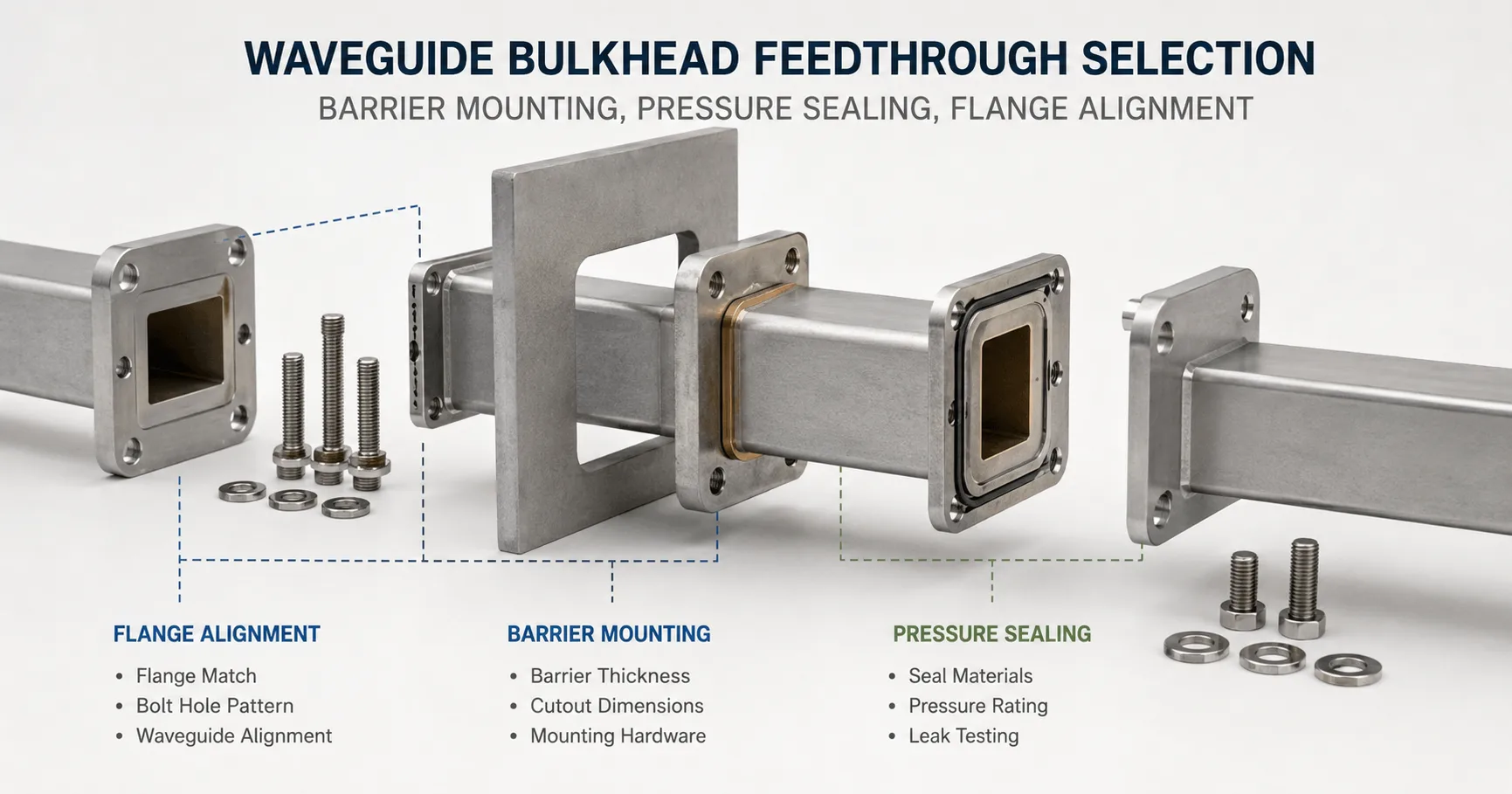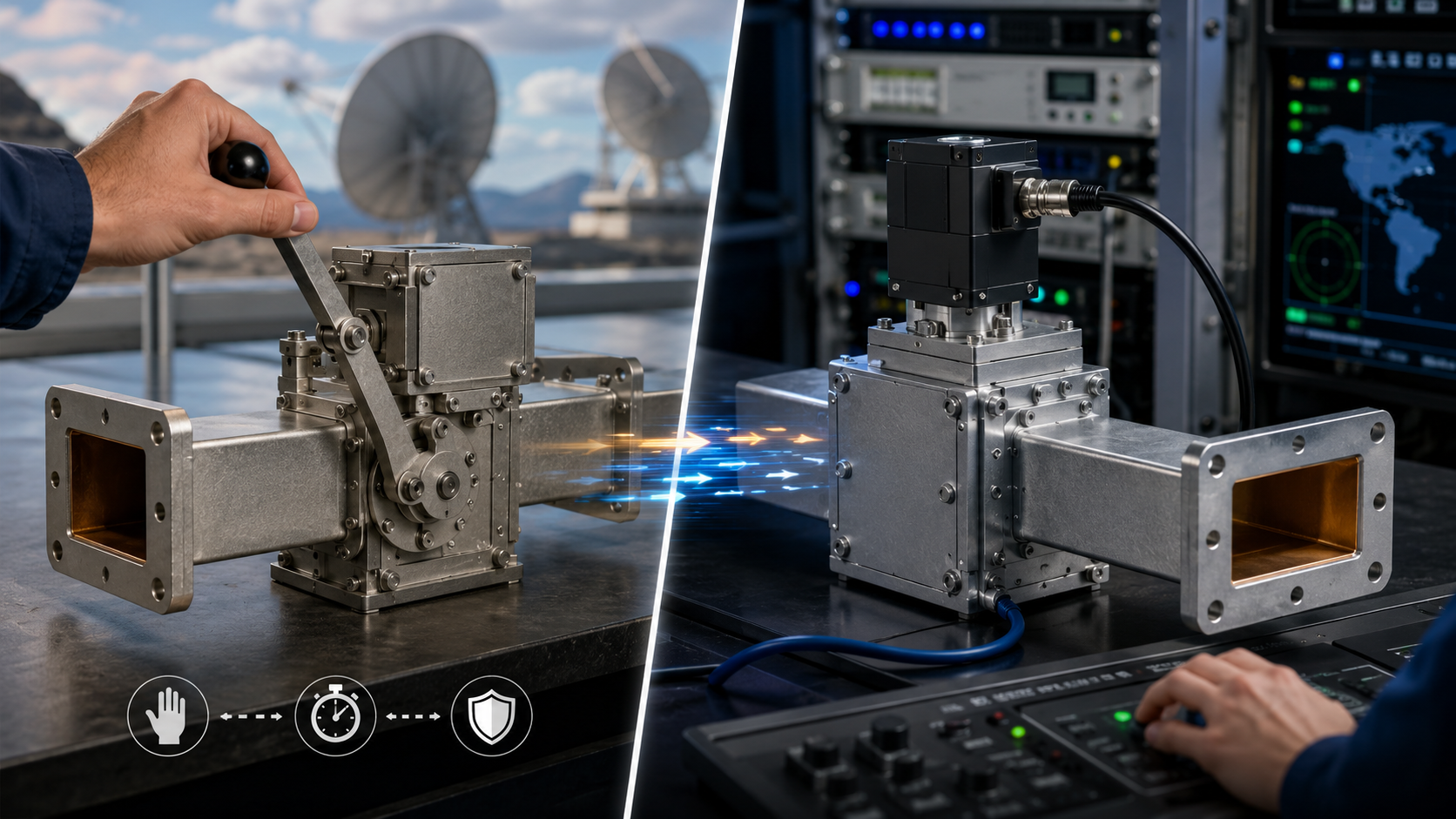
A rotary coupling, or joint, transmits signals or power between stationary and rotating parts. It uses precisely aligned waveguide channels or coaxial rings to maintain a continuous electrical path, often handling high power (e.g., 10 kW) at frequencies like 10 GHz, with minimal signal loss (<0.5 dB) and VSWR below 1.5:1.
Table of Contents
What is a Rotary Coupling?
They are fundamental in machines where continuous rotation is required alongside a reliable fluid supply for heating, cooling, or power transmission. For instance, in a paper manufacturing machine, a typical rotary coupling might continuously transfer steam at ≥150 psi pressure and 180–220°C temperature into a rotating drying drum for 24/7 operation, handling rotational speeds of 200–500 RPM with a leakage rate of less than 1 drop per minute. These components are built to last; under normal industrial conditions, their service life ranges from 8,000 to 15,000 operating hours before needing a seal replacement.
A standard rotary coupling consists of a stationary housing connected to the fluid supply line and a rotating shaft attached to the machine’s moving part. Internally, precision-ground seals and bearings allow smooth rotation while containing the fluid. Most industrial rotary couplings support operating pressures up to 5,000 psi and can tolerate temperatures from -40°F to 400°F (-40°C to 204°C), depending on the seal material and housing design. Sizes vary widely: smaller couplings for light machinery may have ½-inch NPT ports, while heavy-duty versions for steel mills or printing presses use 4-inch flanges and handle flow rates up to 300 GPM.
A key advantage of modern rotary couplings is their ability to support multiple independent fluid channels in a single unit—for example, a dual-flow coupling can simultaneously supply hot oil (at 200°C) and return cooled oil (at 90°C) within the same spindle, optimizing space and reducing maintenance points.
In injection molding machines, couplings built for high-temperature thermal oil often use graphite-impregnated seals to resist wear, while those in hydraulic systems might prioritize pressure rating—e.g., 3,000–5,000 psi—with hardened steel bodies. The rotational speed is another critical factor: standard couplings operate reliably at ≤1,000 RPM, but high-speed models with balanced shafts and ceramic seals can exceed 5,000 RPM, common in CNC machining centers. Ultimately, understanding the fluid type, pressure, temperature, and rotational demand ensures the coupling delivers leak-free performance for over 10,000 hours, minimizing downtime and maintenance costs.
Key Parts and Their Roles
For example, a typical industrial rotary coupling used in a steam-heated drying drum operates under 150 to 200 PSI at 200°C and rotates at 300 to 800 RPM. Its service life of 12,000 to 18,000 hours depends directly on the quality and compatibility of these internal parts. Understanding what’s inside helps in selecting the right coupling and avoiding premature failure.
| Component | Primary Material(s) | Key Function | Typical Performance Data |
|---|---|---|---|
| Housing (Stationary) | Carbon Steel, 316 Stainless Steel | Contains fluid inlet, mounts to fixed supply line | Pressure rating: up to 5,000 PSI; Temperature range: -30°C to 250°C |
| Rotating Shaft | Hardened Steel, Stainless Steel | Transfers fluid into rotating machinery | Handles speeds ≤ 1,500 RPM; Standard shaft diameters: 20 mm to 150 mm |
| Seals (Primary) | Graphite, PTFE, Carbide, Ceramic | Prevents fluid leakage between stationary & rotating parts | Leak rate: < 1 drop/min; Avg. seal life: 8,000 – 15,000 hrs |
| Bearings | Chrome Steel, Ceramic Hybrid | Supports radial loads, enables smooth rotation | Dynamic load capacity: ~5 kN; Bearing life (L10): 20,000 hrs |
| Retainer & Spring | Stainless Steel (304/316) | Maintains constant seal contact pressure | Spring force: ~50 – 200 N; Compensates for ~2 mm of wear |
The housing is the stationary outer body, typically constructed from carbon steel or 316 stainless steel for corrosion resistance. It features threaded ports (e.g., NPT ½” to 2″) or flanges for connecting to fixed piping. Its primary role is to contain the internal pressure, which can range from a vacuum up to 5,000 PSI in high-pressure hydraulic applications. The rotating shaft is the heart of the assembly, directly connected to the machine’s rotating element. It’s usually machined from hardened 4140 steel or 304 SS and is precision-ground to a surface finish of ≤ 0.8 μm Ra to ensure optimal seal contact. This shaft rotates on a set of deep groove ball bearings rated for a dynamic load of 4.5 kN to 10 kN, which support both radial forces and some axial thrust.
For high-temperature steam over 200°C, graphite-impregnated seals are common, offering a lifespan of ~10,000 hours. In applications with high rotational speeds exceeding 3,000 RPM, silicon carbide or alumina ceramic seals are used for their extreme hardness and wear resistance, potentially extending service life by 20-30%. A stainless steel wave spring or coil spring provides a constant ~100 Newtons of force, automatically pushing the seals together to compensate for wear over thousands of operating hours, maintaining the seal even as components gradually wear down by 0.5 mm or more. This entire assembly is designed for minimal maintenance, often requiring only a seal replacement every 1-2 years under continuous operation.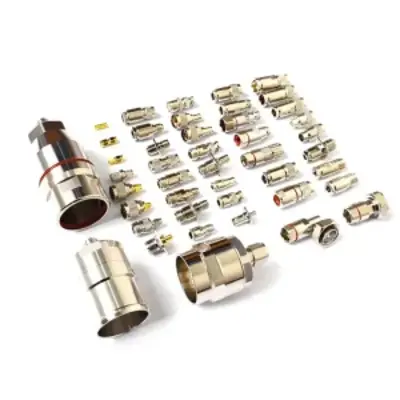
How Sealing While Rotating Works
For instance, in a plastic injection molding machine, the rotary coupling must seal hydraulic oil at 2,000 PSI and 60°C while the mold spindle rotates at ≤ 50 RPM, achieving a leakage rate of less than 0.1 milliliters per hour.
| Aspect | Key Feature | Typical Performance Data & Tolerances |
|---|---|---|
| Primary Seal Type | Mechanical Face Seal | Leak rate: < 0.05 cm³/hr; Life expectancy: 8,000 – 20,000 hrs |
| Seal Face Materials | Carbon-Graphite vs. Silicon Carbide, Tungsten Carbide | Surface flatness: ≤ 0.0005 mm; Roughness: ≤ 0.2 μm Ra |
| Spring Load | Stainless Steel Coil or Wave Spring | Constant force: ~70 – 250 N; Compensates for ~1.5 mm of wear |
| Lubrication & Film | Hydrodynamic/Elastohydrodynamic | Fluid film thickness: ~0.5 – 2.5 μm; Friction coefficient: ~0.02 – 0.08 |
| Operating Window | Balanced for Pressure (P) & Velocity (V) | Max PV value: ~3.5 MPa·m/s; Speed limit: ≤ 3,000 RPM |
These two rings are lapped to a near-perfect flatness, with a surface finish of ≤ 0.2 micrometers (Ra). They are pressed together by a stainless steel spring applying a consistent force of approximately 100 to 150 Newtons. This initial spring force is the primary seal at startup and under low-pressure conditions. However, this force alone would cause rapid wear and overheating if the faces were in dry contact. The real magic happens when fluid pressure and rotation begin. The internal system pressure, say 1,500 PSI, acts behind the stationary seal, adding a massive hydraulic closing force that can exceed 1,000 N, dramatically increasing the sealing pressure.
As it spins at 500 RPM, these micro-grooves pump a minute amount of the sealed fluid (e.g., hydraulic oil) between the two seal faces. This action creates a hydrodynamic lubricating film only 1 to 2 microns thick. This fluid film does two critical things: it prevents direct metal-to-ceramic contact, reducing friction and heat generation, and it actually becomes the primary sealing barrier. The fluid’s surface tension and the extreme narrowness of the gap create an effective seal. The PV value (Pressure × Velocity), a key metric for seal performance, must be kept below 3.0 MPa·m/s for the chosen material pair (e.g., silicon carbide vs. carbon) to ensure a stable film and prevent thermal cracking. This delicate balance allows the seal to operate for over 15,000 hours with minimal wear, measured in microns of material loss per thousand hours.
Common Uses in Industry
Their value lies in enabling 24/7 production efficiency by eliminating the need for hoses that would twist and fail. For example, in a large paper mill, dozens of rotary couplings on a single machine can transfer saturated steam at 180–220°C and 150 PSI into drying cylinders rotating at 300–800 RPM, directly contributing to the production of over 1,000 metric tons of paper per day
Large, motor-driven drying cylinders, often 1.5 to 2.5 meters in diameter, require a constant supply of steam for heating. Heavy-duty rotary unions, typically with 2-inch NPT ports and carbon graphite seals, are mounted on each cylinder journal. They operate continuously at ~150 PSI steam pressure and internal temperatures of ~200°C, with an expected seal life of approximately 12–18 months before preventative maintenance is needed.
On a calender machine processing PVC sheeting, a rotary coupling circulates thermal oil at 220°C through a series of rolls that are rotating at 20–50 RPM. The coupling must handle a temperature differential of over 150°C between the incoming and return oil, often within a compact dual-flow design. In injection molding, smaller couplings are used to run cooling water at ~90 PSI through the rotating platen or core pulls, with cycle times often less than 60 seconds, requiring extremely reliable performance over thousands of cycles.
A common offset printing unit might use four to six couplings per color station. These units are smaller, with ¼-inch or ⅜-inch ports, and are designed for lower pressures (~40 PSI) but very precise flow control to ensure print quality. Their lifespan is often shorter due to the abrasive nature of some pigments, requiring seal replacement every 6–12 months in high-use environments.
Maintenance and Leak Prevention
A well-executed maintenance strategy can extend the mean time between failures (MTBF) from a baseline of 8,000 hours to over 20,000 hours, directly reducing unplanned downtime that can cost over $500 per hour in a stalled production line. The primary goal is to prevent external leakage, which often starts as a minor seepage of less than 5 drops per minute but can rapidly escalate into a catastrophic failure, leading to product contamination, safety hazards, and damage to other machine components like bearings and electrical systems.
A consistent inspection and replacement schedule is non-negotiable. The following checklist outlines the core maintenance activities:
- Visual & Operational Checks (Every 500 Operating Hours): Inspect for any external fluid seepage or crusting around the housing-shaft interface. Listen for unusual grinding or squealing noises during operation, which indicate dry-running seals or bearing failure. Use a non-contact infrared thermometer to check the coupling’s external temperature; a reading >10°C (18°F) above the normal operating temperature for that specific application is a strong indicator of internal friction and impending seal failure.
- Seal & Bearing Replacement (Preventative, Time-Based): Plan for a full seal and bearing replacement based on the application’s severity. For high-temperature steam service (>150°C), this interval is typically 8,000 to 12,000 hours. For lower-pressure, lower-temperature water applications (<80°C, <100 PSI), the interval can be extended to 18,000-24,000 hours. The cost of a basic seal kit is typically 150−400, a negligible expense compared to the $5,000+ cost of a full coupling replacement and associated downtime.
- Internal Flushing & Cleaning (Based on Fluid Contamination): In systems using coolant or water, mineral buildup and biological growth can clog internal passages and abrade seals. For these applications, perform a flush with a mild acidic solution (e.g., a 5% citric acid mix) every 2,000-3,000 hours to dissolve scale. In hydraulic systems, ensure fluid cleanliness meets ISO 18/16/13 or better; particulate contamination is a leading cause of seal face scratching and premature failure, potentially reducing seal life by 50% or more.
The most critical maintenance practice is monitoring and maintaining the quality and level of the fluid being transferred. Contaminated fluid is a primary killer of seals. In a hydraulic system, just 1 gram of abrasive particulate per 100 liters of oil can increase the wear rate on silicon carbide seal faces by a factor of three. Similarly, using water with high mineral content in cooling applications leads to limescale deposition on the precise seal faces in as little as three months, breaking the lubricating film and causing rapid, catastrophic wear. Always ensure the fluid specifications (viscosity, additive packages, cleanliness) are compatible with the coupling’s seal materials.
For example, certain synthetic lubricants can cause swelling and softening of specific PTFE-based seals, reducing their pressure handling capability from 3,000 PSI to below 1,000 PSI and leading to sudden leakage. A small investment in $50 fluid analysis tests every 2,000 hours can predict these issues and prevent costly failures.
Choosing the Right Type
A mismatch between the coupling and its application is a leading cause of premature failure, which can cost $10,000 or more in lost production and replacement parts. For instance, using a standard water coupling with carbon steel internals for a steam application at 180°C will likely result in seal degradation and catastrophic failure in less than 1,000 hours, whereas the correct stainless steel unit with graphite seals would last over 15,000 hours.
The first step is to define your non-negotiable operating conditions with extreme precision. This creates a filtering criteria for viable options.
- Fluid Media: Water, Steam, Thermal Oil, Hydraulic Oil, Glycol, Air, Ink
- Max Operating Pressure: 100 PSI, 500 PSI, 1500 PSI, 3000+ PSI
- Max Operating Temperature: 90°C, 150°C, 200°C, 300°C, 400°C
- Rotational Speed (RPM): <100 RPM, 100-500 RPM, 500-1500 RPM, >1500 RPM
- Connection Type & Size: 1/4″ NPT, 1/2″ NPT, 3/4″ SAE, 1″ Flange
- Critical Requirement: Multi-Passage, High-Speed, Corrosion Resistance, FDA Approved
With your core parameters defined, you can narrow down choices using a performance-based selection matrix. The following table contrasts common types and their optimal application ranges based on the critical Pressure-Velocity (PV) factor that dictates seal life.
| Coupling Type | Primary Seal Materials | Ideal Application Range | Avg. Seal Life | Cost Index (1-10) |
|---|---|---|---|---|
| Economy General Duty | PTFE, Buna-N | Water/Coolant, <90°C, <150 PSI, <300 RPM | 6,000 – 10,000 hrs | 3 |
| High-Temperature Steam | Graphite, Carbon | Saturated Steam, 150-220°C, 100-200 PSI, <800 RPM | 12,000 – 18,000 hrs | 6 |
| High-Pressure Hydraulic | Tungsten Carbide, Ceramic | Hydraulic Oil, <80°C, 2000-5000 PSI, <100 RPM | >20,000 hrs | 8 |
| High-Speed Spindle | Silicon Carbide, Ceramic | Coolant, <50°C, <100 PSI, >3000 RPM | 15,000 – 25,000 hrs | 9 |
| Corrosion-Resistant (Chemicals) | 316SS, Hastelloy, FFKM | Acids, Solvents, <100°C, <100 PSI, <500 RPM | 8,000 – 12,000 hrs | 7 |
For a high-speed CNC machining center spindle (5,000 RPM), a silicon carbide vs. silicon carbide seal face pairing is mandatory. This hard-on-hard combination generates minimal heat and maintains integrity at high surface speeds, offering a ~30% longer life than carbide vs. carbon in this specific duty. Conversely, for a low-speed hydraulic index table operating at 30 RPM and 3,000 PSI, a tungsten carbide vs. carbon graphite pairing is superior.