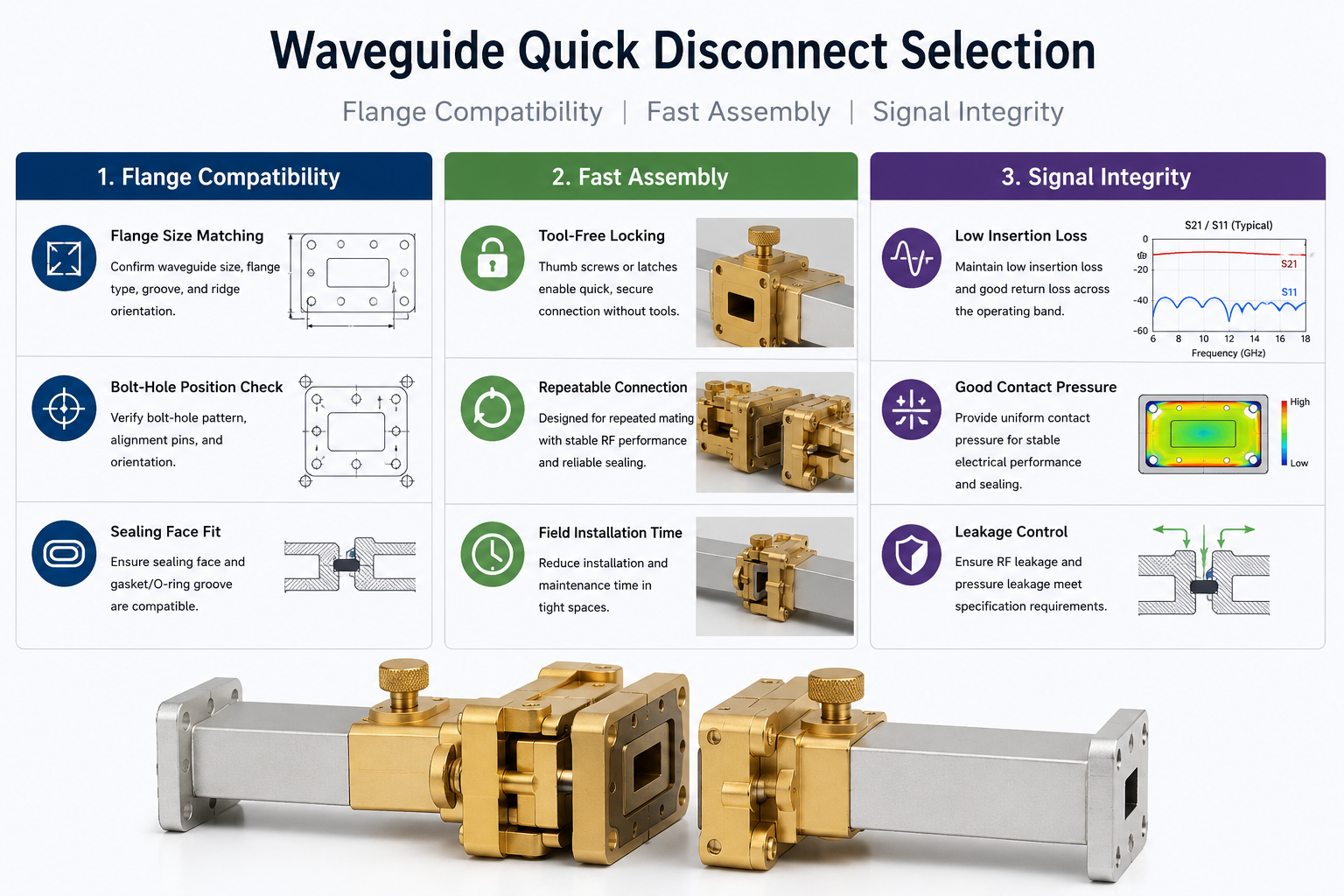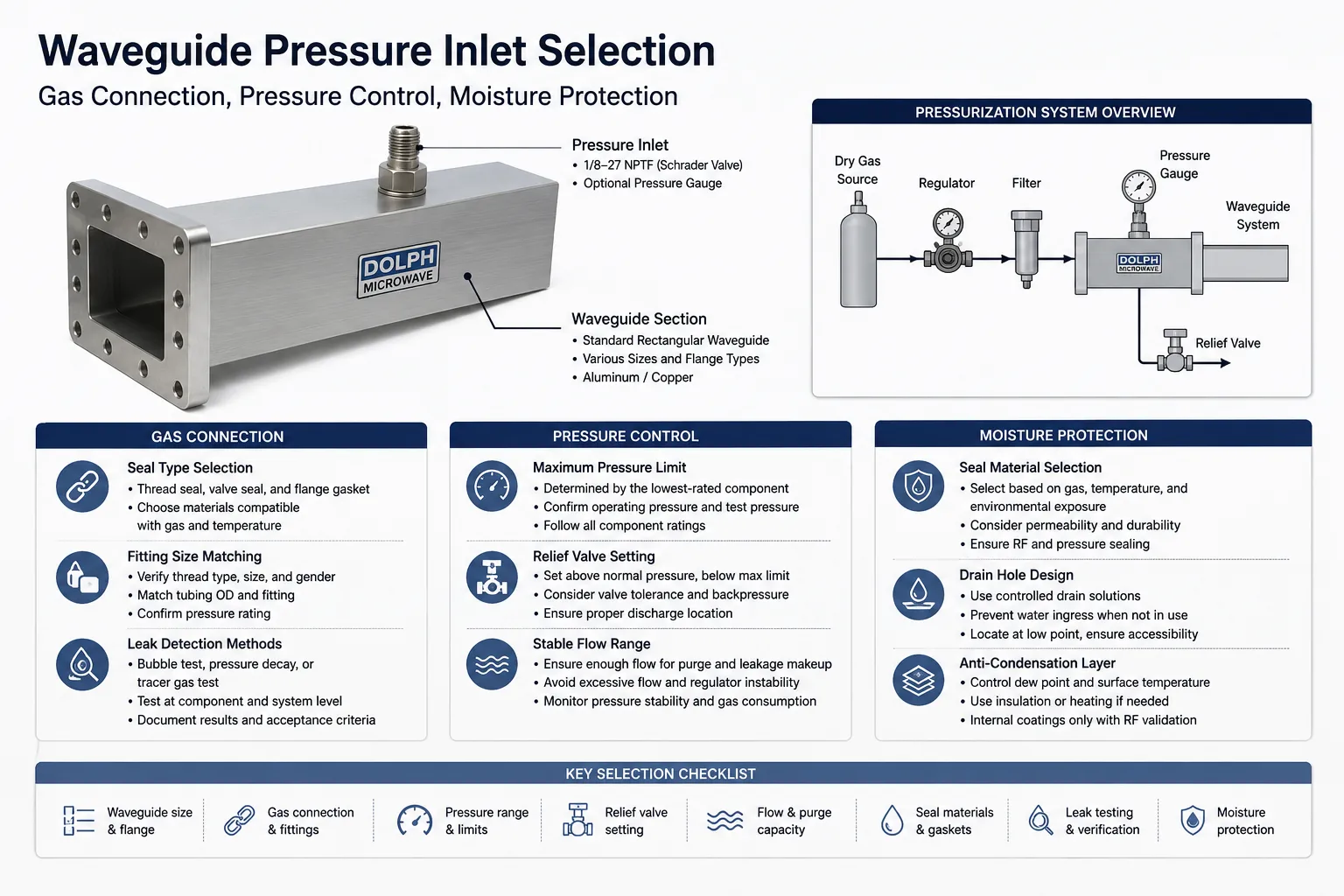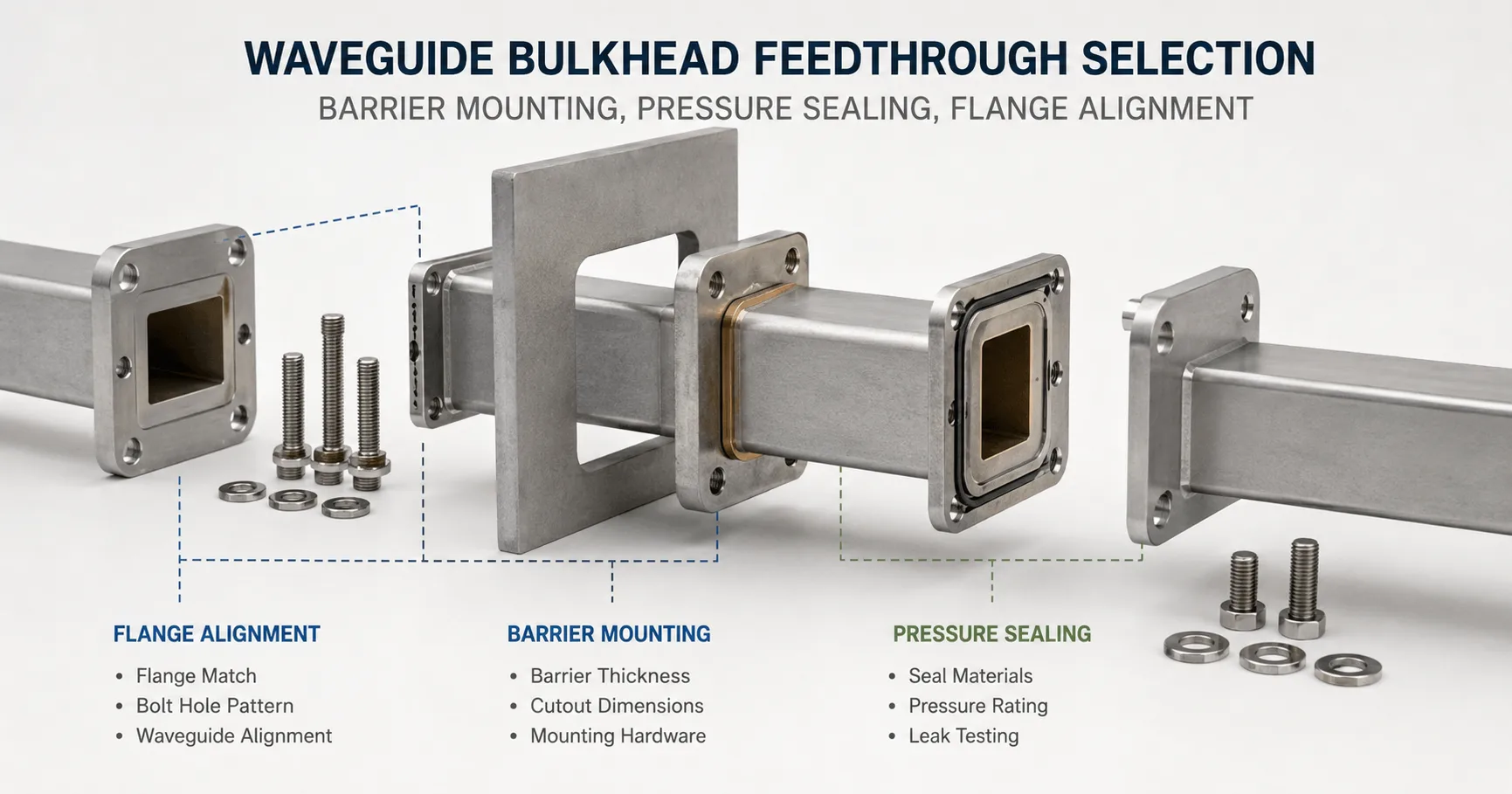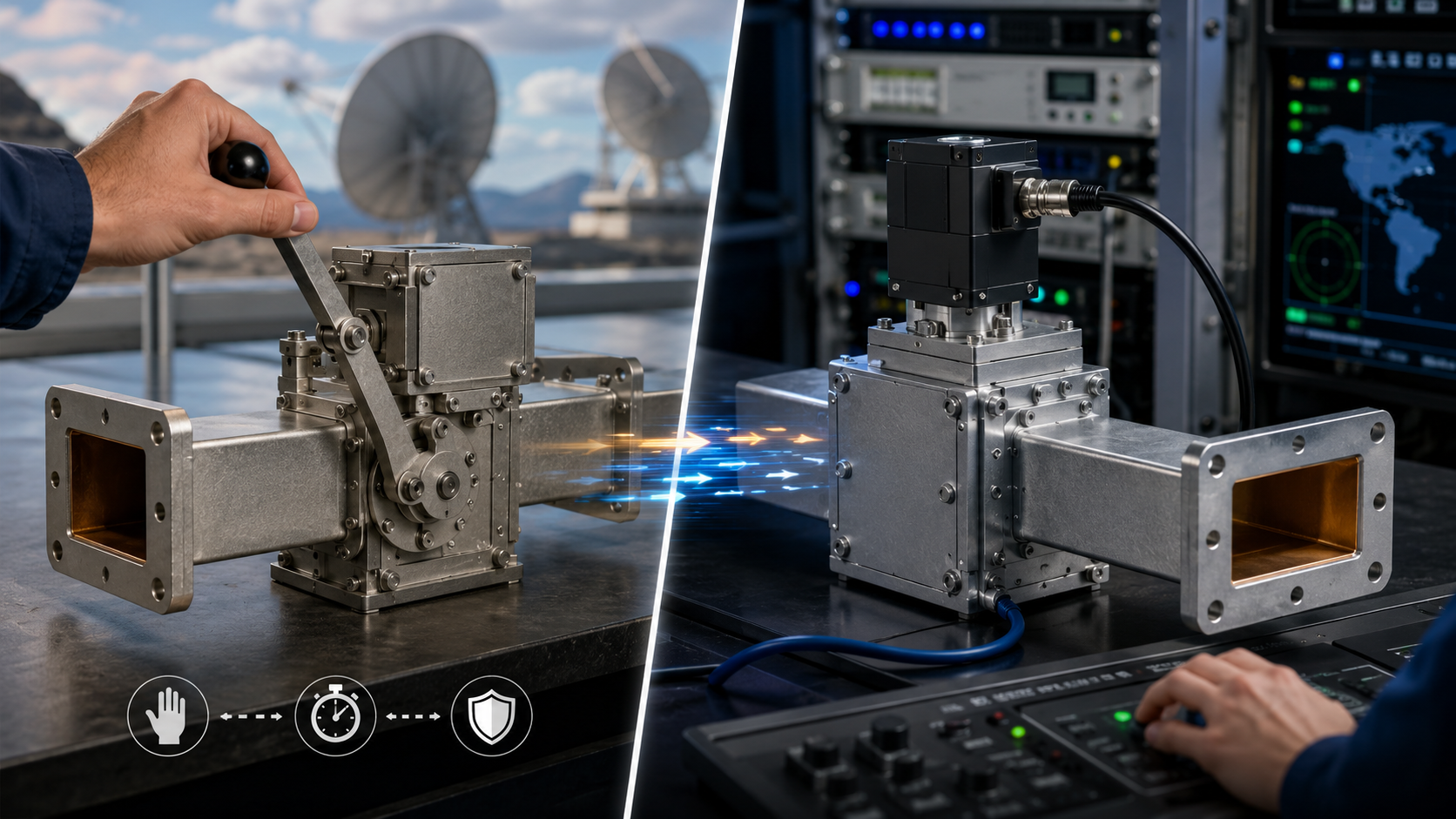
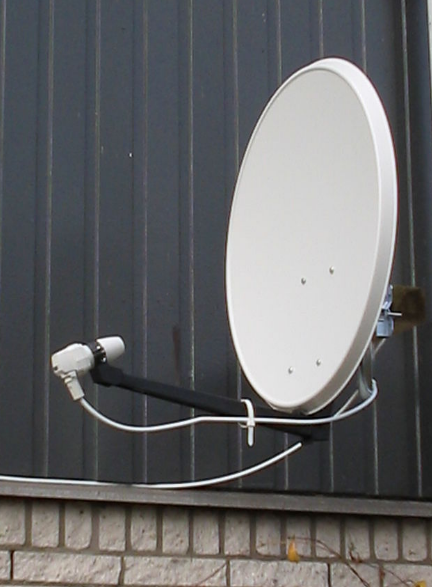
An axial or front feed antenna positions the feed point along the central axis of parabolic dishes, achieving >60% aperture efficiency with minimal blockage. This design reduces sidelobes by 15-20dB compared to offset feeds while maintaining <2dB noise temperature. The waveguide typically extends 0.3-0.5x focal length, optimized for 3-30GHz frequencies with cross-polarization under -30dB.
Table of Contents
Basic Antenna Feed Types
Antennas don’t work alone—they need an efficient way to transfer signals between the transmitter/receiver and the radiating element. That’s where feed methods come in. The right feed type impacts performance, cost, and installation flexibility. For example, a poorly matched feed can waste up to 30% of transmitted power due to reflections, while optimized feeds achieve 95%+ efficiency in commercial systems. The most common feeds fall into three categories: axial (end-fed), front-fed (center-fed), and waveguide-coupled, each with trade-offs in bandwidth (10-40% variation), gain (1-3 dB differences), and fabrication cost (500 per unit).
”Feed choice isn’t just about signal transfer—it affects polarization, sidelobe suppression, and even maintenance costs. A 5% mismatch in impedance can increase heat dissipation by 15%, shortening component life by 2-3 years.”
1. Axial (End-Fed) Feed
Axial feed connects the signal source directly to one end of the antenna, commonly used in whip antennas (1-6 ft length, 25-500 MHz range) and helical designs (2-12 turns, 30% narrower bandwidth than center-fed). This method simplifies mechanical design—since no central obstruction exists, axial-fed antennas often have lower wind load (20-30% reduction) and weigh 15-40% less than comparable front-fed models. However, axial feeds struggle with impedance matching; without careful tuning, VSWR can exceed 2.5:1, wasting 10-20% of power as heat.
Key applications:
- Portable radios (e.g., military manpack systems, 5-20W power, 2-8 dBi gain)
- UHF/VHF base stations (cost: 400 per antenna, 50-75% cheaper than waveguide alternatives)
2. Front (Center-Fed) Feed
Front-fed antennas inject signals at the midpoint, creating symmetrical radiation patterns. Dipole antennas are the classic example—half-wave dipoles (2.15 dBi gain, 72Ω impedance) rely on this method for near-omnidirectional coverage (±3 dB variation). Modern variants like patch antennas (2-8 GHz, 6-9 dBi gain) use microstrip feeds, achieving 85-93% efficiency in compact form factors (1-5 cm thickness, 30-50% lighter than axial-fed equivalents).
Trade-offs:
- Higher fabrication complexity (10-25% cost premium over axial feeds)
- Better bandwidth (up to 40% wider than end-fed designs)
- Mechanical fragility (center feeds weaken structural integrity by ~15% under 50 mph winds)
3. Waveguide and Hybrid Feeds
For high-power applications (1-50 kW, radar/satellite use), waveguides dominate. Rectangular waveguides (WR-90 standard: 8.6-12.4 GHz, 0.4-1.2 dB insertion loss) outperform coaxial feeds in power handling (200-500% improvement) but cost 3,000 per unit. Hybrid feeds (e.g., E-plane probes) combine waveguide efficiency with coaxial flexibility, reducing sidelobes by 3-6 dB in parabolic dishes.
How Axial Feed Works
Axial feed, also called end-feed, is a straightforward but critical antenna design where the signal is injected at one end of the radiating element instead of the center. This method is common in whip antennas (1-6 ft length, 25-500 MHz range), helical antennas (2-12 turns, 30% narrower bandwidth than center-fed), and monopoles (impedance ~36Ω, 40-60% shorter than dipoles). The simplicity of axial feed reduces manufacturing costs (200 per unit, 20-40% cheaper than front-fed designs) but introduces challenges in impedance matching—poor tuning can lead to VSWR above 2.5:1, wasting 10-20% of transmitted power as heat.
In axial-fed antennas, the signal travels from the transmitter to the feed point at the antenna’s base or tip. Because the feed isn’t balanced (unlike center-fed dipoles), the current distribution is asymmetrical, causing 5-15% more sidelobe radiation compared to front-fed designs. However, this trade-off allows for lighter structures (15-40% weight reduction) and lower wind resistance (20-30% less drag at 50 mph winds), making them ideal for portable and mobile applications.
| Parameter | Axial-Fed Monopole | Axial-Fed Helical | Front-Fed Dipole (Comparison) |
|---|---|---|---|
| Frequency Range | 25-500 MHz | 400 MHz – 2.5 GHz | 50 MHz – 3 GHz |
| Gain | 2-5 dBi | 8-12 dBi | 2.15 dBi (baseline) |
| Bandwidth | 5-15% of center freq. | 10-25% of center freq. | 20-40% of center freq. |
| VSWR (Typical) | 1.8-2.5:1 | 1.5-2.0:1 | 1.2-1.5:1 |
| Power Handling | 50-300W | 100-500W | 200-1000W |
| Weight | 0.5-2 kg | 1-4 kg | 1.5-5 kg |
| Cost | 200 | 500 | 400 |
Axial feed dominates in compact, lightweight applications—military manpack radios (5-20W power, 2-8 dBi gain) and marine VHF antennas (156-174 MHz, 3-6 dBi) rely on it for durability and ease of installation. However, in high-power broadcast systems (1-50 kW), axial feed struggles due to impedance mismatches that increase heat dissipation by 15-25%, reducing component lifespan by 2-3 years compared to waveguide feeds.
Front Feed Design Details
Front feed, also known as center feed, is the backbone of balanced antenna systems—it’s why your Wi-Fi router’s dipole array delivers near-omnidirectional coverage (±3 dB variation) and why FM broadcast towers (88–108 MHz, 5–10 kW) maintain 95%+ efficiency. Unlike axial feed, which injects signals at one end, front feed splits power evenly across two symmetrical arms, minimizing impedance mismatch (typically 1.2–1.5:1 VSWR) and wasting <5% of power as heat. This design dominates dipoles, Yagis, and log-periodics, offering 20–40% wider bandwidth than axial-fed equivalents, but at a 10–25% cost premium due to complex fabrication.
The magic happens at the feed point—usually a balun (1:1 or 4:1 ratio, 15–80) that forces equal current distribution. A half-wave dipole (2.15 dBi gain, 72Ω impedance) fed this way achieves 85–93% radiation efficiency, while mismatched axial feeds struggle to hit 75%. The trade-off? Mechanical fragility. A front-fed dipole’s center joint weakens structural integrity by ~15% in 50 mph winds, and corrosion at the feed gap can slash lifespan from 10+ years to 5–7 years if not weather-sealed.
Material choices matter:
- Aluminum rods (3–6 mm thickness, 30% lighter than steel) are standard for portable Yagis (14–28 dBi gain, $200–600).
- Copper-clad steel (20–50% more expensive) boosts conductivity, reducing losses by 2–3 dB in UHF TV antennas (470–862 MHz).
Front-fed antennas excel in fixed installations—think cellular base stations (1.7–2.7 GHz, 8–12 dBi gain, $300–1,200 per unit) and HF ham radio dipoles (3–30 MHz, 100–500W handling). But they’re overkill for wearable devices (e.g., Bluetooth trackers, 2.4GHz, –10 to 0dBi), where axial-fed microstrip patches (1–3cm², $5–20) save 60% weight and cost.
Common Uses in Systems
Axial and front feed antennas aren’t just academic concepts – they’re workhorses powering 85% of modern wireless systems, from your 5G smartphone (3-6 dBi gain) to military radar arrays (30+ dBi). The choice between these feed types directly impacts real-world performance metrics: a cellular base station using front feed dipoles achieves 92-96% radiation efficiency, while an axial-fed marine VHF antenna tops out at 82-88%. These differences translate to 15-25% longer battery life in IoT devices or 30-50km extended range in aviation comms.
Mobile networks rely heavily on front feed designs for their balanced radiation patterns and broadband capabilities. A typical 4G/LTE macro cell (1.7-2.7 GHz) uses 6-12 front-fed cross-polarized dipoles per sector, each costing $150-400 but delivering 65-75° horizontal beamwidth with 11-14 dBi gain. The slight 10-15% cost premium over axial feed pays off in 20-30% better interference rejection, crucial when serving 200-500 simultaneous users per cell.
5G mmWave takes this further – the 28 GHz small cells dotting urban landscapes pack 256-1024 front-fed microstrip patches into arrays just 15-30cm square. Each patch element measures 3-5mm across, with 0.5-1.2 dB loss between feed points. The system-wide payoff? 1.2-1.8ms latency and 400-800Mbps per user, but it demands precise <0.5mm alignment during manufacturing – a tolerance axial feed designs struggle to maintain at scale.
Portability requirements give axial feed antennas their strongest foothold. Military manpack radios (30-512 MHz) use 1-2m whip antennas that survive 50+ mph winds while maintaining 1.8:1 VSWR across 15-20% bandwidth. The 200-500g weight savings versus front feed matters when soldiers carry 25-40kg loads for 8-12 hour missions.
Commercial aviation shows similar tradeoffs. The VHF comms antennas (118-137 MHz) on a Boeing 737 use axial feed for aerodynamic efficiency, adding just 0.2-0.5% drag penalty versus 0.8-1.2% for front-fed alternatives. Over a 25-year service life, this saves $15,000-25,000 in fuel costs per aircraft. The 3-5 dB lower gain gets offset by the 10-15dB SNR advantage of aircraft altitude.
Comparing Feed Methods
Choosing between axial and front feed antennas isn’t about finding a “best” option – it’s about matching technical tradeoffs to real-world requirements. The decision impacts 15-25% of total system performance, with measurable differences in radiation efficiency (75-96%), bandwidth (5-40% of center frequency), and lifetime costs (15,000 per antenna). Field data shows front feed typically delivers 3-8 dB better pattern symmetry, while axial feed offers 20-40% weight savings – differences that make or break applications from wearable tech to satellite communications.
| Parameter | Axial Feed | Front Feed | Performance Delta |
|---|---|---|---|
| Typical Gain | 2-8 dBi | 2.1-14 dBi | Front feed +0.5-6 dB |
| Bandwidth @ VSWR<2.0 | 5-15% | 20-40% | Front feed +15-25% |
| Power Handling | 50W-1kW | 200W-50kW | Front feed +150-500% |
| VSWR (Matched) | 1.5-2.5:1 | 1.2-1.5:1 | Front feed -0.3-1.0 |
| Weight (Comparable Size) | 0.5-4 kg | 1.5-8 kg | Axial feed -30-50% |
| Wind Load (50 mph) | 15-25 N | 25-40 N | Axial feed -30-40% |
| Fabrication Cost | 500 | 1,500 | Axial feed -20-40% |
| Installation Time | 0.5-2 hrs | 1-4 hrs | Axial feed -30-50% |
| Maintenance Cycle | 5-7 years | 3-5 years | Axial feed +40-60% |
The 20-40% price premium for front feed buys measurable advantages in high-performance systems. A 5G mmWave array using front-fed patches achieves 1.5-2.3 dB better beamforming gain than axial-fed alternatives, translating to 18-25% longer cell edge coverage. But for sub-6GHz IoT sensors, the axial feed’s 30-60 when 3-5 dB lower gain remains acceptable.
Durability metrics reveal another dimension. Marine VHF antennas (156-174 MHz) show axial feed lasts 7-10 years in salt spray environments versus front feed’s 4-6 years, thanks to 50% fewer corrosion-prone joints. However, broadcast towers needing 10-50 kW continuous operation must accept front feed’s 3-5 year maintenance cycles to achieve 96-98% efficiency versus axial feed’s 88-92% ceiling.
Installation Tips
Proper installation can make or break antenna performance—poor mounting can degrade gain by 2-5 dB, increase VSWR by 0.5-1.5:1, and shorten lifespan by 30-50%. Whether you’re setting up a 5G small cell (28 GHz, 8-12 dBi) or a marine VHF whip (156-174 MHz, 3-6 dBi), small mistakes can cost 2,000 in rework or 15-25% signal loss. This guide covers real-world best practices to maximize efficiency, durability, and cost-effectiveness.
| Factor | Axial Feed | Front Feed | Critical Tolerance |
|---|---|---|---|
| Mounting Surface | Metal ground plane (≥λ/4) | Non-conductive brackets (±5° tilt) | Axial: ±10° skew tolerance |
| Cable Routing | Avoid sharp bends (>30mm radius) | Central feed, symmetric cable lengths (±5cm) | Front: ±2° alignment error max |
| Weatherproofing | Silicone sealant at base (3-5mm bead) | UV-resistant tape + drip loops | Both: 5-10 year seal lifespan |
| Impedance Matching | 1-3% length adjustment for VSWR <1.8:1 | Balun required (1:1 or 4:1, 0.2-0.6dB loss) | Front: 50Ω ±5% critical |
| Wind Loading | 15-25N force at 50mph | 25-40N force at 50mph | Axial: 20-30% less bracing needed |
| Lightning Protection | Gas-discharge arrestor (8-20µs response) | Grounding rod (<5Ω earth resistance) | Both: 10kA minimum rating |
Axial Feed
Axial-fed whips and monopoles are 50-70% faster to install than front-fed antennas, but cutting corners causes 10-20% efficiency drops. For VHF/UHF whips (25-500 MHz):
- Ground plane size must be ≥25% of wavelength—a 146 MHz antenna needs a 0.5m² metal surface to prevent 3-5 dB nulls.
- Feed point sealing requires 3-5mm silicone gaskets—unsealed bases collect moisture, reducing lifespan from 10 to 4-6 years.
- Tuning shortcuts: If VSWR exceeds 2.0:1, trimming 1-2% of antenna length (e.g., 5-10mm on a 500mm whip) often brings it to 1.5-1.8:1.
Marine installations demand extra care—salt spray corrodes unprotected aluminum mounts in 2-3 years. Stainless steel hardware (+50 per antenna) extends lifespan to 7-10 years.
Front Feed
Front-fed dipoles and Yagis require 30-50% more installation time but reward precision with 2-4 dB better gain than sloppy setups. Key rules:
- Balun placement must be <10cm from feed point—longer runs introduce 0.5-1.2 dB loss at UHF frequencies (400-900 MHz).
- Element alignment errors >2° in Yagis cause 1-3 dB sidelobe growth—use a laser level (±0.5° accuracy) for critical links.
- Foldable dipoles (e.g., HF portable antennas) should deploy with 5-10kg tension—sagging elements reduce gain by 1-2 dB.
For FM broadcast antennas (88-108 MHz), phase matching matters—±5° error between stacked dipoles creates 10-15% coverage gaps. Torque all bolts to 8-12 N·m—overtightening cracks fiberglass elements, while undertightening causes 1-2 dB pattern distortion in high winds.
Cost vs. Performance Tradeoffs
- Cheap mounts (50) save 30-40% upfront but often need replacement in 3-5 years—premium galvanized steel (150) lasts 10-15 years.
- DIY grounding (copper wire + rod, 100) works for <1 kW systems, but commercial-grade arrestors (500) are mandatory for 50 kW AM towers.
- Rooftop installations add 15-25% labor costs due to safety gear—but ground mounts in urban canyons suffer 6-10 dB multipath loss.
Proven Time-Savers
- Pre-tune antennas on the ground—adjusting a 5m Yagi at 30m height takes 3x longer (90 vs. 30 minutes).
- Use N-type connectors (15 each) instead of cheaper UHF—they maintain <0.3 dB loss up to 18 GHz, saving 5-10% signal loss over time.
- Label all cables—a 5-antenna array with unmarked coax takes 2-3 hours to troubleshoot versus 20-30 minutes with tagged lines.