+86 29 8881 0979

default

What is the difference between antenna booster and amplifier

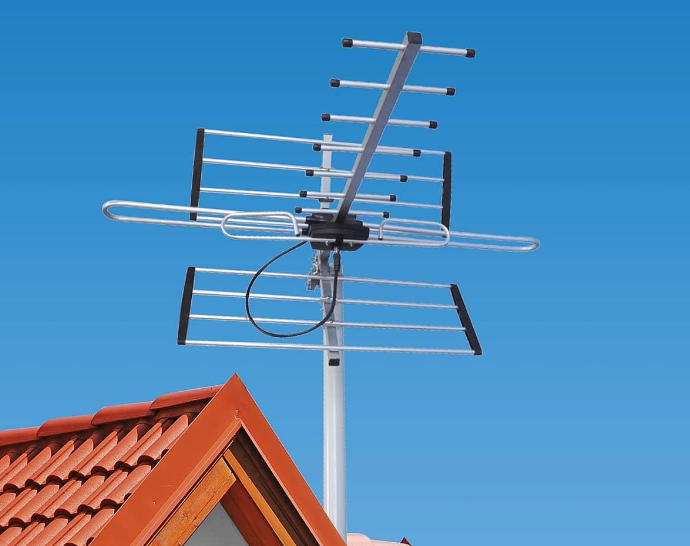
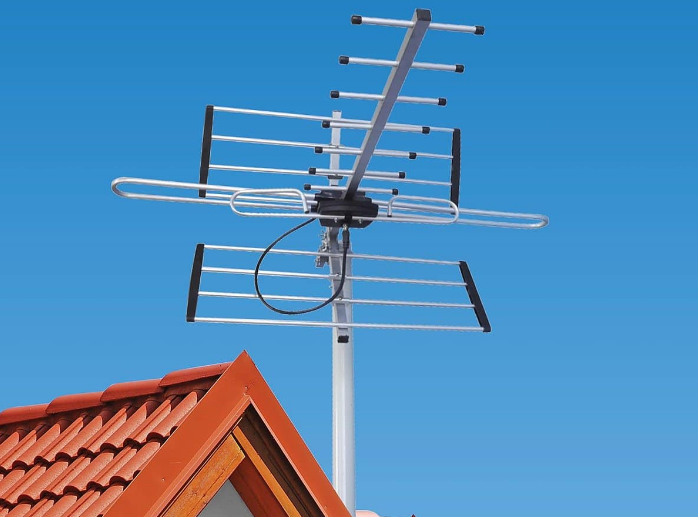
An antenna booster is a passive device like a larger antenna that focuses signals, potentially increasing gain by 3-5 dBi. An amplifier is active, adding power (e.g., 20 dB gain) to signals but also noise, requiring a power source to function. ​​What They Actually Do​​ A ​​2023 study by Wireless Signal Labs​​ found that ​​62% […]

What is the difference between antenna booster and amplifier Read More »
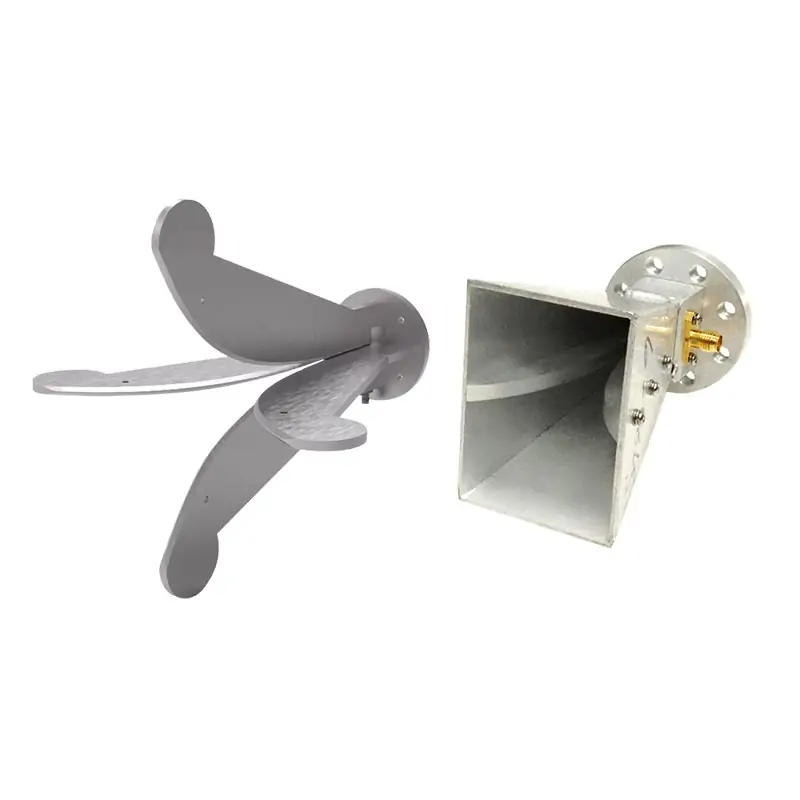
What is a waveguide horn antenna

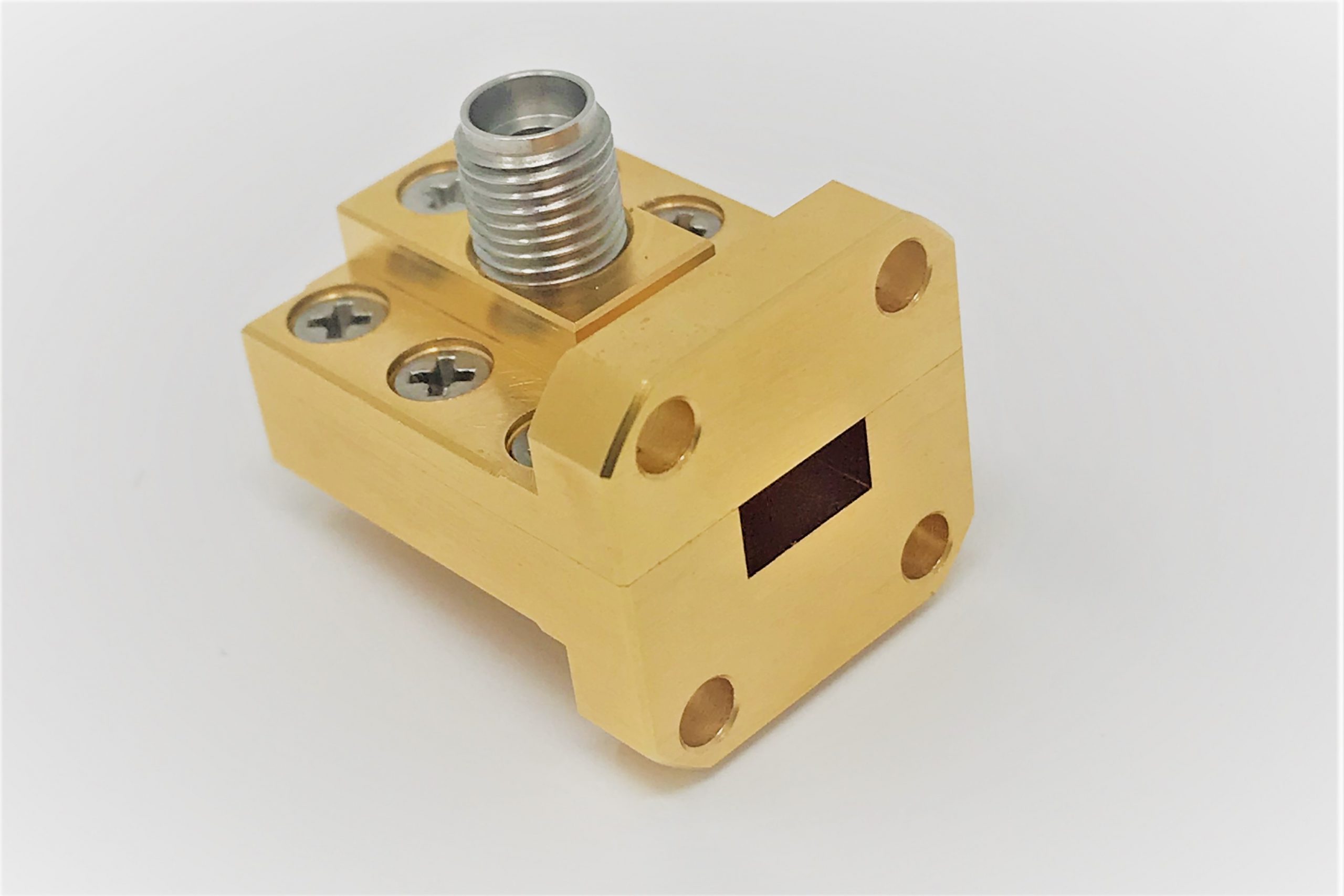
The waveguide horn antenna is a directional antenna extended from a waveguide. Common models include X-band (8.2-12.4GHz), with a gain of 10-20dBi. The radiation efficiency is optimized by adjusting the horn angle and length, and it is widely used in radar and satellite communication systems. Basic Definition Microwave engineers know waveguide horn antennas are the

What is a waveguide horn antenna Read More »

What is the impedance of a rectangular waveguide wave

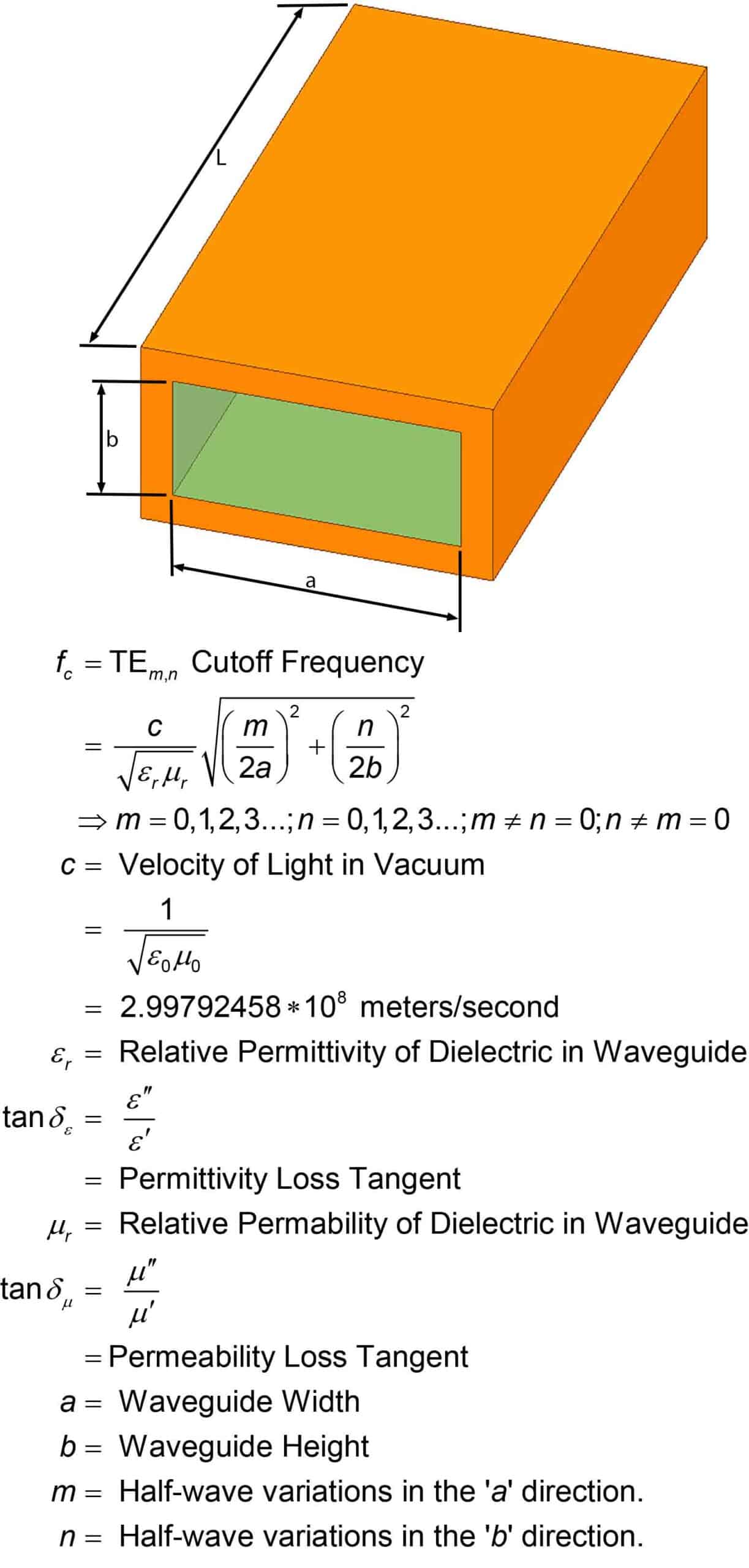
The impedance of a rectangular waveguide is not a single value; it varies by mode and frequency. For the dominant TE10 mode, the wave impedance is approximately 377 Ω (η) multiplied by the ratio of the guide wavelength to the free-space wavelength. ​​What Is Waveguide Impedance?​​ ​​Waveguide impedance isn’t some abstract idea—it’s a ​​measured value

What is the impedance of a rectangular waveguide wave Read More »

What cable types are included in the TIA 568 structured cabling standards

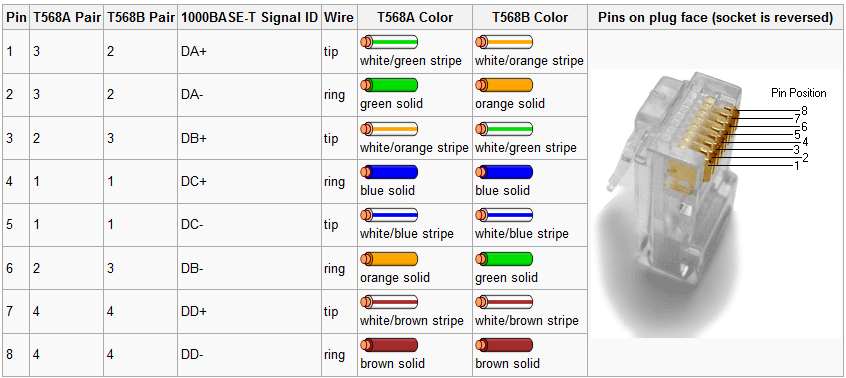
The TIA-568 standard primarily specifies balanced twisted-pair cables (Category 5e/6/6A/8 for 1G-40G Ethernet) and optical fiber cables (OM1-5 multimode and OS1-2 single-mode for various distances and speeds). What TIA 568 Actually Covers TIA-568 (latest version: ​​TIA-568.2-D, 2021​​) defines how to design, install, and test copper and fiber optic cabling systems for commercial buildings. It’s not

What cable types are included in the TIA 568 structured cabling standards Read More »

What is the structural standard for antenna supporting structures

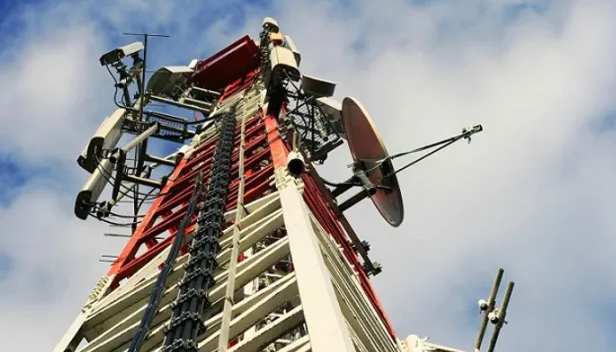
Antenna supporting structures must comply with structural standards like TIA-222 which specifies design loads for wind (up to 150 mph), ice, and seismic zones, requiring galvanized steel and precise foundation anchoring to ensure stability and alignment. Key Design Loads Explained When designing an antenna support structure, the primary goal is to ensure it can withstand

What is the structural standard for antenna supporting structures Read More »

Can you clean a waveguide

Yes, waveguides are cleaned using solvent like isopropyl alcohol and lint-free wipes to remove contaminants, ensuring surfaces remain smooth to maintain a low VSWR, typically under 1.5, and prevent signal loss at GHz frequencies. Check If Cleaning Is Needed​​ Waveguide maintenance isn’t about a fixed schedule; it’s about performance. Cleaning too often risks damaging precision

Can you clean a waveguide Read More »

Scroll to Top
Blank Form (#3)