+86 29 8881 0979

July 24, 2025

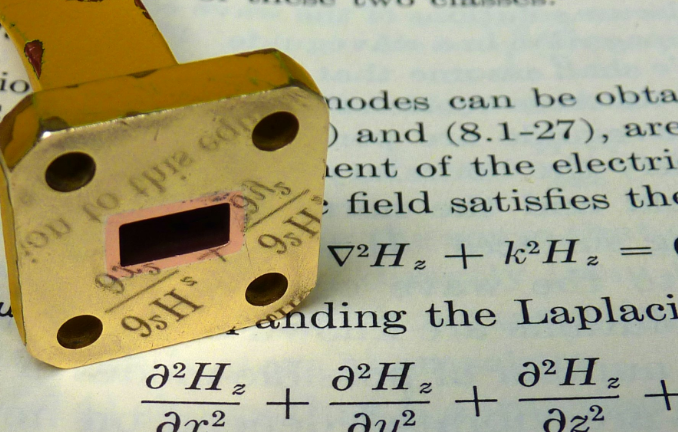
What is the waveguide effect

The ​​waveguide effect​​ occurs when electromagnetic waves (e.g., ​​microwaves at 2.45GHz​​ or light in fiber optics) are confined and propagated along a physical structure, reducing signal loss (<0.3dB/km in optical fibers). This effect relies on ​​total internal reflection​​ (critical angle ~82° for glass/air) or conductive boundaries (e.g., ​​rectangular metal waveguides​​). It enables efficient energy transfer […]

What is the waveguide effect Read More »
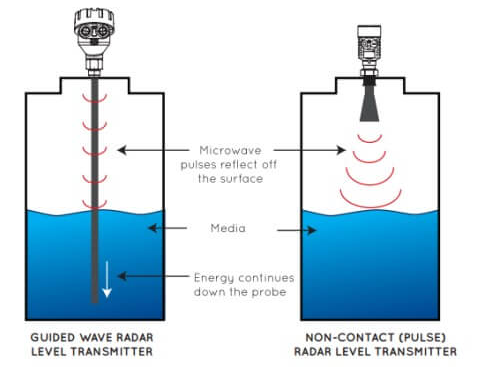
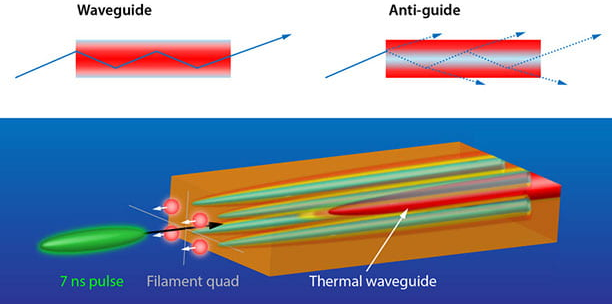
What is the difference between a waveguide and a guided wave

A ​​waveguide​​ is a physical structure (e.g., metal tube or fiber optic) that confines and directs electromagnetic waves (e.g., ​​5G mmWave at 28GHz​​ or optical signals) with low loss (<0.2dB/m). ​​Guided waves​​ refer to the propagation phenomenon itself, where energy travels along boundaries (e.g., ​​surface acoustic waves at 1-10MHz​​). Waveguides enable guided waves by controlling

What is the difference between a waveguide and a guided wave Read More »

What are wave guide feeders pressurised to

​​Waveguide feeders​​ are typically pressurized to ​​3–5 psi (0.2–0.35 bar)​​ using dry air or nitrogen to ​​prevent moisture buildup​​ and ​​minimize signal loss​​ at high frequencies (e.g., 18–40 GHz). Systems include ​​pressure sensors​​ with alarms if levels drop below ​​1 psi (0.07 bar)​​, ensuring ​​optimal RF performance​​ and preventing ​​arcing​​ in radar/telecom applications. Regular ​​leak

What are wave guide feeders pressurised to Read More »

Why are waveguides Pressurised

Waveguides are ​​pressurized​​ (typically 2–5 psi above ambient) to ​​prevent moisture ingress​​ and ​​arcing​​ at high frequencies (e.g., 1–100 GHz). Dry air or nitrogen is used to maintain ​​dielectric strength​​, reducing signal loss by up to ​​30%​​. Pressure monitors trigger alarms if levels drop below ​​1 psi​​, ensuring uninterrupted RF performance in radar/satellite systems. ​​What

Why are waveguides Pressurised Read More »

What is the difference between a waveguide and a transmission line

Waveguides (e.g., rectangular, optical) confine and guide electromagnetic waves (microwave/light) via dielectric or metallic boundaries, operating above cutoff frequency (~1 GHz for metal waveguides). Transmission lines (coaxial, microstrip) carry lower-frequency electrical signals (DC to ~100 GHz) with defined impedance (50/75Ω). Waveguides minimize loss (<0.1 dB/m) for high frequencies, while transmission lines suit integrated circuits and

What is the difference between a waveguide and a transmission line Read More »

Which waveguide is better

Silicon nitride (SiN) waveguides offer lower loss (0.1–0.3 dB/cm) and broader bandwidth, ideal for dense photonic integration. Silicon (Si) waveguides provide higher index contrast for compact designs but suffer higher loss (0.5–3 dB/cm). For visible light, polymer waveguides (0.3–1 dB/cm) balance flexibility and performance. Choice depends on application-specific needs like loss tolerance and fabrication constraints.

Which waveguide is better Read More »

What is the purpose of a waveguide

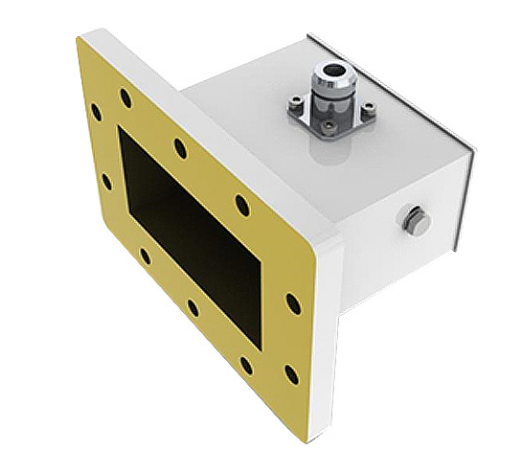
Waveguides transmit ​​microwave signals (1-110GHz)​​ with ​​minimal loss (0.05-0.3dB/m)​​, guiding electromagnetic waves in ​​TE/TM modes​​. They prevent signal dispersion, support ​​high-power handling (up to 10kW)​​, and shield against interference. Used in ​​radar, satellite, and 5G systems​​, their ​​aluminum/copper construction​​ ensures ​​<1.25:1 VSWR​​. Precision dimensions (e.g., ​​WR-90: 22.86×10.16mm​​) maintain ​​impedance matching (50Ω)​​. Flanges (UG-387/U) enable ​​leakage-free

What is the purpose of a waveguide Read More »

What is the IEC standard for waveguides

The IEC ​​60317-45 standard​​ specifies waveguide requirements, including ​​frequency ranges (1-110GHz)​​ and ​​tolerances (±0.05mm for WR-15)​​. It defines ​​aluminum (6061-T6) and copper (C10100) materials​​ with ​​surface roughness <0.8µm​​. Flange standards (IEC ​​60154-2​​) ensure ​​<0.05dB insertion loss​​ using ​​UG-387/U interfaces​​. The standard covers ​​TE10/TM11 mode operation​​, ​​VSWR limits (<1.25:1)​​, and ​​pressure tests (up to 5 bar)​​

What is the IEC standard for waveguides Read More »

What are the standard microwave waveguides

Standard microwave waveguides include ​​rectangular (WR-90: 22.86×10.16mm for 8.2-12.4GHz)​​ and ​​circular types (WC-15: 15mm diameter for 12-18GHz)​​. Common materials are ​​aluminum (0.1-0.3dB/m loss)​​ and ​​copper (0.05-0.2dB/m loss)​​. Waveguides operate in ​​TE10/TM11 modes​​ with ​​cutoff frequencies​​ (e.g., ​​WR-112: 5.26GHz​​). Flanges (UG-387/U) ensure ​​<0.1dB leakage​​. Sizes follow ​​MIL-STD-348A​​, covering ​​1-110GHz​​. Always match ​​impedance (typically 50Ω)​​ and avoid

What are the standard microwave waveguides Read More »

What is directional in directional coupler

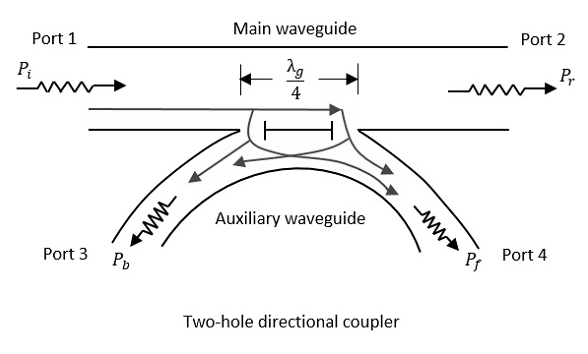
A directional coupler’s “directional” property refers to its ability to ​​separate forward and reflected signals​​ (20-40dB isolation). It samples ​​-10dB to -30dB​​ of the main signal while introducing ​​<0.5dB insertion loss​​. The coupler uses ​​λ/4 waveguide spacing​​ and ​​50Ω/75Ω impedance matching​​ to achieve ​​90% power transfer efficiency​​, operating from ​​DC-40GHz​​. Directionality ensures accurate ​​VSWR measurements​​

What is directional in directional coupler Read More »

Scroll to Top
Blank Form (#3)