+86 29 8881 0979

July 25, 2025

What is elevated feed antenna

An ​​elevated feed antenna​​ positions the ​​radiator 0.25-0.5λ above ground​​ to ​​reduce surface wave losses by 60%​​, boosting gain ​​3-5dB​​ versus ground-mounted designs. This setup uses ​​folded dipoles or patch arrays​​ at ​​2-6GHz​​, achieving ​​<2:1 VSWR​​ through ​​impedance matching stubs​​. The elevation minimizes ​​multipath interference​​, improving ​​SINR by 15dB​​ in urban environments while maintaining ​​±45° […]

What is elevated feed antenna Read More »
What is the difference between array and antenna

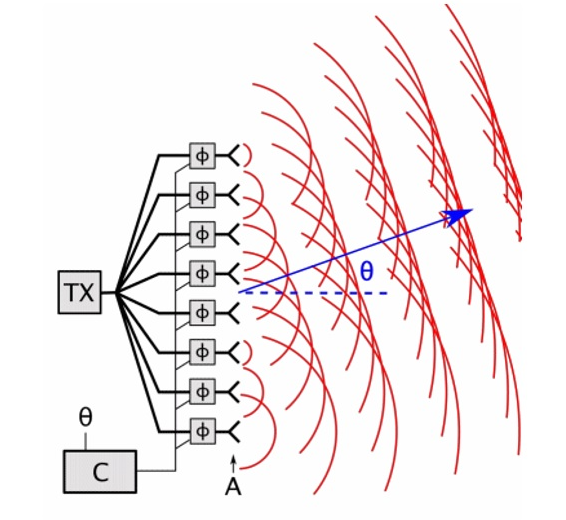
The key difference lies in ​​radiation control​​: a ​​single antenna​​ emits/receives signals with fixed ​​5-15dBi gain​​, while an ​​array combines multiple elements​​ (4-256+) for ​​steerable beams​​ achieving ​​20-40dBi gain​​. Arrays use ​​phase shifters​​ to electronically adjust patterns ​​within 10μs​​, enabling ​​±60° scanning​​ without mechanical movement. Single antennas cover ​​1-5GHz bandwidth​​, whereas arrays achieve ​​5-10x wider

What is the difference between array and antenna Read More »

What is a triple feed antenna

A ​​triple feed antenna​​ integrates ​​three independent feed points​​ to enable ​​multi-band or multi-polarization operation​​ within a single aperture. This design achieves ​​>90% isolation between ports​​ while supporting ​​simultaneous LHCP/RHCP/linear signals​​. Typical configurations use ​​orthogonal waveguide slots​​ or ​​stacked patches​​, reducing size by 40% versus separate antennas. Key applications include ​​satellite comms (4-30GHz)​​ where it

What is a triple feed antenna Read More »

What is axial or front feed antenna

An ​​axial or front feed antenna​​ positions the ​​feed point along the central axis​​ of parabolic dishes, achieving ​​>60% aperture efficiency​​ with minimal blockage. This design reduces ​​sidelobes by 15-20dB​​ compared to offset feeds while maintaining ​​<2dB noise temperature​​. The waveguide typically extends ​​0.3-0.5x focal length​​, optimized for ​​3-30GHz frequencies​​ with ​​cross-polarization under -30dB​​. ​​Basic

What is axial or front feed antenna Read More »

What is coaxial feed in antenna

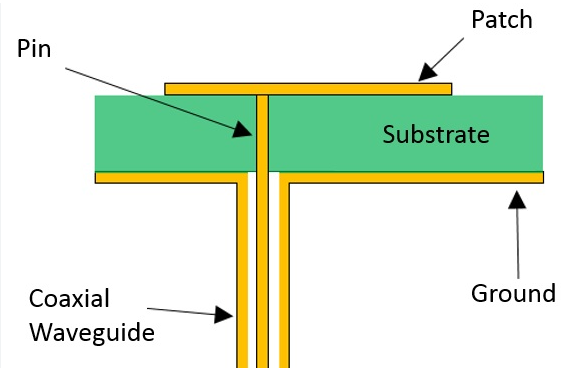
A ​​coaxial feed in antenna​​ refers to using ​​50-ohm or 75-ohm coaxial cable​​ to deliver RF signals directly to the radiator. This method achieves ​​>95% signal efficiency​​ with minimal loss (<0.5dB/m). The ​​inner conductor connects to the driven element​​ while the ​​outer shield grounds to the reflector​​, reducing interference by 30dB. Common in ​​dipole and

What is coaxial feed in antenna Read More »

What are the different types of antenna feed line

Common antenna feed lines include ​​coaxial cables​​ (50/75Ω impedance, <0.5dB/m loss at 1GHz), ​​waveguides​​ (low-loss for mmWave, e.g., WR-90 handles 8-12GHz), ​​microstrip lines​​ (PCB-integrated, 50Ω typical), and ​​twin-lead wires​​ (300Ω for FM antennas). Fiber optics (<0.2dB/km) feed phased arrays via photonic conversion. Baluns often match unbalanced feeds (e.g., coax) to dipole antennas. ​​Coaxial Cable Basics​​

What are the different types of antenna feed line Read More »

Scroll to Top
Blank Form (#3)