+86 29 8881 0979

default

5 Essential Factors that Influence the Impedance of Dipole Antennas

The ​​impedance of dipole antennas​​ is influenced by ​​length (72Ω at λ/2, dropping if shorter)​​, ​​diameter (thicker wires reduce impedance)​​, ​​height above ground (≥λ/2 for 50-75Ω)​​, ​​nearby objects (metal can shift impedance ±20Ω)​​, and ​​feed method (balun usage affects balance)​​. Optimal tuning requires ​​VSWR <1.5:1​​, achieved by adjusting ​​length (±5% for 50Ω match)​​ and using […]

5 Essential Factors that Influence the Impedance of Dipole Antennas Read More »
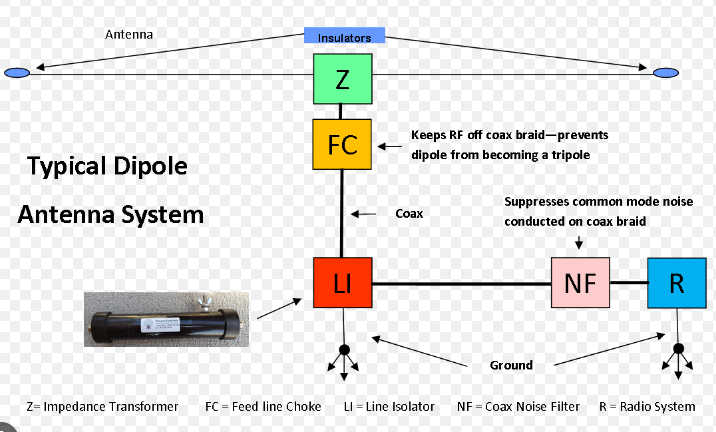
Which feeding method is best for dipole antenna

The best feeding method for dipole antennas is a balanced feed using a 1:1 balun, ensuring 50Ω impedance matching and minimizing RFI. Center-fed coaxial cables (RG-58/U) with ferrite chokes reduce common-mode currents, achieving VSWR <1.5:1 across 2-30MHz. For optimal performance, use ladder-line feeders (450Ω) with an antenna tuner for multi-band operation, reducing losses to <0.5dB.

Which feeding method is best for dipole antenna Read More »

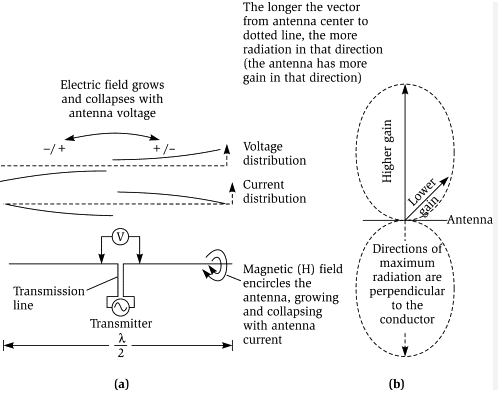
Where is the antenna feed point

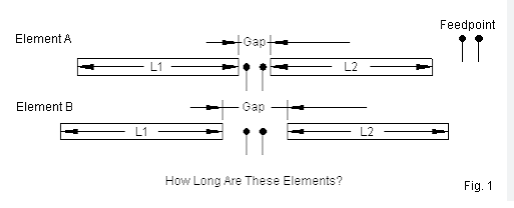
The ​​antenna feed point​​ is where the ​​transmission line (e.g., 50Ω coax)​​ connects to the radiating element, typically at the ​​voltage minimum/current maximum​​ for efficient energy transfer. In dipoles, it’s the ​​center gap (λ/2 length)​​, while patch antennas feed via ​​edge or inset (λ/4 inset for 50Ω match)​​. For yagis, it’s the ​​driven element’s split

Where is the antenna feed point Read More »

What is the feeding structure of an antenna

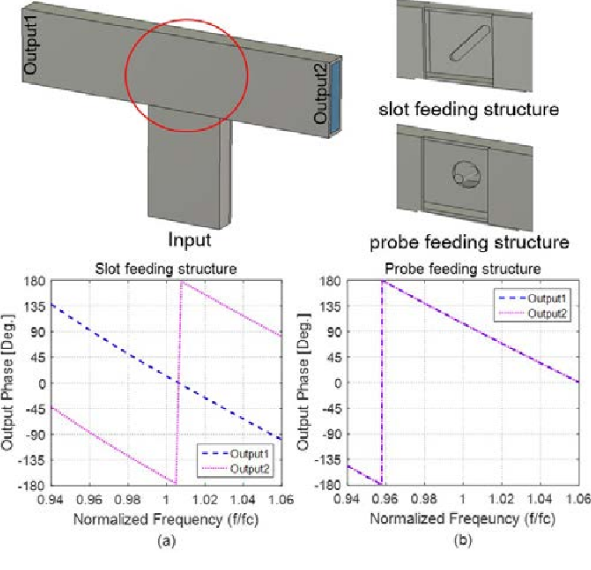
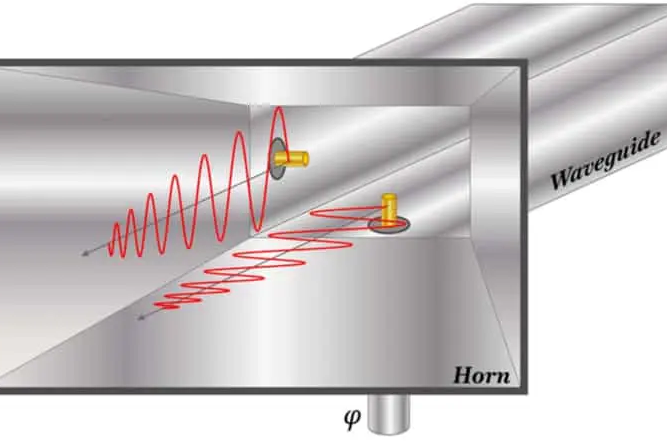
The feeding structure of an antenna delivers RF energy from the transmitter to the radiating elements. Common types include coaxial feeds (50-75Ω impedance), microstrip lines (for patch antennas), and waveguide feeds (for high-power applications). Key parameters are impedance matching (VSWR <2:1), bandwidth (e.g., 2:1 for log-periodic antennas), and insertion loss (<0.5dB). Proper design ensures efficient

What is the feeding structure of an antenna Read More »

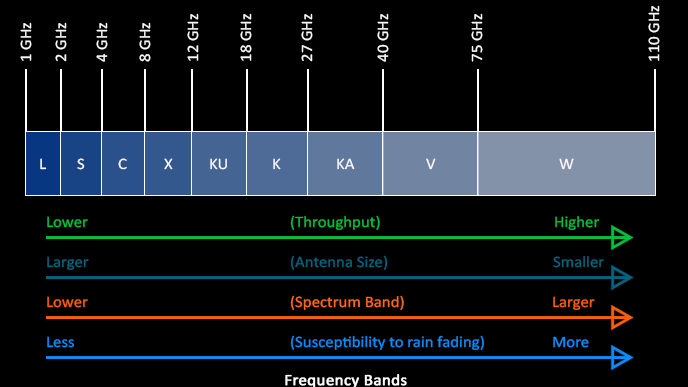
7 best frequency bands for satellite communications

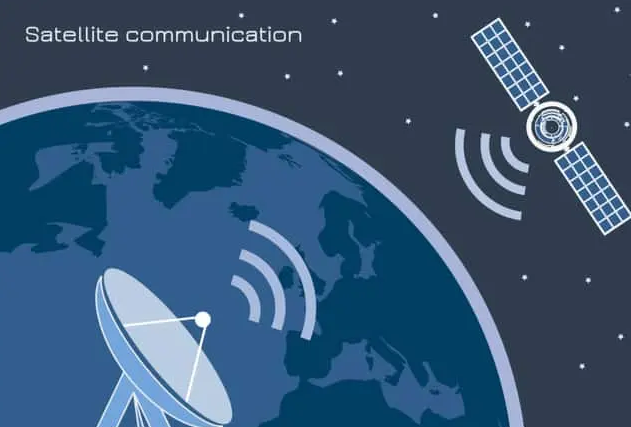
The 7 best satellite communication bands are L-band (1-2 GHz) for maritime/aviation tracking, C-band (4-8 GHz) for weather-resistant TV broadcasts, X-band (8-12 GHz) for military use, Ku-band (12-18 GHz) for DTH TV, Ka-band (26.5-40 GHz) for high-speed internet (e.g., Starlink’s 500Mbps+), Q/V-band (40-75 GHz) for experimental ultra-HD, and S-band (2-4 GHz) for NASA/spacecraft telemetry. Ka-band

7 best frequency bands for satellite communications Read More »

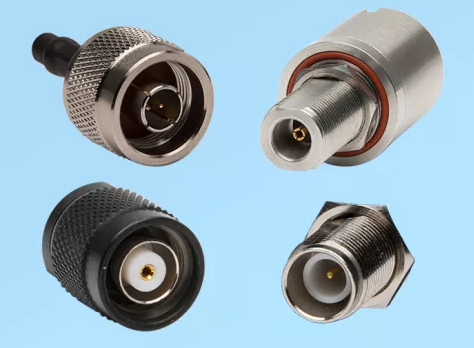
6 most widely used RF cable connectors

The ​​6 most widely used RF cable connectors​​ are ​​SMA (0-18 GHz, 50Ω)​​, common in WiFi and cellular devices; ​​BNC (0-4 GHz, 50/75Ω)​​, favored for test equipment; ​​N-type (0-11 GHz, 50Ω)​​, ideal for high-power applications; ​​TNC (0-11 GHz)​​, a threaded BNC variant; ​​SMB (0-4 GHz)​​, used in compact electronics; and ​​F-type (0-1 GHz, 75Ω)​​, standard

6 most widely used RF cable connectors Read More »

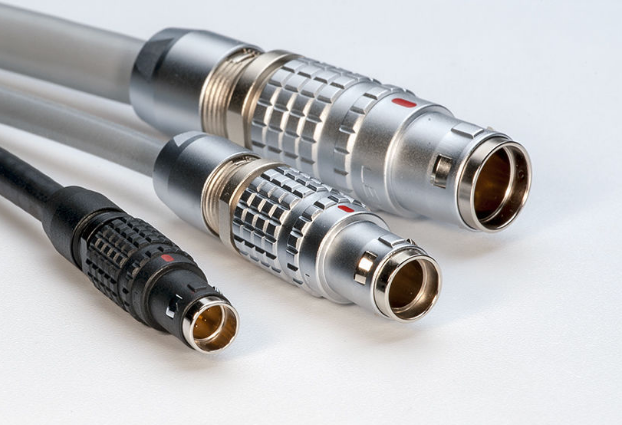
What are the 3 types of cable connectors

HDMI 2.1 supports 48Gbps bandwidth (UHBR certified cable + 16b/18b encoding is required); RJ45 Cat8 cable requires Fluke DSX-8000 to verify impedance (95-105Ω) for 40Gbps transmission; coaxial RG-6U uses fluoroplastic dielectric (dielectric constant 1.8), with attenuation ≤1.8dB/100m@3GHz. HDMI Audio-Video Direct Connection Last year while debugging the Ku-band transponder of AsiaSat 7, I encountered a bizarre

What are the 3 types of cable connectors Read More »

Dolphmicrowave

Top 7 Antenna Satcom Manufacturers of 2024

The top 7 satcom antenna manufacturers in 2024 include Hughes Network Systems (high-throughput GEO terminals), Viasat (multi-orbit Ka-band systems), Cobham SATCOM (marine & aviation antennas), Gilat Satellite Networks (phased-array tech), Comtech Telecommunications (ruggedized MIL-STD solutions), Kymeta (flat-panel e-scan antennas), and Intellian (5G-integrated VSAT). These leaders deliver >50% market share in commercial/military satcom, with innovations like

Top 7 Antenna Satcom Manufacturers of 2024 Read More »

Scroll to Top
Blank Form (#3)