
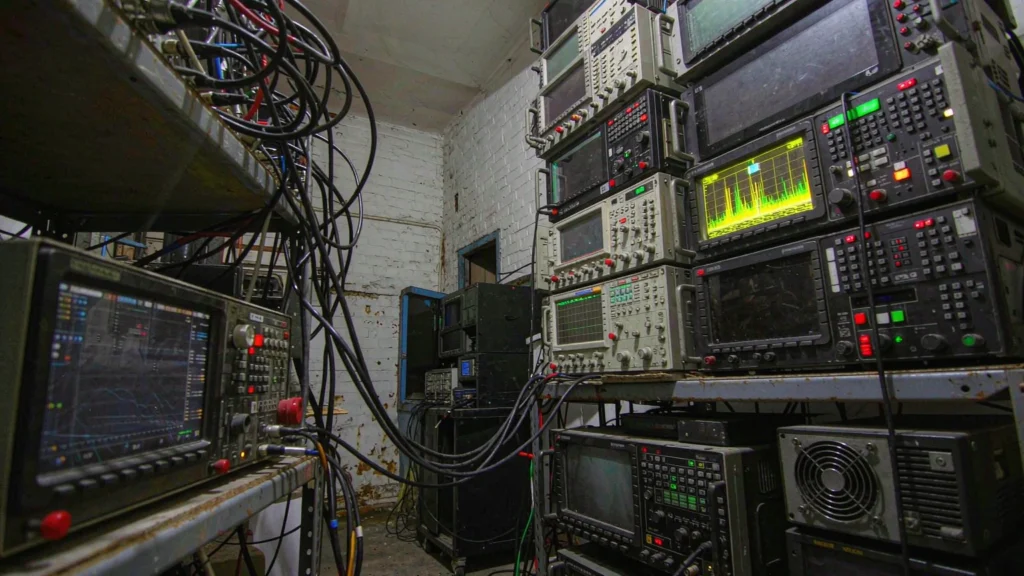
Why Do RF Band Definitions Overlap?
Explains why UHF, radar letters, and satellite service labels overlap, with worked Ku, K/Ka, and edge examples and exact-frequency specification guidance.
Why Do RF Band Definitions Overlap? Read More »
Explains why UHF, radar letters, and satellite service labels overlap, with worked Ku, K/Ka, and edge examples and exact-frequency specification guidance.
Why Do RF Band Definitions Overlap? Read More »
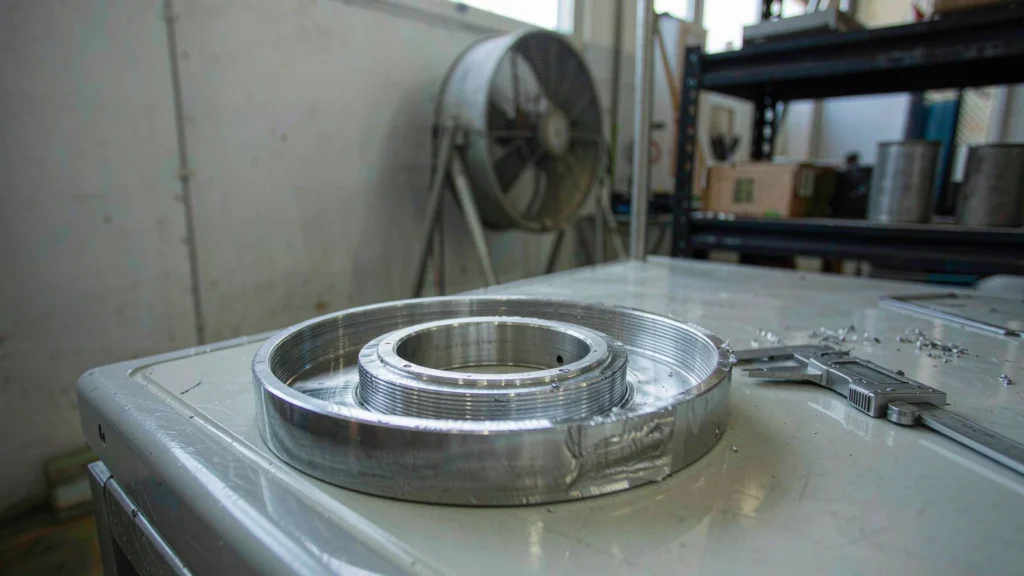
How a septum polarizer converts linear to circular polarization: stepped-septum 90-degree delay, bandwidth, axial ratio, loss, and bench checks.
How Does a Septum Polarizer Work? Read More »
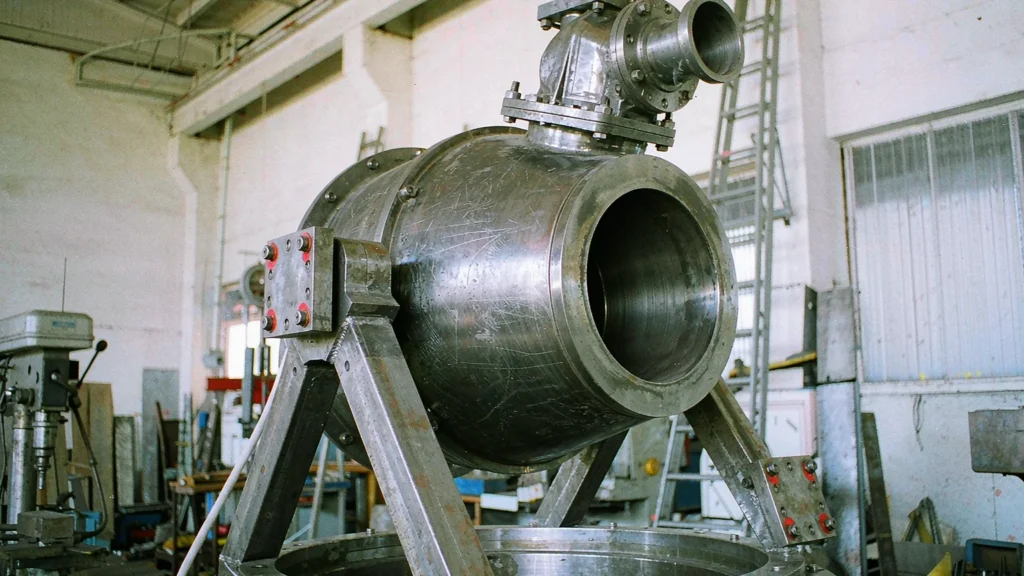
Learn how to convert linear to circular polarization using wave plates, waveguide polarizers, hybrids or helices, with tolerance budgets, a 10 GHz worked example and verification steps.
How Do You Convert Linear to Circular Polarization? Read More »
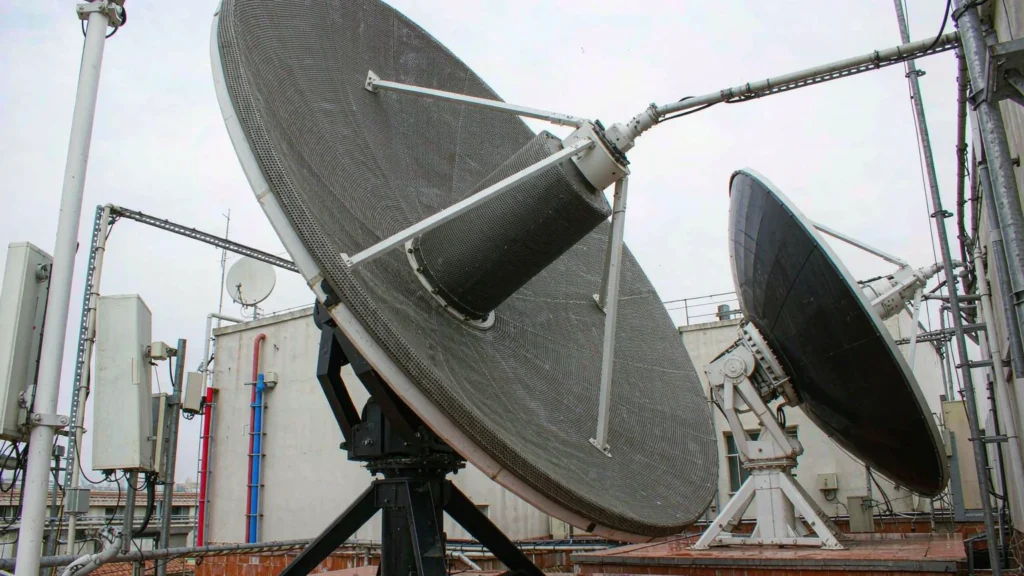
Compare offset and prime-focus satellite dishes by gain, feed compatibility, pointing and installation space, with a worked 12 GHz antenna-gain example.
How Do Offset and Prime-Focus Satellite Dishes Compare? Read More »
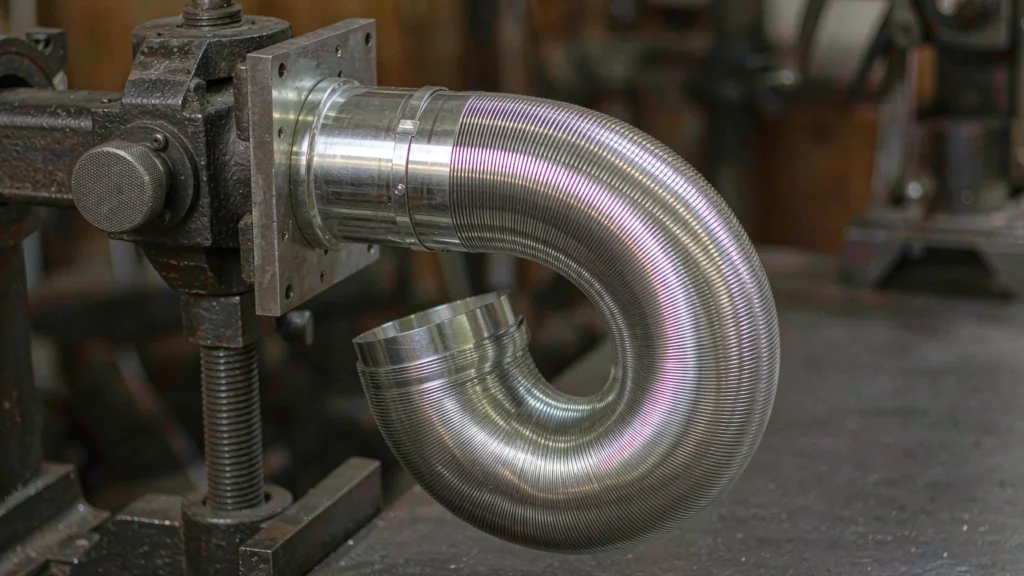
Learn what sets flexible waveguide minimum bend radius, compare published E/H-plane limits, and check usable length with a worked WR-90 routing example.
What Determines a Flexible Waveguide’s Minimum Bend Radius? Read More »
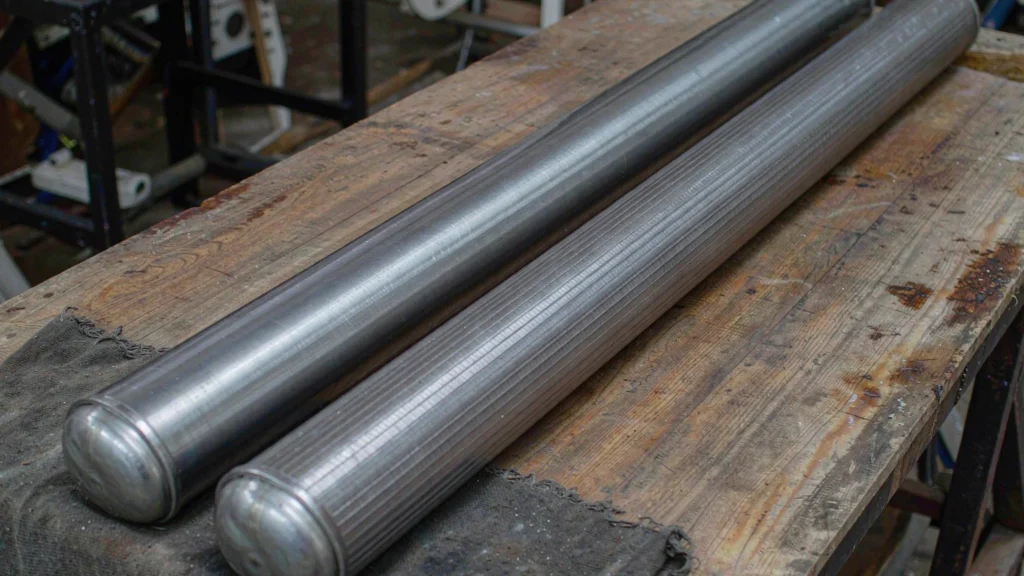
Compare seamless and seamed flexible waveguides by twist, power, loss, bend radius and pressure, with catalogue data, military specification limits and worked selection checks.
How Do Seamless and Seamed Flexible Waveguides Compare? Read More »
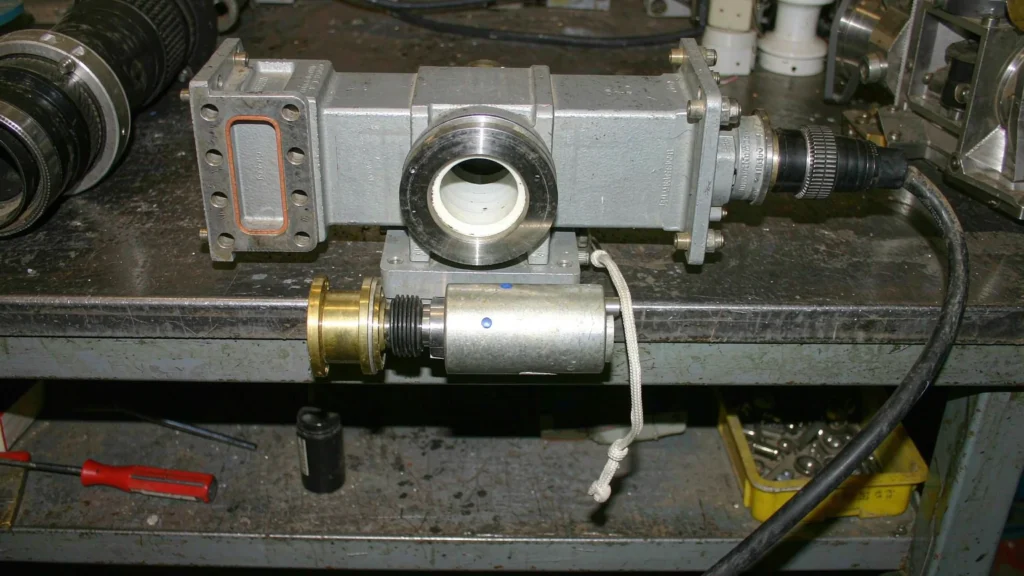
Learn how a waveguide polarizer converts linear and circular polarization, how it differs from an OMT, and how axial ratio, alignment, and feed testing affect performance.
What Does a Waveguide Polarizer Do? Read More »
Compare Q-band and V-band frequencies, antenna size, free-space loss and usable bandwidth, with a worked 40 GHz versus 60 GHz link calculation.
How Do Q-Band and V-Band Compare? Read More »
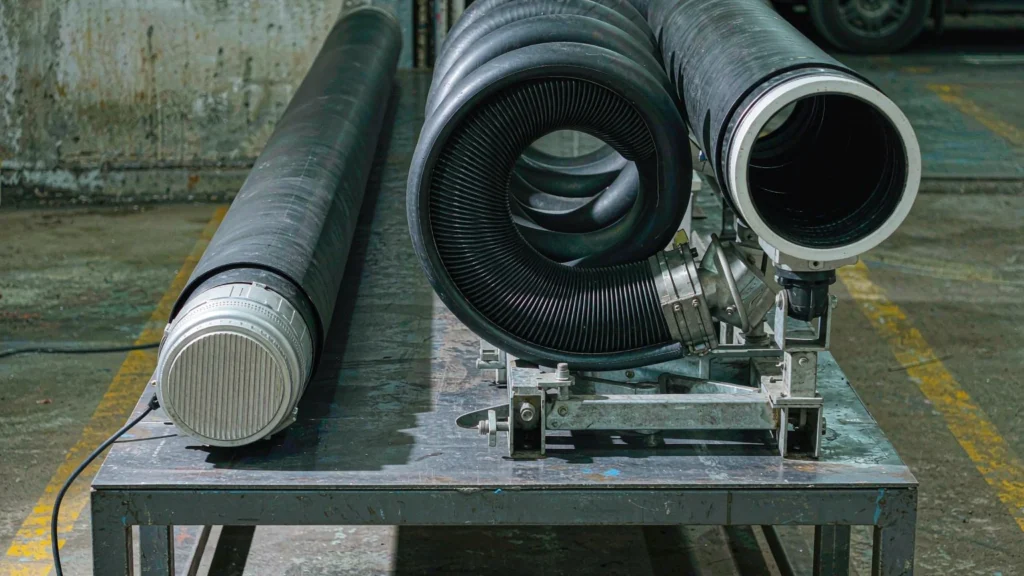
Compare twistable and non-twistable waveguides by bend radius, twist allowance, repeated-motion limits, loss and power, with sourced data and worked selection examples.
How Do Twistable and Non-Twistable Waveguides Differ? Read More »
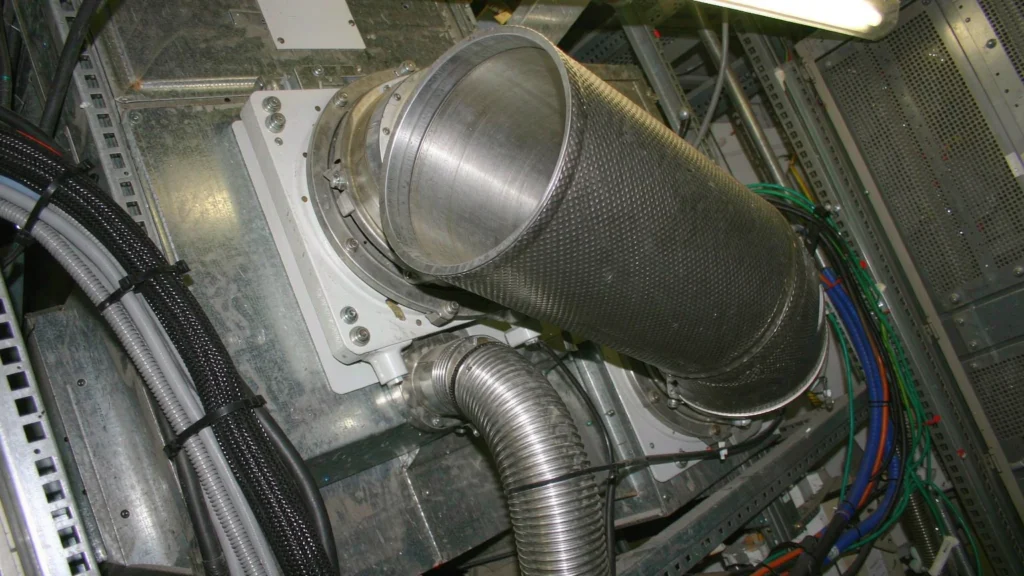
Choose flexible or rigid waveguide by movement, alignment, loss and power. Compare catalog data, worked selection examples and assembly requirements.
When Should You Choose Flexible Over Rigid Waveguide? Read More »