Author name: Dolph

How to Measure Antenna Gain in 5 Simple Steps

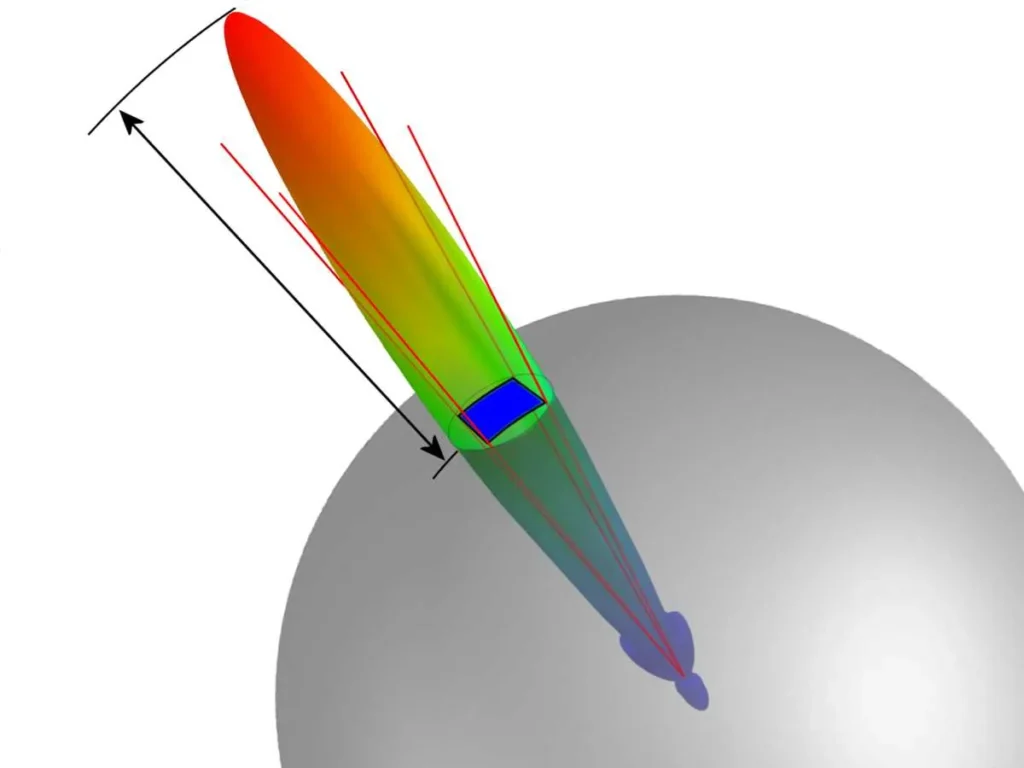
Measuring antenna gain accurately is crucial for optimizing wireless performance. Studies show that a 3dB gain improvement can double signal range in ideal conditions. Whether you’re testing a Wi-Fi router or a cellular antenna, following these 5 practical steps ensures reliable results without expensive equipment. Learn how to measure gain like a pro—no lab required! […]

How to Measure Antenna Gain in 5 Simple Steps Read More »
Waveguide Suppliers Comparison | 5 Essential Metrics

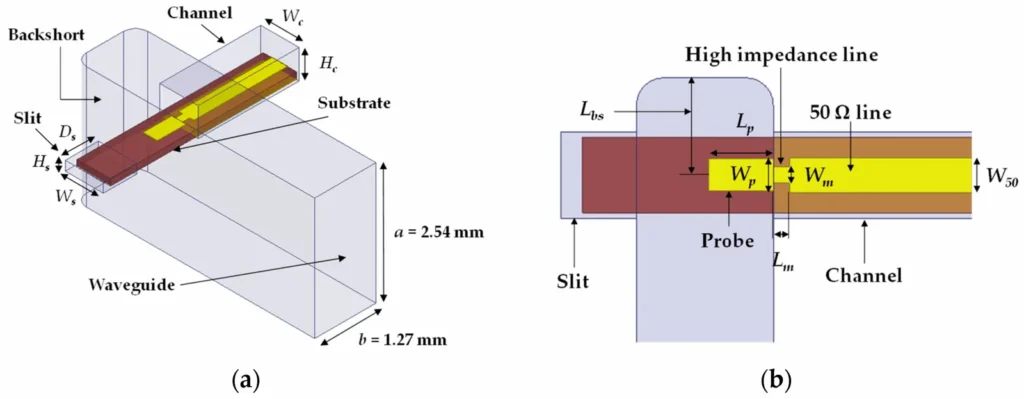
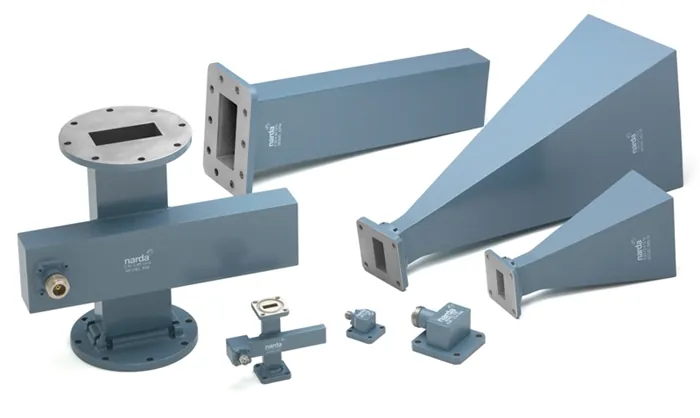
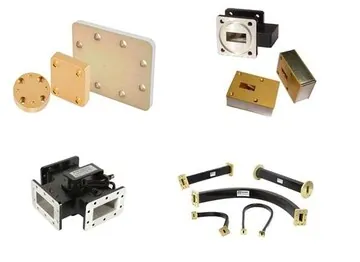
Compare waveguide suppliers on five things: RF and mechanical fit, test evidence, production control, total purchase cost, and engineering support. Send each supplier the same drawing revision and acceptance limits. A lower price is only comparable when the supplied part, inspection scope, and delivery conditions match. This guide is a supplier-evaluation framework, not a ranking

Waveguide Suppliers Comparison | 5 Essential Metrics Read More »

Waveguide Installation Guide | 5 Step by Step Procedures

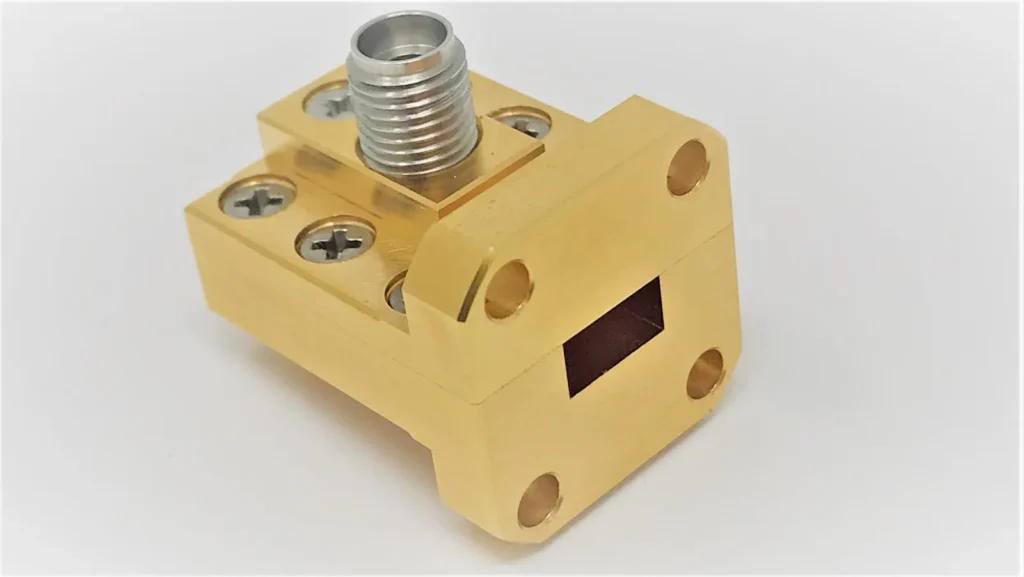
The five-step process for waveguide installation is as follows: 1) Check the flatness of the flange surface (<0.05mm); 2) Clean the contact surface and apply conductive paste; 3) Align the waveguide opening with an error of ≤0.1mm; 4) Tighten the bolts evenly (torque 2.5N·m); 5) Test the standing wave ratio (VSWR<1.3). Flange Alignment Techniques During

Waveguide Installation Guide | 5 Step by Step Procedures Read More »

Phased Array Antenna Design | 4 Cost-Saving Techniques

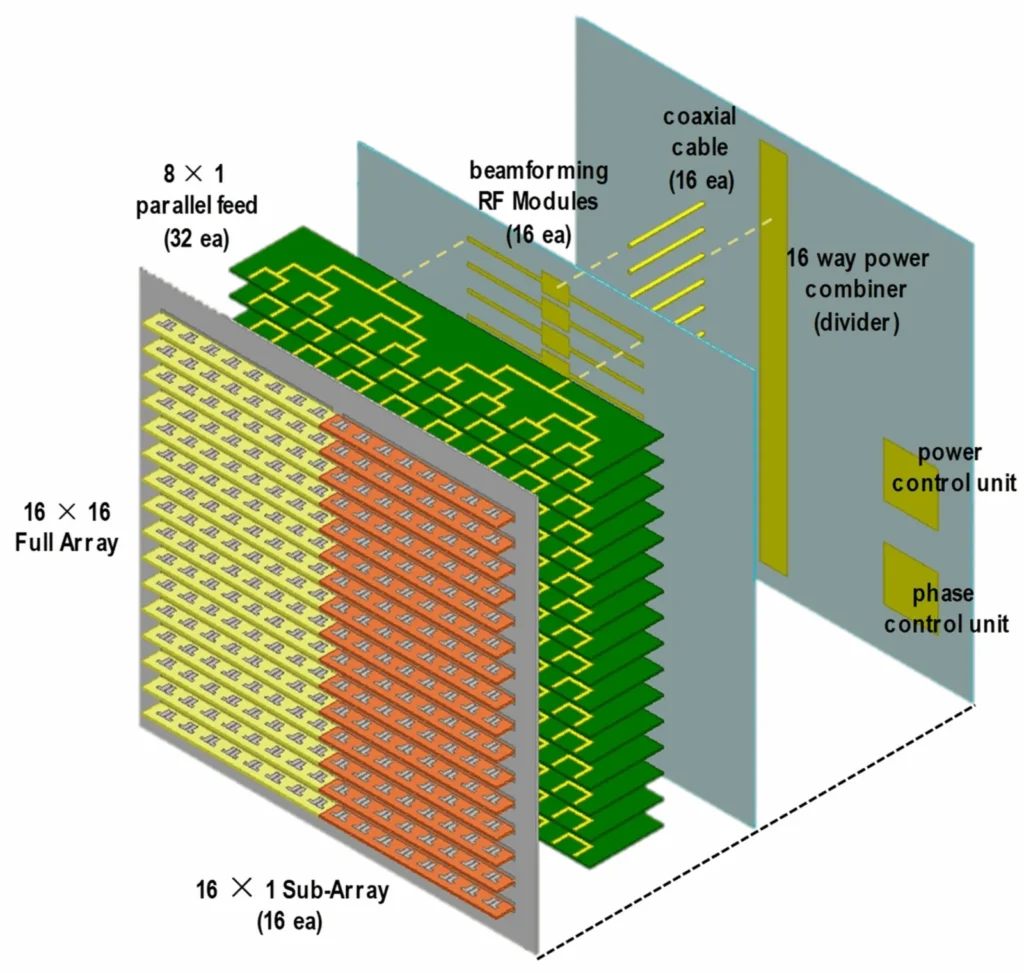
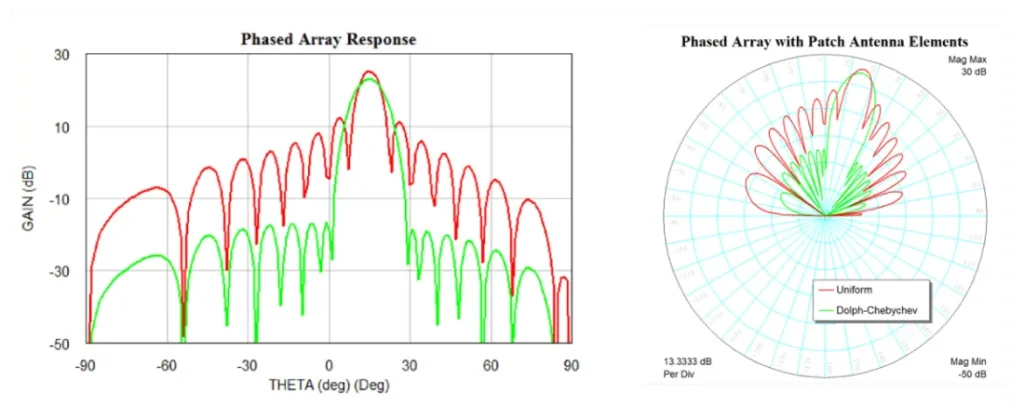
Four cost-reduction technologies for phased array antenna design: 1) Use a multi-layer PCB integrated feed network to reduce interconnect components; 2) Use low-cost LCP materials (dielectric constant 2.9±0.1); 3) Optimize the unit spacing to 0.5λ~0.7λ to reduce the number of array elements; 4) Introduce digital beamforming to reduce the number of RF links. Unit Simplification

Phased Array Antenna Design | 4 Cost-Saving Techniques Read More »

Phased Array Antenna Manufacturers | 6 Selection Criteria

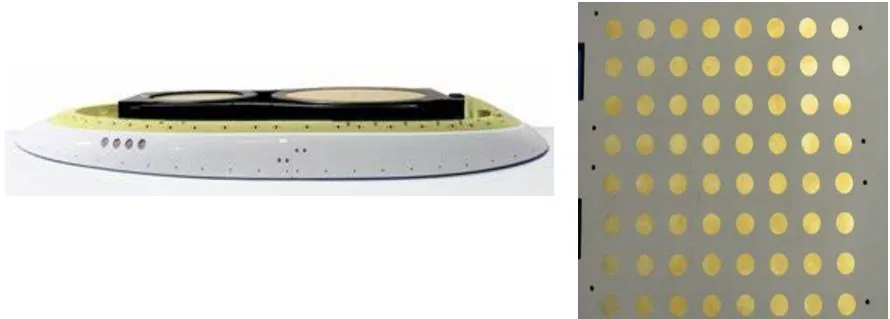
Six major criteria for selecting phased array antenna manufacturers: 1) frequency coverage (e.g. 2–40 GHz); 2) gain accuracy (within ±1 dB); 3) beam switching speed (<1 μs); 4) sidelobe suppression capability (<-30 dB); 5) environmental adaptability (-40 to +85°C); 6) support for customized interfaces (e.g. SPI, LVDS) Phased Array Lessons Last summer’s Houston ground station

Phased Array Antenna Manufacturers | 6 Selection Criteria Read More »

Waveguide vs Coaxial Cable | 3 Performance Differences

Waveguide and coaxial cable differ in operating bandwidth, loss over a defined route, and power handling under stated conditions. A waveguide can suit a fixed-band microwave link with a demanding loss or power budget; coax can suit broadband interconnects and routes that need flexibility. Compare actual assemblies at the same frequency and length before choosing.

Waveguide vs Coaxial Cable | 3 Performance Differences Read More »

Phased Array Antenna vs Traditional | 4 Key Benefits

Phased array antennas have four major advantages over traditional antennas: 1. Fast beam scanning speed, up to microseconds; 2. Multi-beam capability, supporting simultaneous multi-target tracking; 3. Higher accuracy, with beam pointing error less than 0.1°; 4. Greater reliability, modular design reduces the risk of single-point failure. Beam Switching Speed Last year when SpaceX Starlink satellites

Phased Array Antenna vs Traditional | 4 Key Benefits Read More »

How to Select Waveguide Manufacturers | 5 Key Factors

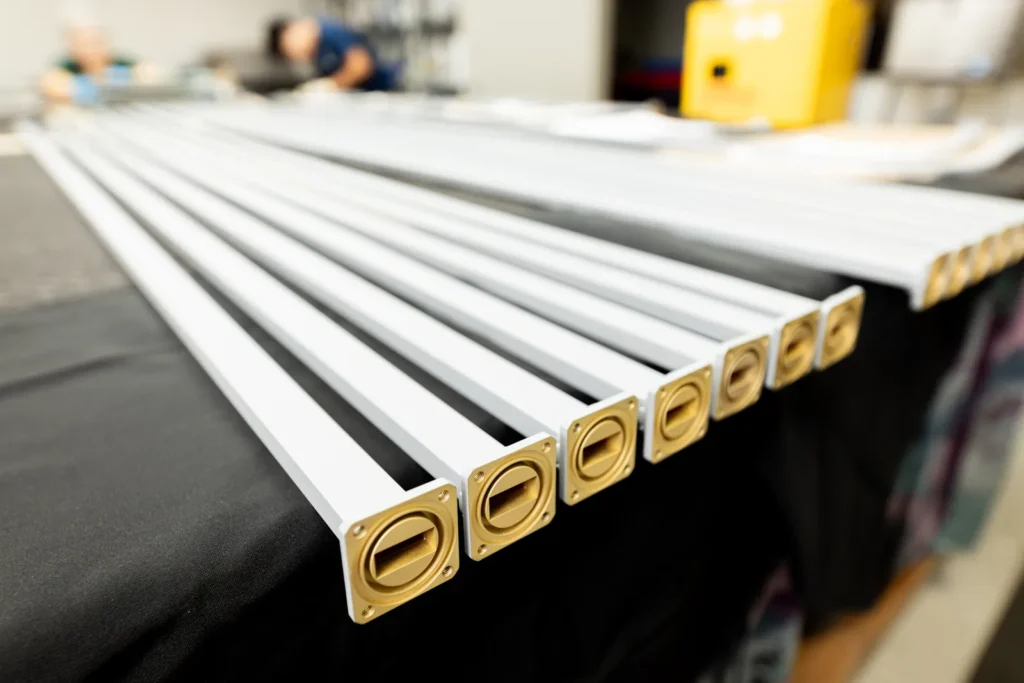
Five key factors for selecting a waveguide manufacturer: 1. Precision, ensure tolerance ≤ 0.02mm; 2. Material quality, preferably high conductive alloys; 3. Cost-effectiveness, compare quotations, the difference can be as high as 20%; 4. Production capacity, the monthly production capacity should exceed 1,000 pieces; 5. Customer support, the response time is within 24 hours. How

How to Select Waveguide Manufacturers | 5 Key Factors Read More »

Scroll to Top
Blank Form (#3)