default

What Makes Waveguide Tee Junctions Unique

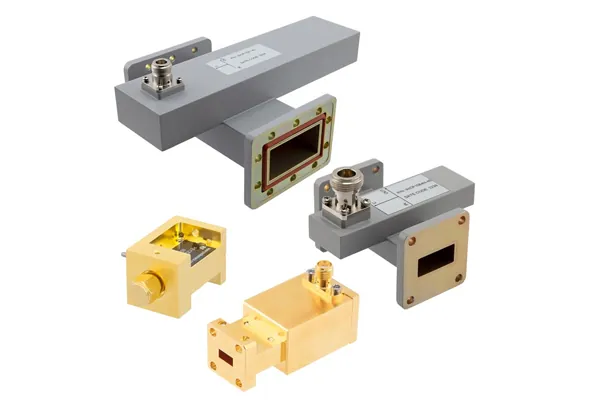
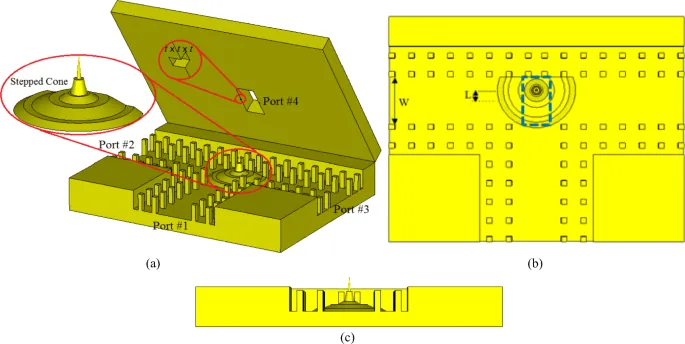
Waveguide tees are distinguished by their port geometry and phase relationships. An ideal symmetric H-plane tee produces in-phase branch outputs; an E-plane tee produces opposite-phase outputs under the corresponding excitation convention. A magic tee adds a fourth port for sum and difference functions. Matching, isolation and power limits still require model-specific data. What distinguishes E-plane,

What Makes Waveguide Tee Junctions Unique Read More »

Why Use Flexible Waveguides in Radar Systems

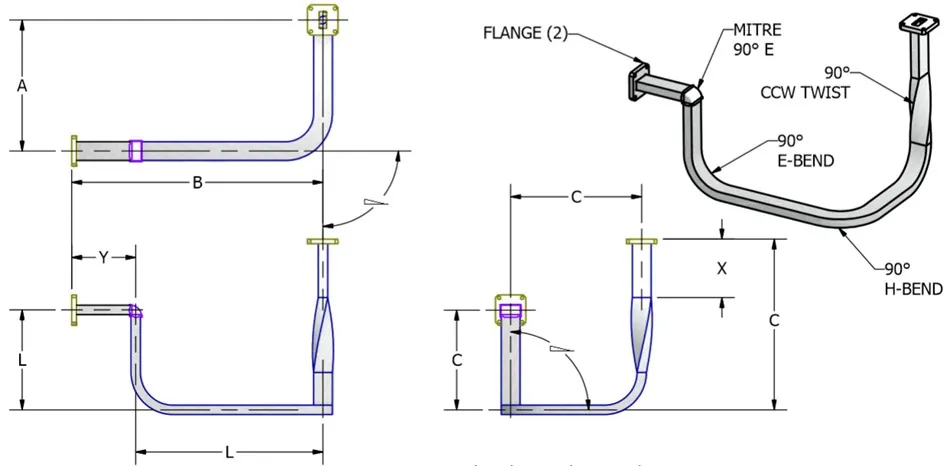
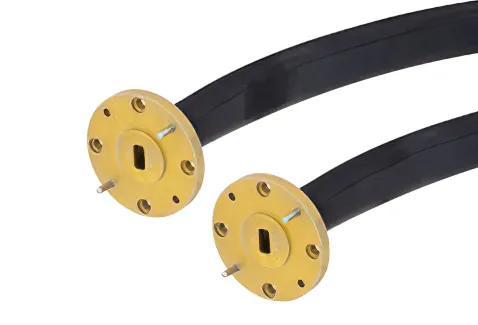
Flexible waveguides help radar installations accommodate routing constraints and small alignment differences between rigid interfaces. Select the assembly by operating band, power, allowed bending and twisting, and whether movement is static or repeated. Flexibility alone does not prove lower loss, a specific weight saving, fatigue life or suitability for continuous antenna motion. What installation problem

Why Use Flexible Waveguides in Radar Systems Read More »

Scroll to Top
Blank Form (#3)