default

Choosing RF Antenna Suppliers | 5 Must-Check Parameters

When selecting an RF antenna supplier, you need to examine: 1) frequency range (e.g. 2.4-5.8GHz); 2) gain (≥5dBi); 3) standing wave ratio (VSWR<1.5); 4) material (FR4 or PTFE); 5) test report (compliant with FCC/CE standards). R&D Team Scale 3AM satellite platform emergency alert: a Ku-band phased array antenna’s VSWR suddenly spiked to 2.5, triggering automatic […]

Choosing RF Antenna Suppliers | 5 Must-Check Parameters Read More »
Best Practices for Waveguide Fabrication in 2025

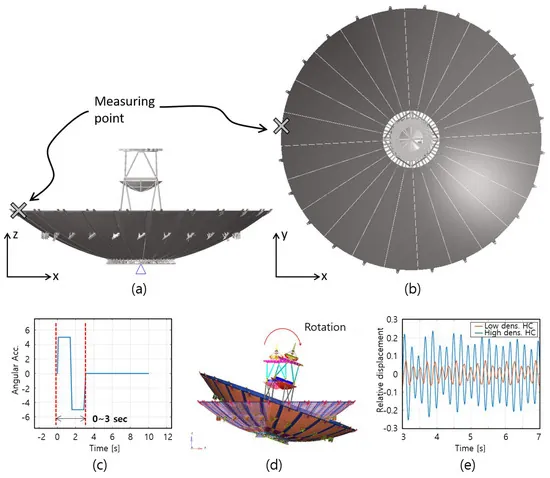
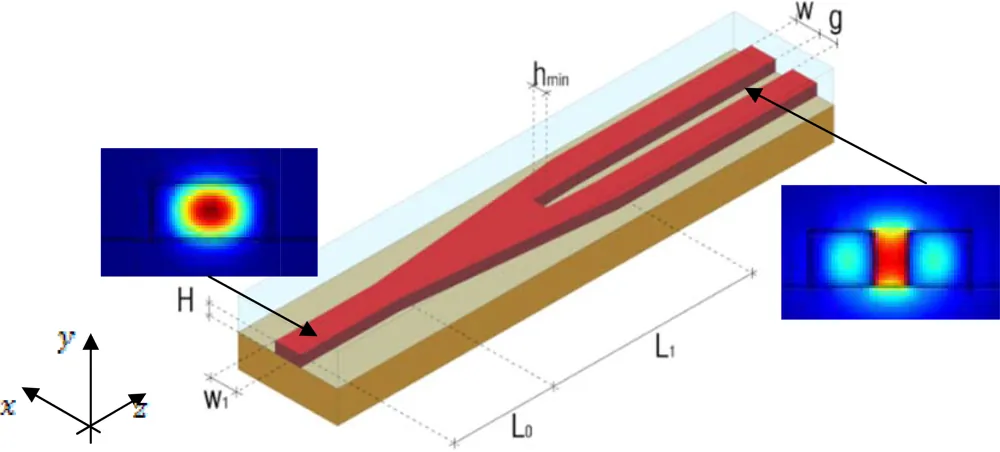
For metal RF waveguides, fabrication quality depends on controlled geometry, conductive surfaces, sound joints and verified interfaces. Specify functional tolerances, inspect the finished assembly and measure the required RF response. Nanometre optical fabrication claims, universal plating thicknesses and unsupported yield figures do not establish the quality of a microwave waveguide component. What does a usable

Best Practices for Waveguide Fabrication in 2025 Read More »

VSAT Antenna Cost Breakdown | 5 Factors Impacting Price 2025 Update

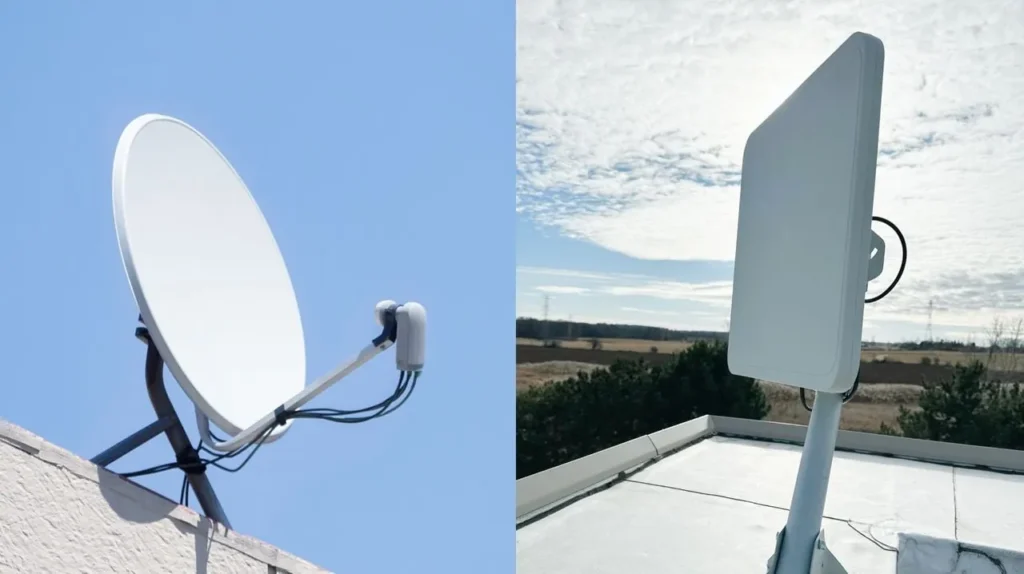
The cost of VSAT antennas in 2025 will be affected by five factors: 1) Antenna size, which is usually 1.2 meters to 3 meters, and the price increases with size; 2) Data transmission rate, with differences in cost per Mbps; 3) Installation difficulty and labor; 4) Equipment brand and quality; 5) Post-operation and maintenance support.

VSAT Antenna Cost Breakdown | 5 Factors Impacting Price 2025 Update Read More »

Satellite vs Cellular Antennas | 5 Performance Differences in Remote Areas

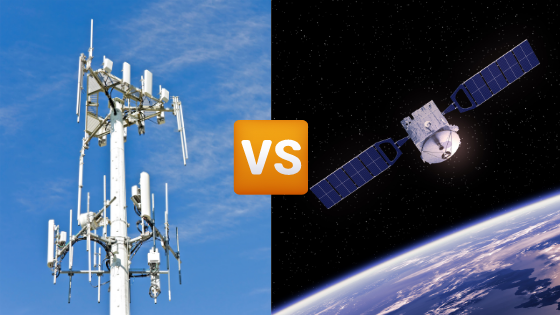
Satellite and cellular antennas perform differently in remote areas: 1) Satellites have wide coverage, reaching 99% of the world; 2) Cellular relies on base stations, with coverage as low as 30%; 3) Satellite latency is about 600ms, while cellular latency is about 50ms; 4) Satellite equipment is expensive, requiring large initial investments; 5) Cellular data

Satellite vs Cellular Antennas | 5 Performance Differences in Remote Areas Read More »

Satellite Antenna Components | 6Parts Affecting Signal Quality

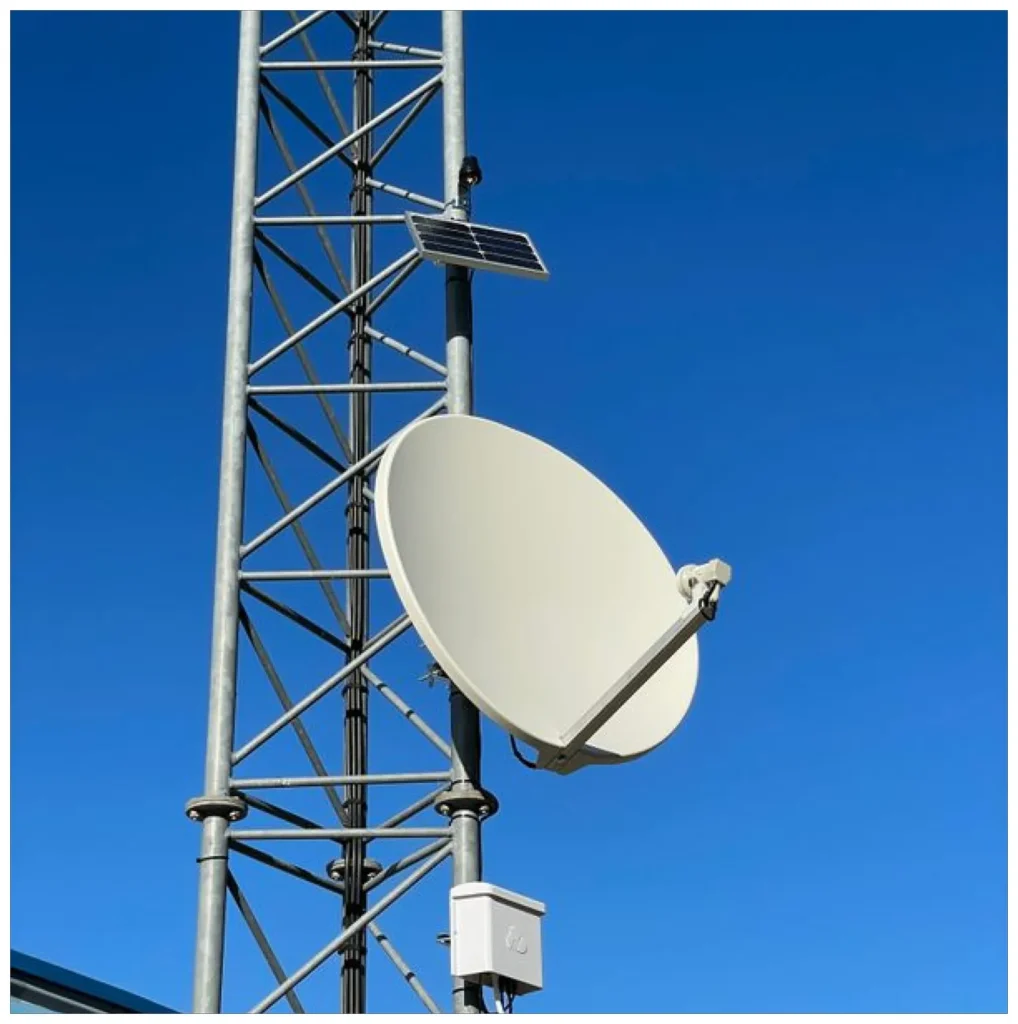
For a satellite earth station, check six component groups: reflector, feed, LNB, support, transmission line and weather protection. Match the receive band and polarization before comparing gain or noise figures. Acceptance limits belong to the selected antenna and receiver configuration; a universal loss, alignment or grounding threshold cannot qualify every installation. What six antenna components

Satellite Antenna Components | 6Parts Affecting Signal Quality Read More »

Satellite Antenna LNB Selection | 3 Frequency Ranges for Clear Reception

Select an LNB by its exact receive range, local oscillator plan and output interface, then check noise performance, stability and polarization compatibility. C, Ku and Ka are useful family labels but do not define a universal receive configuration. An LNB amplifies and downconverts received signals; it is not the uplink power amplifier. What frequency information

Satellite Antenna LNB Selection | 3 Frequency Ranges for Clear Reception Read More »

Scroll to Top
Blank Form (#3)