+86 29 8881 0979

Author name: Dolph

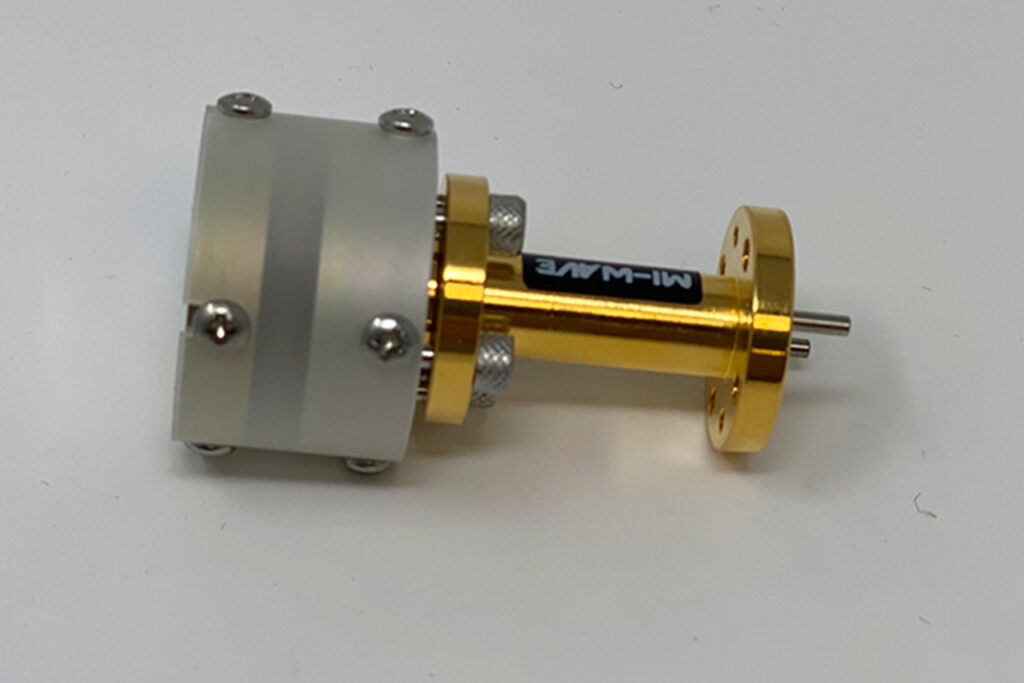
How to Install Open Ended Waveguides in Indoor Satellites

Align open-ended waveguides via laser tools (±0.1mm accuracy), seal flanges with 0.5mm silicone gel, torque bolts to 5N·m, then test VSWR (<1.2) to ensure indoor satellite signal integrity. Preparation and Planning Ka-band (26.5-40GHz) signals have a loss of approximately 0.3-0.5dB per meter of waveguide. If the waveguide length is extended to 20 meters, the total […]

How to Install Open Ended Waveguides in Indoor Satellites Read More »
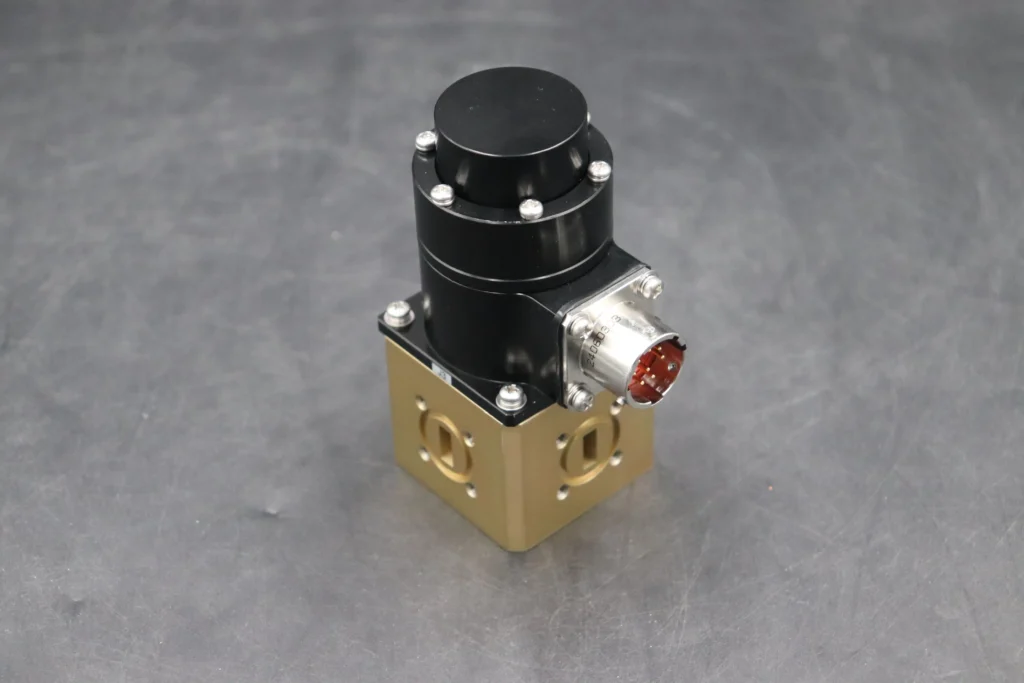
What Causes Waveguide Transfer Switch Failures

Waveguide transfer switch failures often stem from mechanical wear (spring fingers fatigue after 10k+ cycles), >10μm particle contamination blocking signal paths, or thermal misalignment—aluminum alloy expands 23μm/°C above 85°C, misaligning flanges for signal loss. Mechanical Structure Failures Over 90% of non-sudden failures originate from the aging or damage of mechanical components (according to 2022 failure

What Causes Waveguide Transfer Switch Failures Read More »

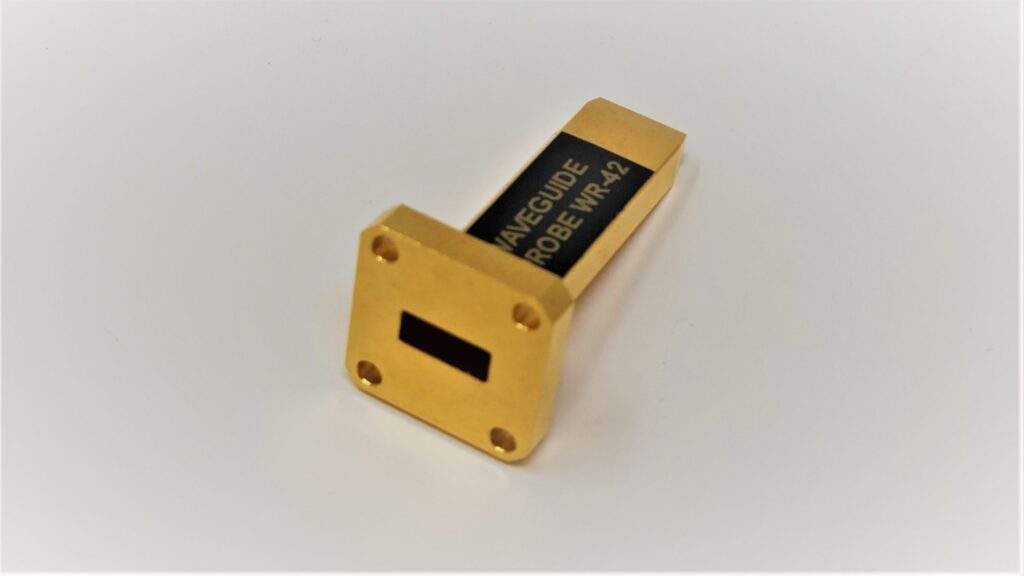
How to Maintain Open Ended Waveguide Probes

Maintain open-ended waveguides by wiping probes with isopropyl alcohol on lint-free cloths, inspecting tips for corrosion/bends, and quarterly calibrating (insertion loss ≤0.5dB) to prevent signal degradation from contaminants or physical damage. Daily Cleaning and Surface Maintenance “Clean” for an open-ended waveguide probe is never just visual “no obvious dust” – dust particles with a diameter

How to Maintain Open Ended Waveguide Probes Read More »

What Are Broadband Omni Waveguide Antennas For

Broadband omni waveguide antennas serve multi-directional, wide-frequency comms—e.g., covering 2-18GHz, they enable base stations/ radar to radiate uniformly, handling signals from Wi-Fi to satellite links without directional adjustment for flexible connectivity. Wireless Communication Systems In 2023, the total number of 5G base stations in China exceeded 3.37 million (data from the Ministry of Industry and

What Are Broadband Omni Waveguide Antennas For Read More »

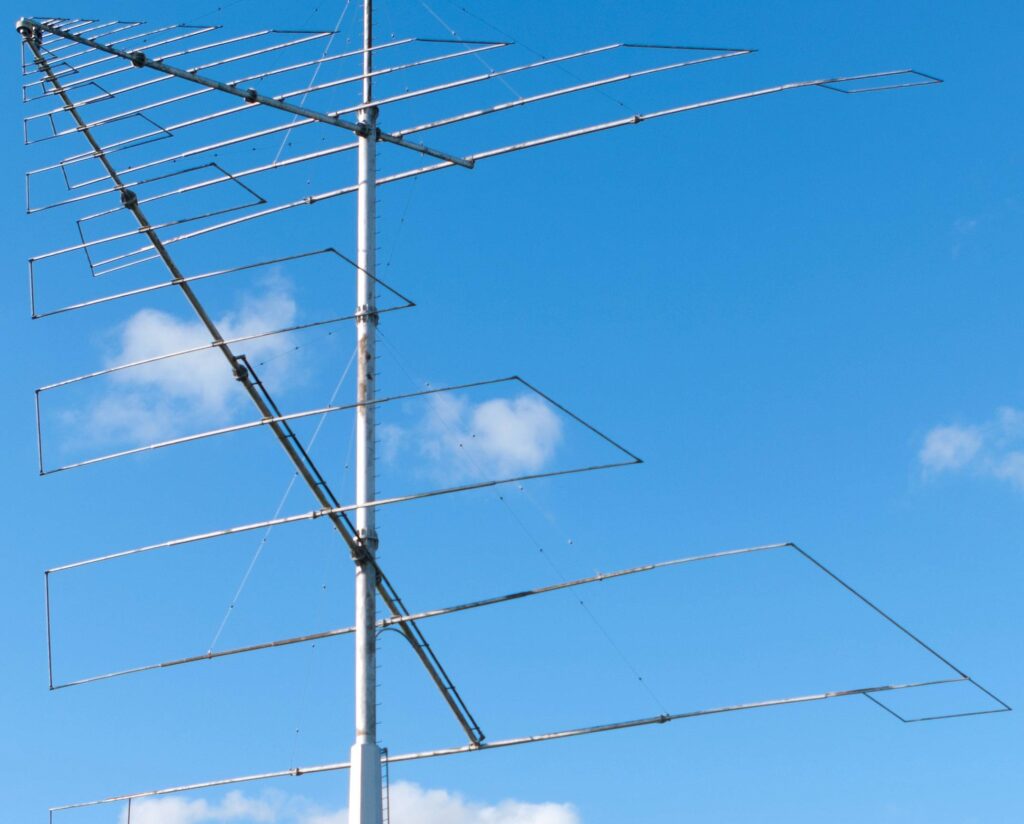
Why Are Log Periodic Waveguide Antennas Popular

Log periodic waveguide antennas thrive due to ultra-wide bandwidth (e.g., 100MHz–40GHz), stable gain (10–15dBi), and low VSWR (<1.8); ideal for 5G/multi-band systems, they maintain directionality across frequencies, reducing deployment complexity vs. narrowband alternatives. Ultra-Wideband Operating Capability Imagine you are an engineer at a base station site facing an upcoming new 5G frequency band (like the

Why Are Log Periodic Waveguide Antennas Popular Read More »

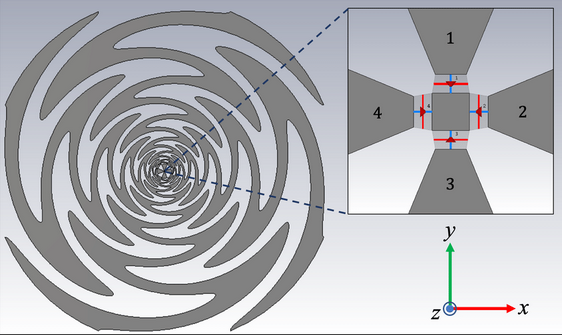
How to Select Sinuous Waveguide Antennas for 5G

Select 5G sinuous waveguide antennas targeting n41/n78 bands (3.3-5GHz), aiming for 15-20dBi gain; ensure ≥800MHz bandwidth and VSWR<1.5 (via HFSS simulation). Choose linear/circular polarization per coverage needs, optimizing impedance for 5G NR efficiency. Understanding the Characteristics of Sinusoidal Waveguide Antennas When selecting antennas for 5G networks, especially in millimeter-wave bands (like 28GHz), the sinusoidal waveguide

How to Select Sinuous Waveguide Antennas for 5G Read More »

Why Use Waveguide Components in Millimeter Wave Systems

Waveguides dominate mm-wave (26-100GHz) systems: their low loss (<0.1dB/m at 60GHz for rectangular types) beats microstrip, while high power handling (10s of W) suits radar/5G; tight field confinement ensures stable, high-fidelity signal transmission critical for long-reach links. Extremely Low Transmission Loss When the frequency jumps from the familiar 5GHz Wi-Fi to millimeter-wave bands like 28GHz,

Why Use Waveguide Components in Millimeter Wave Systems Read More »

How to Choose Waveguide Antennas for Microwave Ovens

Select waveguide antennas matching 2.45GHz operation, using 304 stainless steel for 1200W power tolerance; ensure VSWR<1.2 to cut reflections, test ≥95% coupling efficiency for even heating, and validate corrosion resistance via 85% humidity/500hr exposure. The Role of the Waveguide Antenna in a Microwave Oven The waveguide antenna is a rectangular hollow metal tube with a

How to Choose Waveguide Antennas for Microwave Ovens Read More »

How to Connect a Waveguide Feed to a Dish Antenna

When connecting the waveguide (e.g., WR-90, 1.27×0.64cm), align it with the antenna’s polarization direction. Adjust the feed’s phase center to the paraboloid’s focal point (error < λ/10, <0.3cm at 10GHz). After the flange is snug, tighten the screws evenly to prevent deformation. Principle Anyone in satellite communications knows that a 1.2-meter Ku-band parabolic antenna (f/D=0.6,

How to Connect a Waveguide Feed to a Dish Antenna Read More »

Scroll to Top
Blank Form (#3)