
October 15, 2024

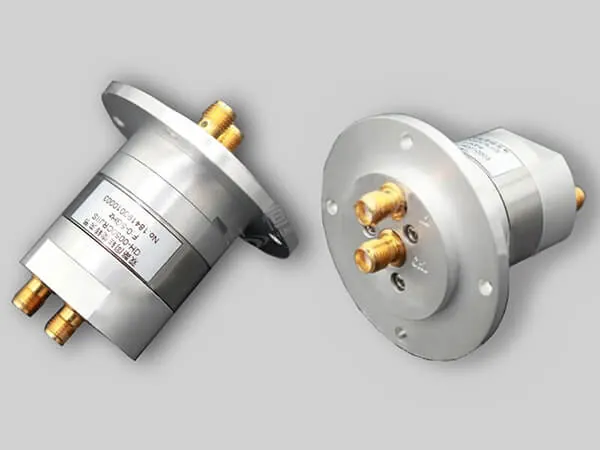
How do RF rotary joints work

An RF rotary joint carries radio-frequency signals between stationary and rotating parts of a system. It provides a rotating transmission interface so that an antenna or other assembly can turn without continuously twisting its RF cable. The internal design may use electrical contacts or non-contacting electromagnetic coupling; frequency coverage, loss and power handling depend on […]

How do RF rotary joints work Read More »
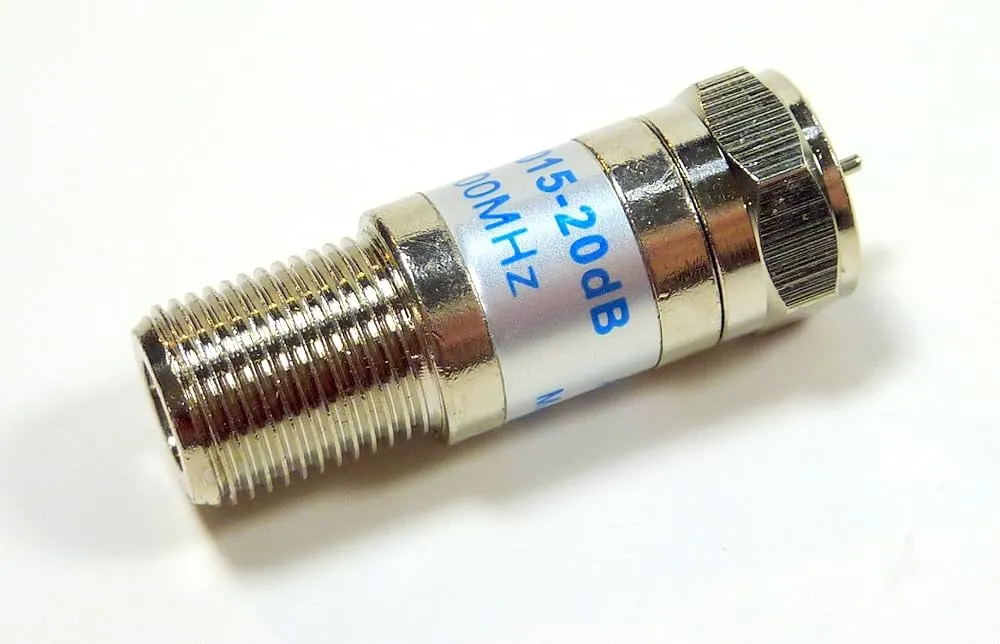
How do I choose the right coaxia attenuator

To select the right coaxial attenuator, match its frequency range (e.g., 50MHz–6GHz) to your system’s operating band. Choose attenuation (3dB/10dB) based on signal level needs; ensure power handling (≥10W CW) exceeds peak input. Prioritize low VSWR (≤1.5) for minimal reflection, and verify with a network analyzer. Opt for corrosion-resistant materials (brass/stainless steel) for durability. Understand

How do I choose the right coaxia attenuator Read More »

Scroll to Top
Blank Form (#3)