October 2025

Миллиметровые волноводы: 5 преимуществ и условия их реализации

Оцените потери, экранирование, размеры, мощность и измерительные интерфейсы. Сравните полный RF-тракт без обещаний фиксированной скорости данных или срока службы.

Миллиметровые волноводы: 5 преимуществ и условия их реализации Read More »

How to Connect a Waveguide Feed to a Dish Antenna

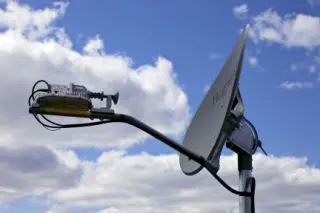
When connecting the waveguide (e.g., WR-90, 1.27×0.64cm), align it with the antenna’s polarization direction. Adjust the feed’s phase center to the paraboloid’s focal point (error < λ/10, <0.3cm at 10GHz). After the flange is snug, tighten the screws evenly to prevent deformation. Principle Anyone in satellite communications knows that a 1.2-meter Ku-band parabolic antenna (f/D=0.6,

How to Connect a Waveguide Feed to a Dish Antenna Read More »

What is a Waveguide Amplifier and How Does it Work

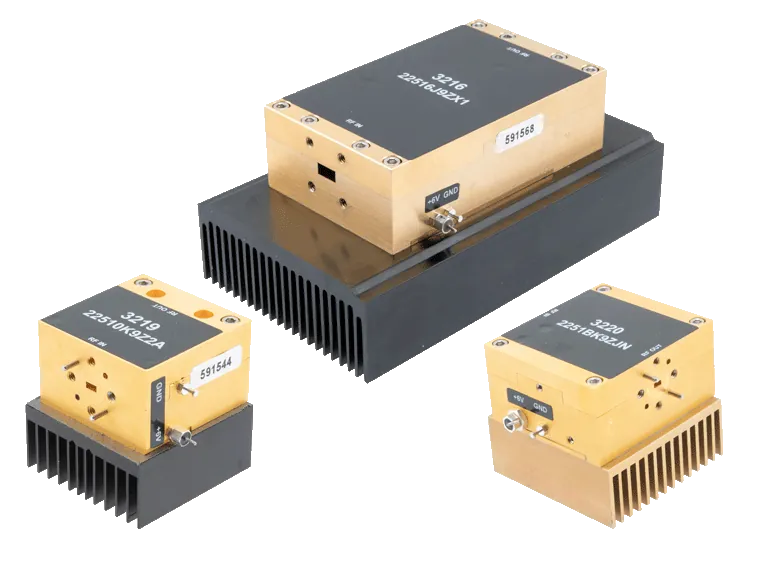
A waveguide amplifier boosts signals via stimulated emission: pump lasers (e.g., 980nm for optical) excite gain media (GaAs/InP) in the waveguide, yielding 20–40dB gain for microwaves/radio, critical in radar/satcom systems for signal strength. What is a Waveguide Amplifier? A waveguide amplifier is a  device for achieving optical signal amplification on integrated photonic chips. It is

What is a Waveguide Amplifier and How Does it Work Read More »

What is the Typical Frequency Range of a Wideband Horn Antenna

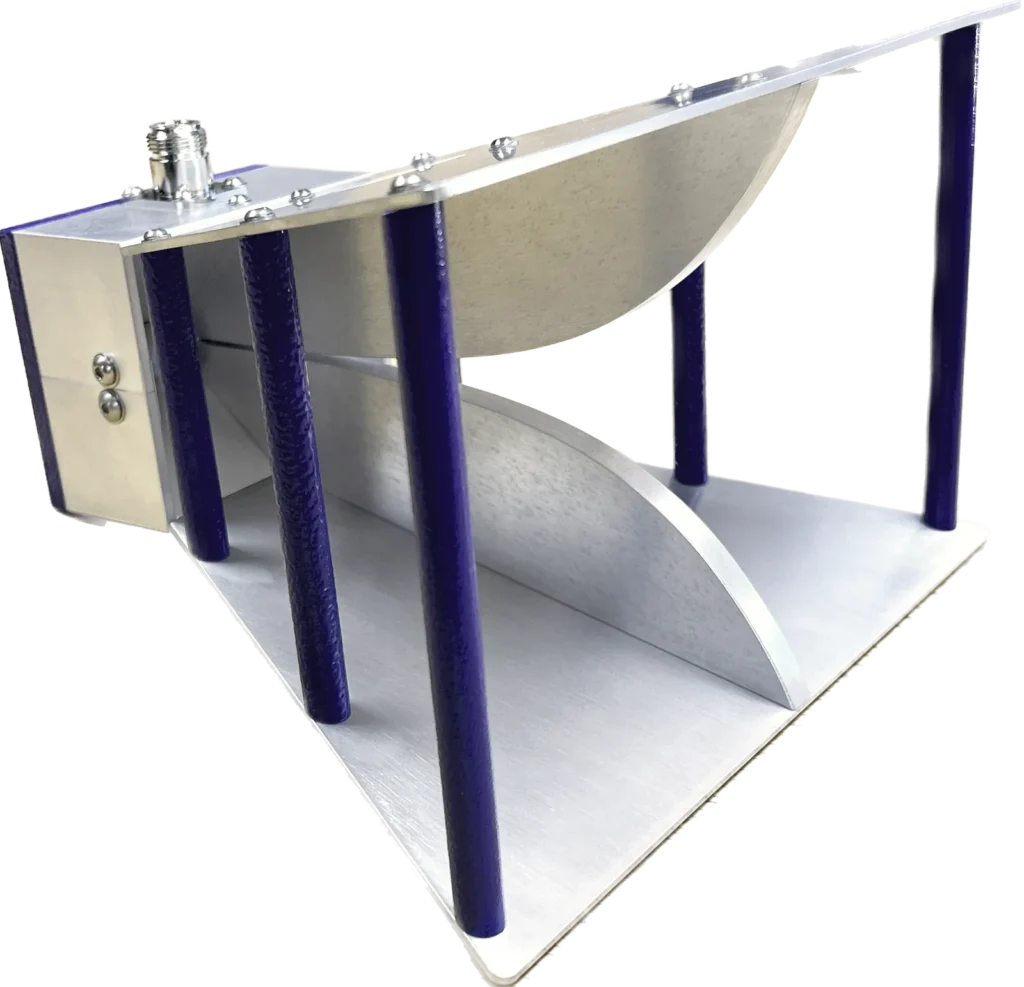
Wideband horn antennas typically span 2–18 GHz, some reaching 40 GHz; flared geometry keeps VSWR <1.2 across range, ideal for radar/comms needing multi-octave spectral coverage with stable gain. The Standard Horn A rectangular waveguide operating in the dominant TE10 mode. This waveguide has a fundamental cutoff frequency, f_c, below which signals cannot propagate. For a

What is the Typical Frequency Range of a Wideband Horn Antenna Read More »

Scroll to Top
Blank Form (#3)