
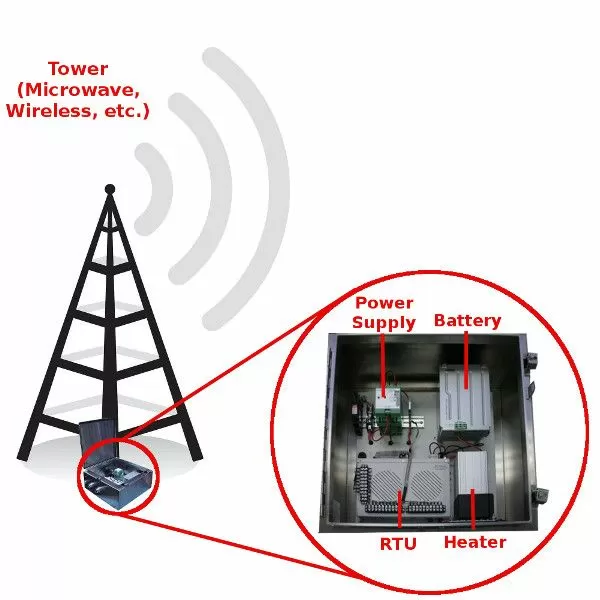
마이크로파·안테나 통합: 임피던스 매칭과 6가지 검증
포트 정합, 손실, 패턴, 간섭과 전력 환경을 연결해 검증합니다. 50Ω·75Ω의 반사와 1/4파장 변환선을 조건부 예제로 확인하세요.
마이크로파·안테나 통합: 임피던스 매칭과 6가지 검증 Read More »
포트 정합, 손실, 패턴, 간섭과 전력 환경을 연결해 검증합니다. 50Ω·75Ω의 반사와 1/4파장 변환선을 조건부 예제로 확인하세요.
마이크로파·안테나 통합: 임피던스 매칭과 6가지 검증 Read More »
पोर्ट मैचिंग, हानि, पोलराइजेशन और आइसोलेशन को पूरे माउंट से जोड़ें। यांत्रिक व तापीय शर्तें तय करके VNA, विकिरण और सेवा गुणवत्ता के मापों से सत्यापन करें।
माइक्रोवेव और एंटीना एकीकरण: 6 जाँच और मापन के मानदंड Read More »
Reliez adaptation, pertes, diagrammes, isolation et montage aux exigences du système. Vérifiez ports, rayonnement et qualité de signal avec des références définies.
Intégrer micro-ondes et antennes : 6 contrôles du port au service Read More »
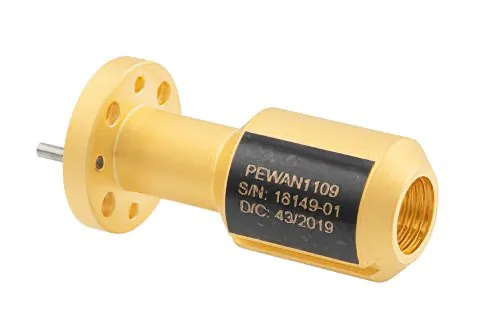
Проверьте загрязнение, коррозию, RF, уплотнения, крепёж и положение облучателя. Назначайте осмотр по руководству и состоянию, а не по единому календарю.
Обслуживание СВЧ-облучателя: проверки и выбор периодичности Read More »
Defina a periodicidade por manual, ambiente e estado. Verifique superfícies, conexões, RF, vedações e posição, comparando resultados antes e depois nas mesmas condições.
Manutenção da corneta alimentadora: inspeções, limpeza e frequência Read More »
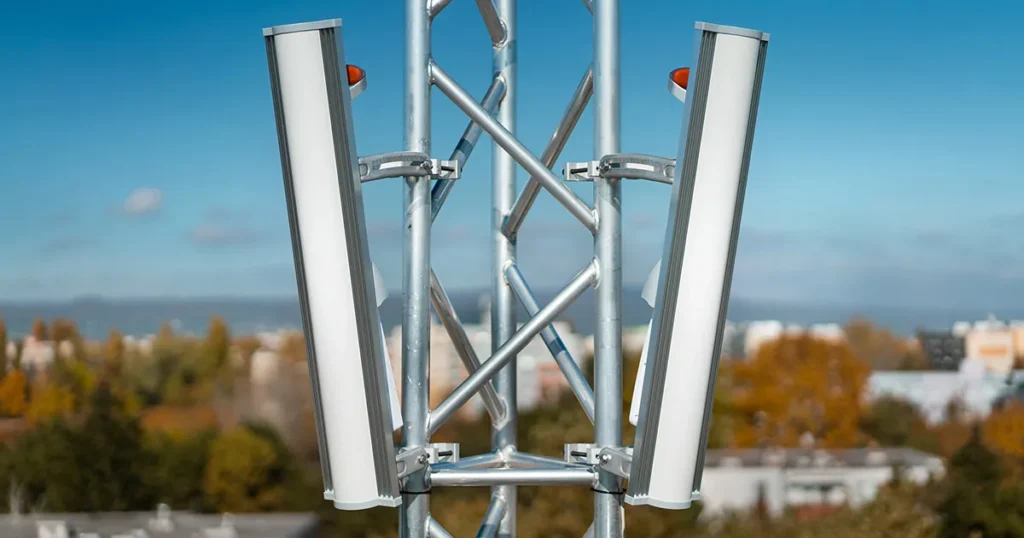
A sector antenna focuses wireless signals into a specific angular sector (typically 60°–120°) to cover targeted areas with high gain (15–20dBi), minimizing interference. It’s used in LTE/5G base stations and Wi-Fi networks to efficiently extend range and capacity in dense or rural areas. What is a Sector Antenna At 2.4 GHz, a standard 120° sector
What does a sector antenna do Read More »

Antenna component testing involves radiation pattern measurement (360° azimuth scan, 0.5° step, field strength logged), return loss checks (2.4-5GHz via VNA, target >10dB), gain verification (comparing to 10dBi standard horn in far-field, ratio within ±0.5dB), polarization testing (90° linear probe rotation, signal difference <3dB), and impedance matching (S11 <-10dB at center freq ±10% bandwidth using
What are the 5 Testing Methods for Antenna Components Read More »
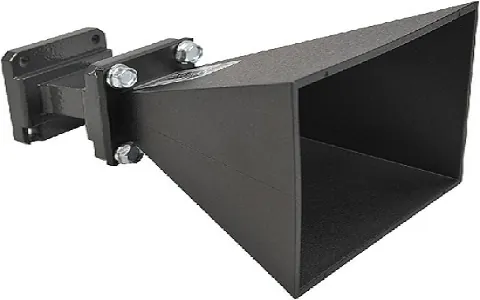
The three main open-ended waveguide types are rectangular (e.g., WR-90 with 22.86mm×10.16mm dimensions for 8-12GHz), circular (30mm diameter supporting TE11 mode at 3GHz), and sectoral (60° angle for directional coupling, optimized for 10-15GHz testing). Standard Rectangular Waveguide Design Their design is standardized by a numbering system (like WR-90), where the “WR” prefix stands for “Waveguide,
What are the 3 Main Types of Open Ended Waveguide Read More »
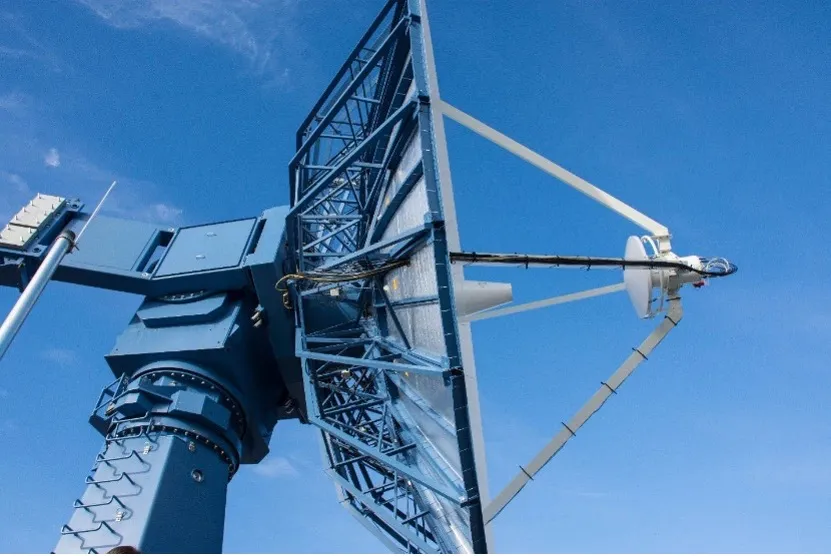
Selecting antenna kits requires evaluating frequency range (e.g., 2.4/5GHz for Wi-Fi, ±100MHz bandwidth), gain (8dBi directional vs. 2dBi omnidirectional for coverage trade-offs), 50Ω impedance matching (insertion loss <0.5dB to avoid signal degradation), environmental ratings (IP67 for dust/water, -40°C to 85°C operating temp), and MIMO compatibility (2×2/4×4 streams for throughput optimization). Frequency Range Needs An antenna
5 Factors to Consider When Selecting Antenna Kits Read More »
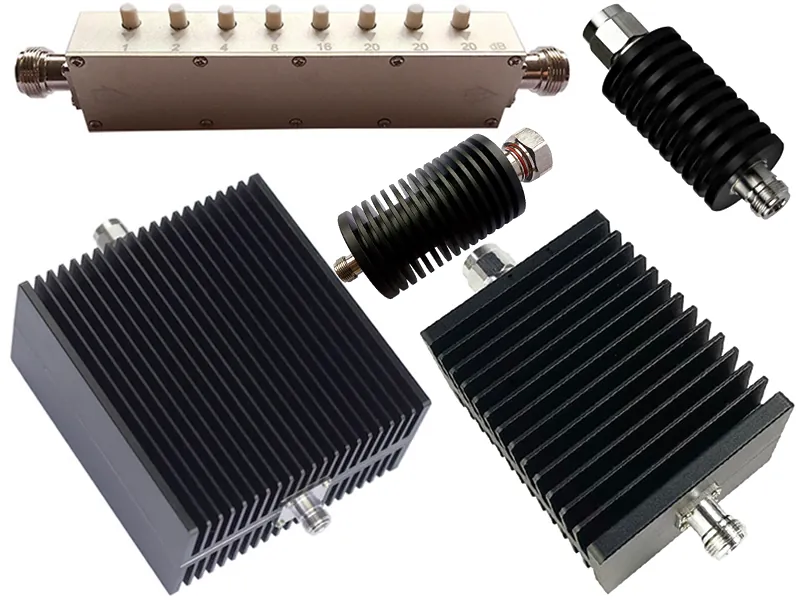
Antenna equipment primarily includes radiating elements (e.g., 20mm×20mm microstrip patches for 2.4GHz operation), feeding networks (RG-58 coaxial cables with 50Ω impedance, <0.5dB/10m loss at 1GHz), matching circuits (π-type networks using 10nH inductors and 10pF capacitors for impedance tuning), and enclosure/support structures (aluminum alloy with 237W/m·K thermal conductivity, IP67-rated for dust/water resistance). Metal Radiator Structure A
What are the 4 Main Components in Antenna Equipment Read More »