
SATCOM Antennas and Feed Systems
Choose a satellite antenna around the receive and transmit bands, polarization, deployment method and tracking requirement. Dolph Microwave lists fixed earth-station, flyaway, vehicle-mounted and satellite-tracking antenna families, together with feed networks. Compare the selected configuration before assigning gain, power or environmental limits.
Choose the product family
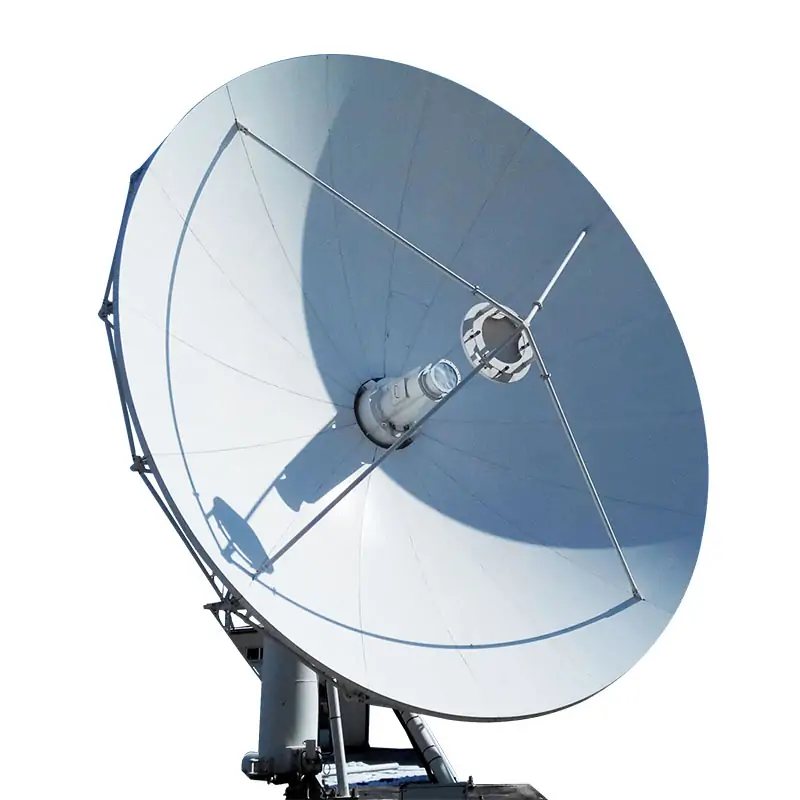
Earth-station antennas
For a fixed installation, specify reflector configuration, mounting, operating bands and site requirements.

Flyaway antennas
Compare transport format, assembly requirements, reflector size and the required feed configuration.
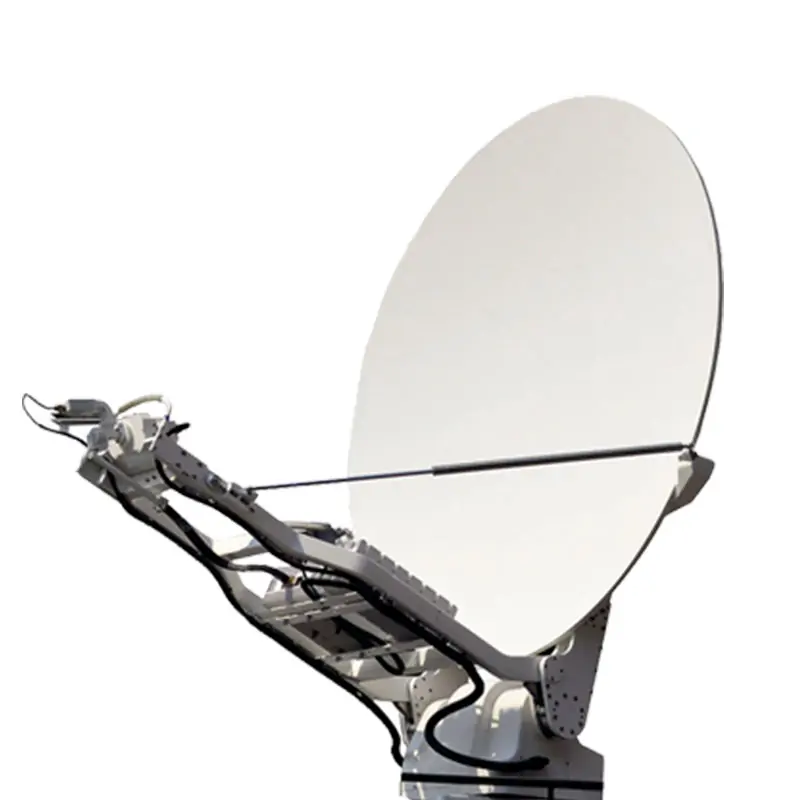
Vehicle-mounted antennas
Confirm vehicle mounting, stowed envelope, deployment clearance and controller interfaces.
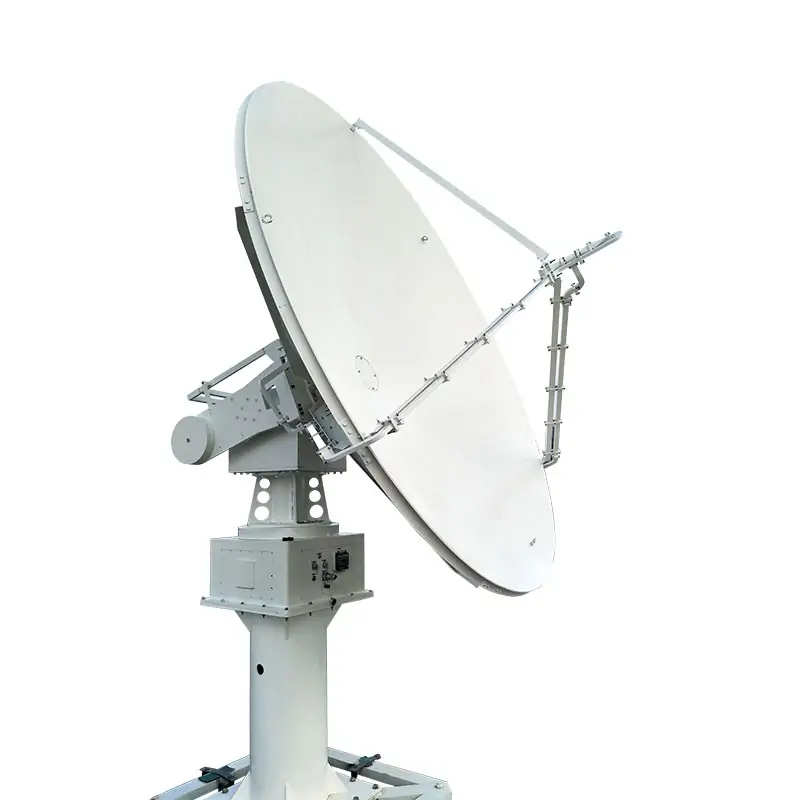
LEO / MEO tracking antennas
Specify the intended orbit, tracking method, controller and pointing requirements.

Antenna feeder networks
Define transmit and receive bands, polarization ports, filters and RF connections.
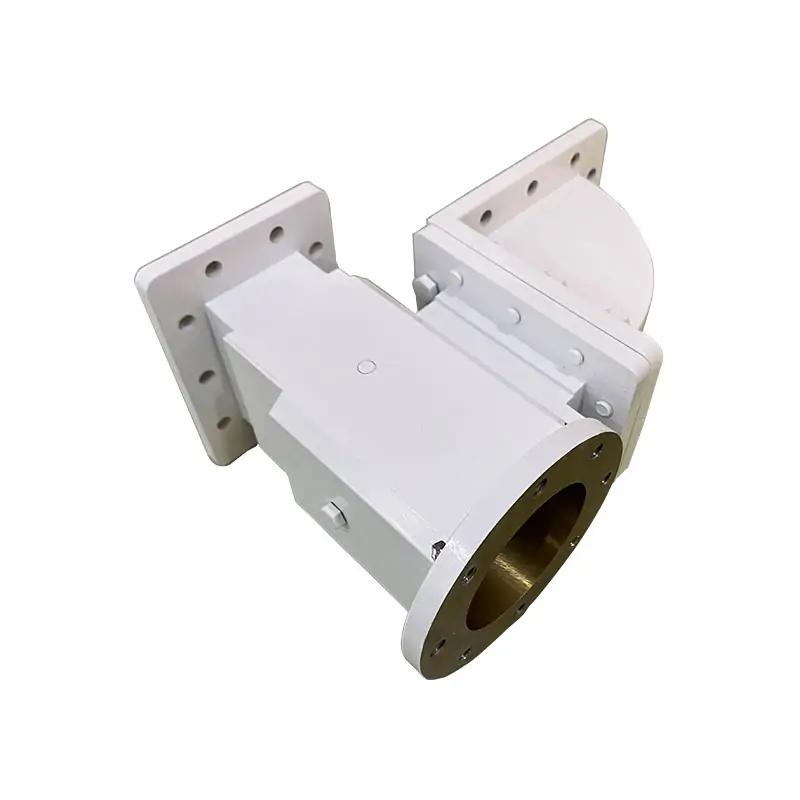
Orthomode transducers
Match the polarization arrangement, common port and separated RF ports to the antenna feed.
Provide the link and installation requirements
| Selection input | What to specify |
|---|---|
| Frequency | List receive and transmit bands separately, including any required dual-band operation. |
| Polarization | State linear or circular polarization, required ports and switching or adjustment needs. |
| RF interface | Identify feed flanges, BUC/LNB or transceiver interfaces and transmit power conditions. |
| Link performance | Provide the required gain, G/T or EIRP targets with the frequency and system boundary used for each requirement. |
| Deployment | Choose fixed, transportable or vehicle-mounted installation; specify stowed and operating envelopes. |
| Tracking and site | Define stationary pointing or tracking, controller integration, site environment and required acceptance tests. |
Separate antenna data from complete-system performance
Reflector diameter alone does not establish a complete link specification. Review the antenna, feed, losses, receiver and transmitter assumptions together when defining G/T or EIRP targets.
Receive and transmit configurations can use different feed paths and power limits. The custom antenna-feed systems page identifies the interface information needed for a feed-network review.
A transportable antenna is not automatically rated to transmit while the vehicle moves. For deployment and mounting questions, compare quick-deploy and vehicle-mounted antennas and request the operating mode for the selected model.
Questions before you specify the hardware
Can I select an antenna only by dish size?
No. Confirm the band, polarization, RF interfaces, mounting and required link performance for the selected configuration.
What documents should accompany an RFQ?
Include the system specification, site or vehicle layout, RF interface drawings, controller requirements and required antenna test records.
Request a configuration review
Send receive and transmit bands, polarization, deployment type, RF interfaces, tracking requirements and quantity. Include the link targets and installation drawing if available.